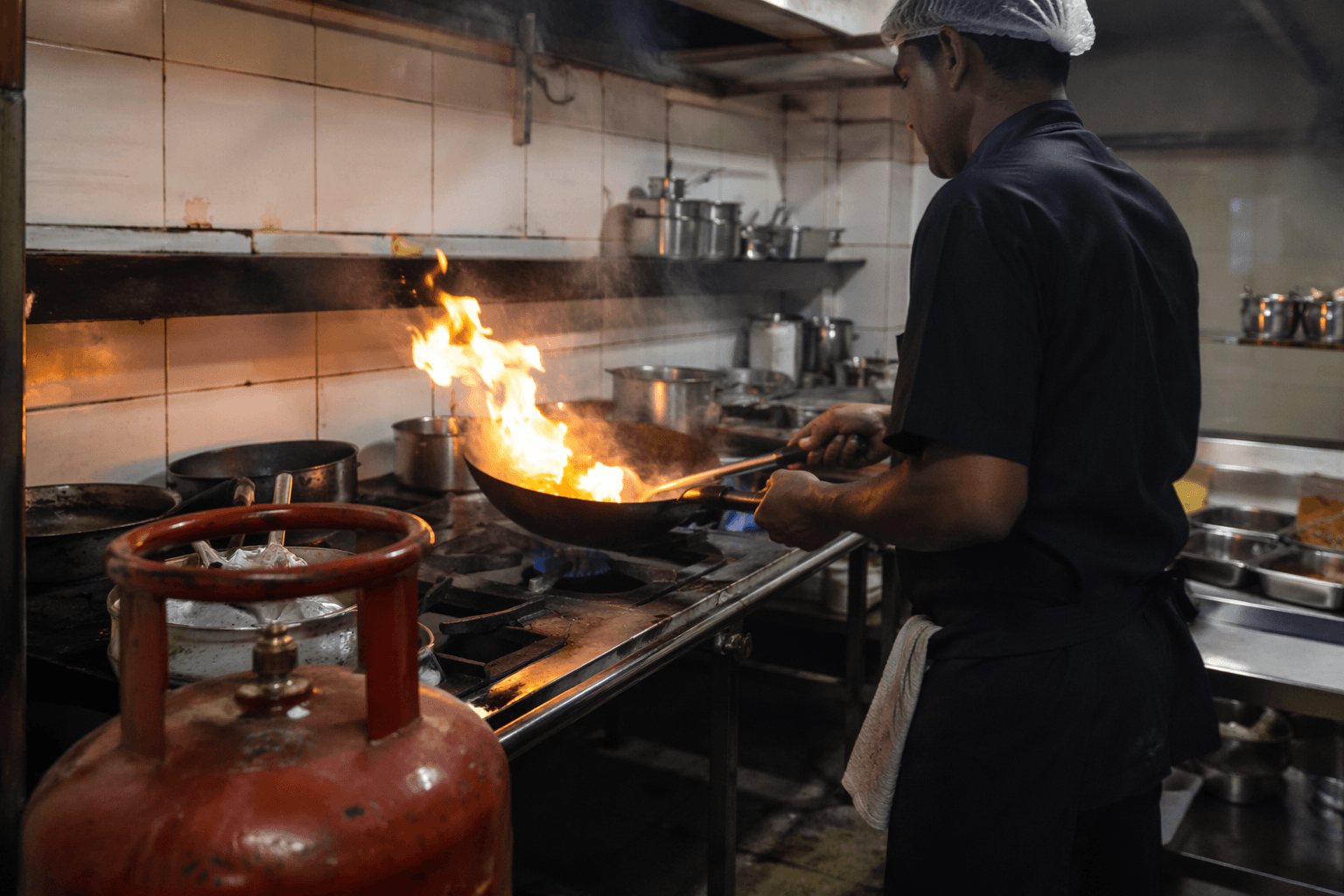
Los Angeles council advances delay to hotel worker wage hike
Los Angeles voted 9-6 to slow a hotel wage hike to 2030, delaying a $30 floor that hotel kitchens, banquet staff and airport concessions were due to hit in 2028.
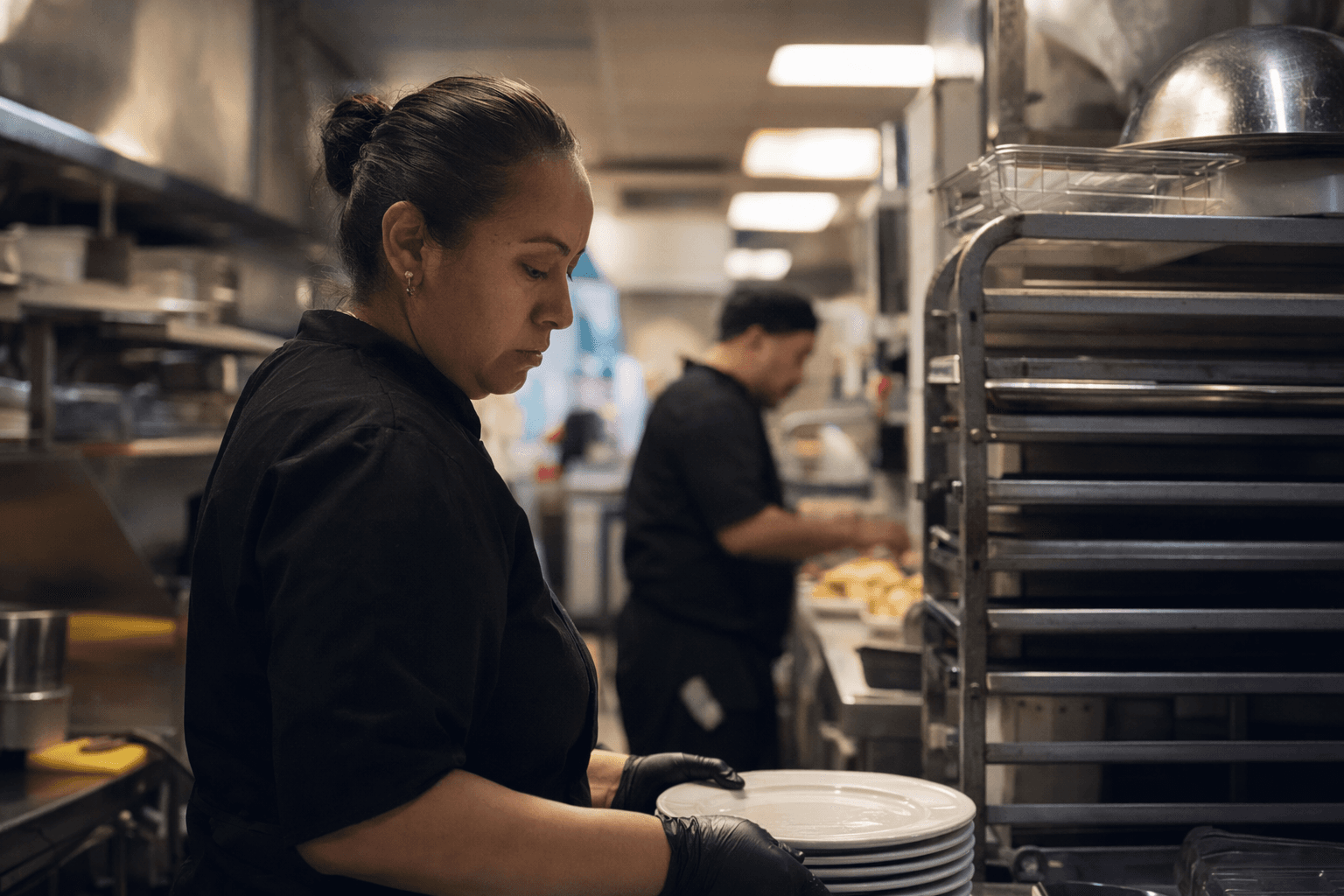
Los Angeles moved to slow a hotel wage hike that was supposed to reach $30 an hour by 2028, setting up a longer wait for workers in hotel kitchens, banquet halls and airport-facing food operations. On May 15, the City Council voted 9-6 to advance a proposal that would push the top rate to 2030 instead.
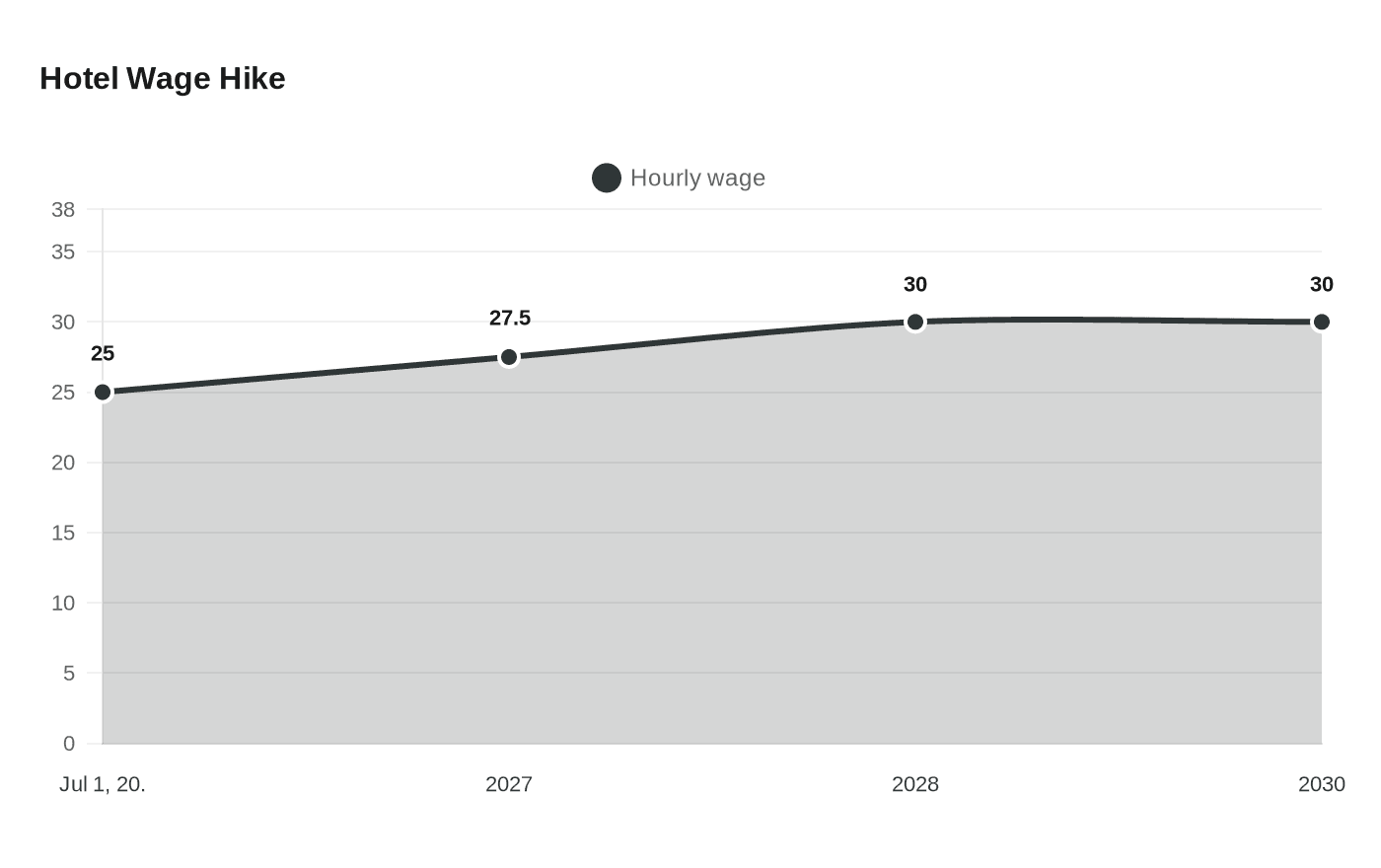
The difference is not cosmetic. Under the ordinance now on the books, hotel workers were set to make $25 an hour starting July 1, 2026, then $27.50 in 2027 and $30 in 2028. The new proposal would keep that final step from landing until 2030, buying employers two extra years before the highest wage tier kicks in. The city’s hotel wage materials also say that beginning July 1, 2026, employers that do not provide health coverage must pay an $8.15-per-hour health benefit rate instead. The ordinance applies to hotels with 60 or more guest rooms.
For workers, that means delayed income at the top end of the scale. For operators, especially those running hotel restaurants, banquet kitchens, room service and airport concessions, it means more time to absorb higher labor costs in a business where staffing, scheduling and menu labor are already tight. In practice, a slower wage ramp can shape how many hours are offered, how quickly open positions are filled and how much pressure managers feel to stretch fewer employees across more stations.

The fight sits inside a bigger political bargain. The wage plan was approved last year as part of the city’s so-called Olympic wage policy, tied to the 2028 Games, but the delay effort is now linked to a business-backed push to repeal Los Angeles’ gross receipts tax. Business groups submitted more than 79,300 signatures in February to qualify the repeal for the November 2026 ballot, and supporters of the delay say the city is trying to avoid the blowback from a successful tax fight that could strip away $742 million to $800 million a year.
The council split reflected that pressure. The six dissenters were Eunisses Hernandez, Ysabel Jurado, Nithya Raman, Hugo Soto-Martinez, Curren Price and Katy Yaroslavsky. Council President Marqueece Harris-Dawson introduced the ordinance as part of the scramble to keep negotiations alive while protecting city finances.
For restaurant workers inside hotels and at LAX, the message is blunt: wage politics in Los Angeles is no longer just about how fast pay rises, but how much delay employers and elected officials can impose before labor costs finally land on the paycheck.
This article was produced by Prism’s automated news system from verified source data, official records, and press releases, then run through automated quality and moderation checks before publishing. The system is built and supervised by the people who set the standards it runs under. Read our full AI policy.
Did this article answer your question?