Jollibee plans rapid U.S. expansion to 500 locations by 2030
Jollibee outlined a plan to grow from about 107 U.S. locations to 500 by 2030, signaling major hiring and training needs for hourly and management roles. Expansion matters for local labor markets and franchise operations.
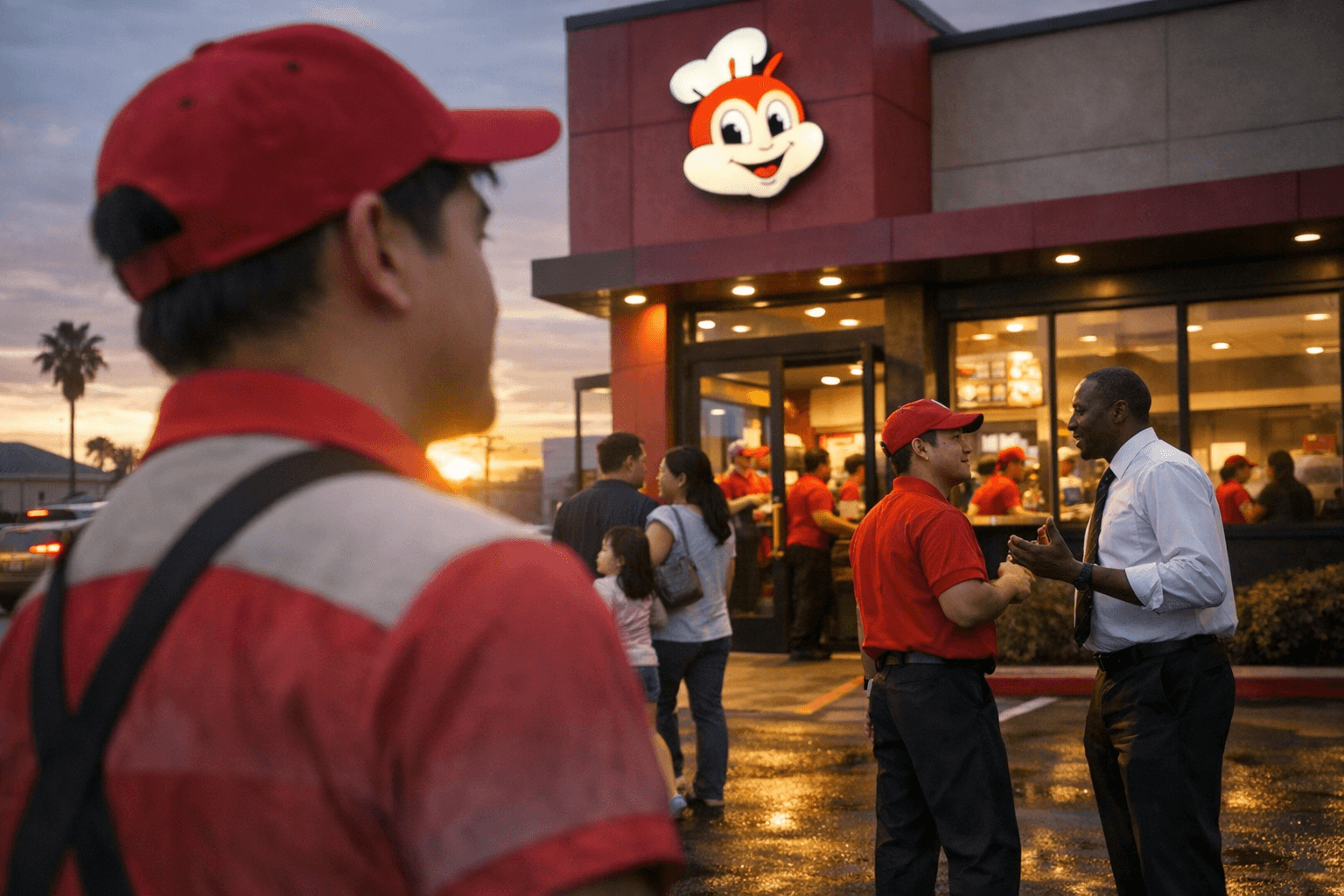
Jollibee has laid out an aggressive U.S. growth plan that would lift its footprint from roughly 107 locations to about 500 by 2030, reshaping hiring and operational demands across the quick-service sector. The company said it will pursue a mix of franchised and company-owned units, with a strategic focus on the New York tristate area, Florida, Texas and the West Coast.
Announced January 13, 2026, the rollout includes a newly launched franchising portal and a hiring push for franchise business consultants to support development and day-to-day franchise operations. The chain is actively seeking franchisees with prior quick-service chicken experience or multi-unit management backgrounds, signaling a selective approach to partner recruitment rather than an open-arms model for any investor.
For restaurant workers and managers, the plan translates into significant job creation across front-of-house and back-of-house roles. Growth of this scale requires recruitment for crew, shift leads and assistant managers at individual units, as well as expanded franchise support staff devoted to training, field operations and compliance. Expect hiring waves in hourly positions followed by ramped-up searches for multi-unit general managers and area developers who can carry consistent unit economics and service standards across regions.
The scale-up raises operational questions familiar to operators: Can hiring pipelines keep pace with unit openings? Will training capacity and onboarding systems be beefed up to reduce time-to-competence for new crew? How will labor scheduling be managed across higher-turnover markets, particularly in dense metro areas where workforce competition is already tight? Rapid franchised growth can amplify variability in pay, benefits and workplace culture if corporate oversight and franchisee selection standards are not tightly enforced.
Jollibee’s growth play leans heavily on brand awareness built through social channels and community demand rather than pure discounting, a tactic that has driven strong traffic in immigrant and mainstream markets. Internally, the company is planning longer-term structural moves that could include corporate spin-offs and future public listings, indicating that this U.S. expansion is part of a broader strategy to boost valuation and operational scale.
For restaurants and workers, the near-term impact is concrete: new jobs, expanded management opportunities and increased demand for experienced multi-unit operators. The longer-term outcome will hinge on how rigorously franchise standards, training programs and field support are deployed across thousands of new hires and hundreds of new units. Employers and potential franchisees should be preparing recruiting pipelines, structured training curricula and robust scheduling systems to ensure growth does not outpace operational readiness.
Know something we missed? Have a correction or additional information?
Submit a Tip