Krispy Kreme Sells 23 California, Hawaii Shops, Shifting Workers to New Employer
A $90 million deal shifted 23 Krispy Kreme shops in California and Hawaii to WKS Restaurant Group, quietly changing the employer of record for shop-level workers.
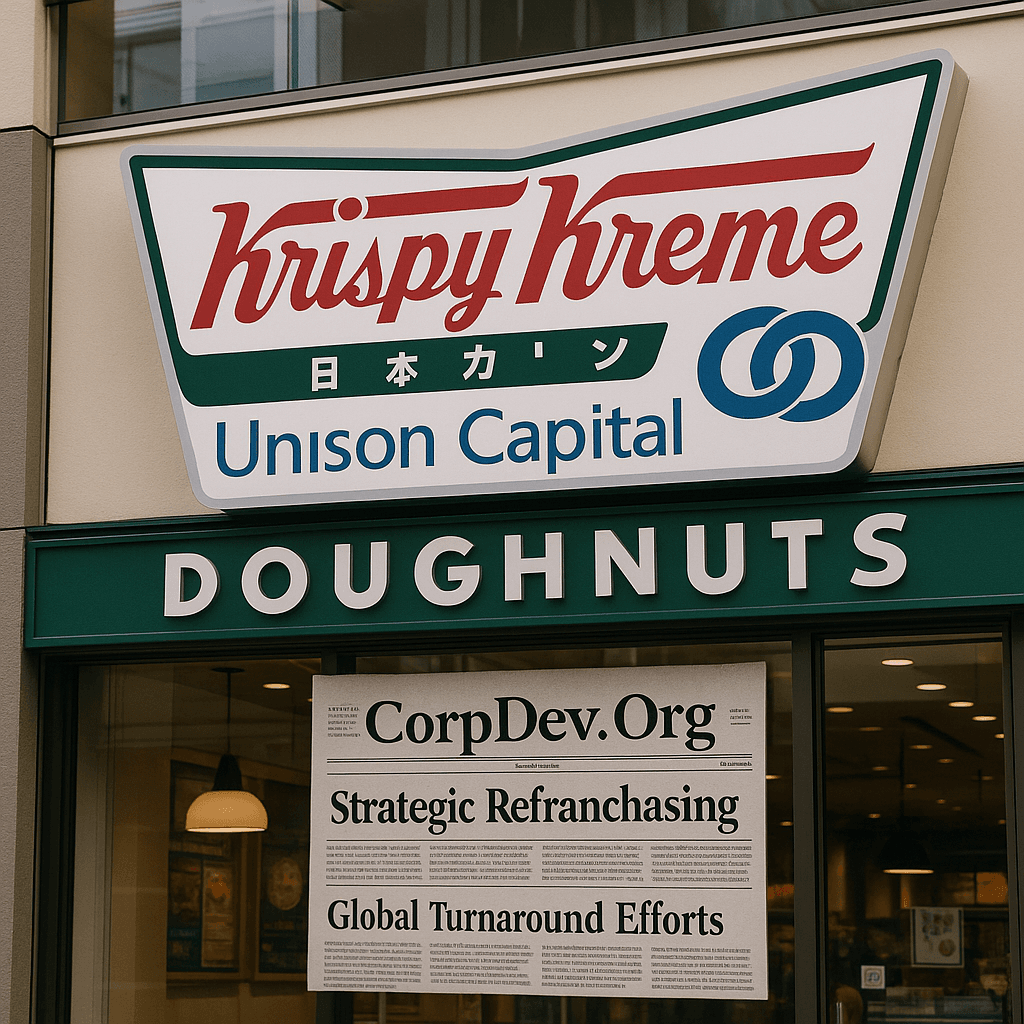
Twenty-three Krispy Kreme shops across California and Hawaii changed hands last week when the company closed a roughly $90 million refranchising deal with WKS Restaurant Group, shifting the employer of record for hundreds of shop-level workers in the process.
The transaction, completed between March 23 and 25, bumped WKS Restaurant Group's stake in a Western U.S. joint venture from 45% to 80%, handing the operator majority control over the converted stores. For workers clocking in at those locations, what looked like executive-level financial engineering landed squarely in the HR department.
Krispy Kreme framed the deal as part of a capital-light growth strategy, using the proceeds to pay down corporate debt while transferring day-to-day operations of the 23 shops to a joint-venture partner with a now-dominant ownership stake. The company said the approach allows it to concentrate on brand management, supply chain, and network expansion rather than direct store operations. WKS, which already held a minority position in the venture, said the increased ownership strengthens its commitment to growing the Krispy Kreme brand across the Western U.S.
What the deal announcement doesn't address is the immediate reality for shift workers and managers at those 23 locations. Refranchising transactions often preserve hourly pay and schedules in the short term, but the longer arc can look different. Health benefits, retirement access, paid time off accruals, and scheduling policies are all governed by whoever signs the paychecks, and with WKS now the majority operator in the joint venture, those decisions belong to a different corporate entity than the one that originally hired many of these workers.

For assistant managers and shift leads, the transition carries additional weight. New majority operators typically introduce revised performance targets, updated operating guidelines, and sometimes a different management culture than the company-owned environment workers had grown accustomed to.
Anyone on the affected payroll should request written confirmation of employment terms: whether pay rates transfer intact, how accrued PTO will be handled, and what happens to current healthcare elections during the changeover. California and Hawaii both have worker-protection statutes that may be relevant depending on how the transition is structured, and state labor offices can clarify rights if discrepancies surface. Krispy Kreme's Form 8-K filing contains the formal financial specifics of the deal, and a labor advocate or HR representative can help workers parse what the transition terms mean in practice.
The move fits a pattern running across quick-service: chains under balance-sheet pressure monetize company-operated stores through franchised or joint-venture arrangements, preserving brand presence without the capital weight of direct ownership. For the workers inside those shops, the question was never whether the doughnuts keep getting made. It's who is accountable for the people making them.
This article was produced by Prism’s automated news system from verified source data, official records, and press releases, then run through automated quality and moderation checks before publishing. The system is built and supervised by the people who set the standards it runs under. Read our full AI policy.
Did this article answer your question?