Large Subway Franchisee MTF Enterprises Files Chapter 11 After MCA Liens
MTF Enterprises filed chapter 11 after merchant-cash-advance lenders asserted liens on credit-card receipts, putting payroll and store stability at risk.
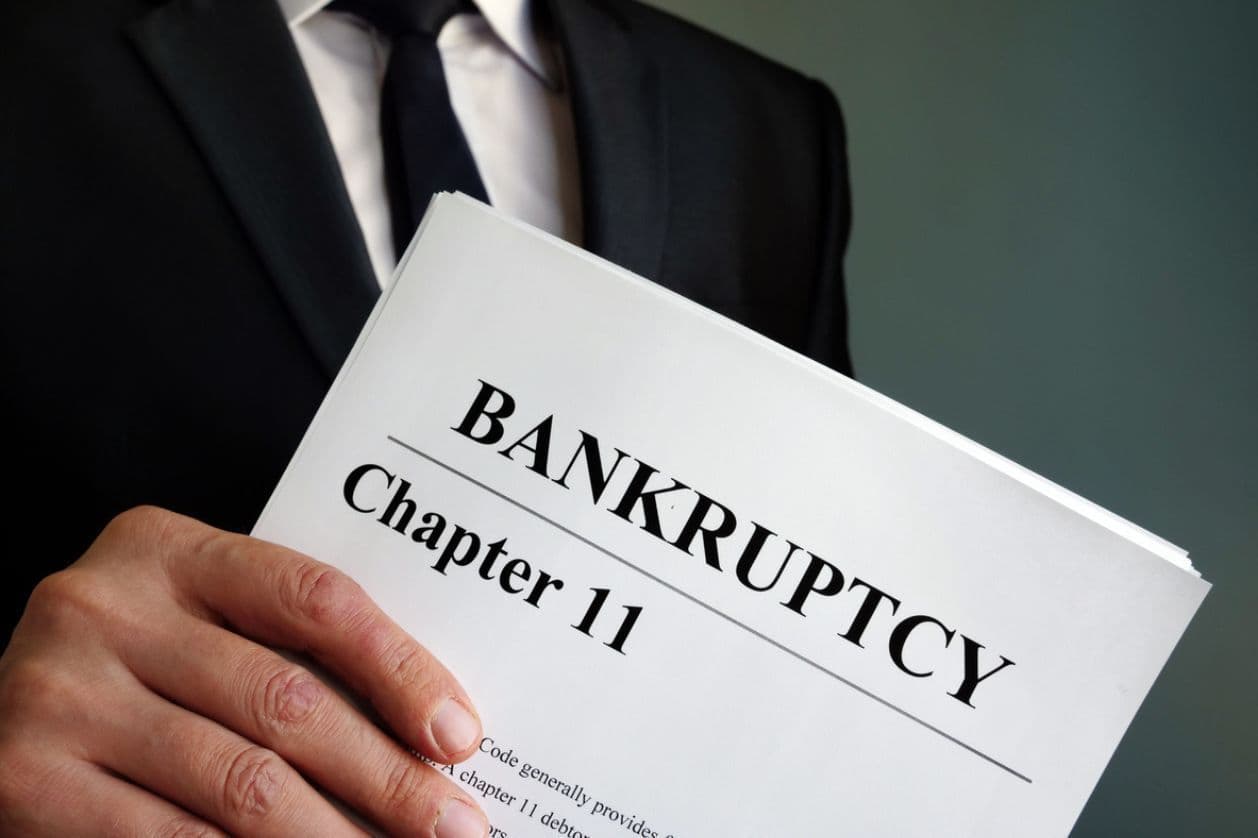
MTF Enterprises, a Lancaster, Pennsylvania-based Subway franchise operator, has filed for chapter 11 bankruptcy protection after merchant-cash-advance lenders sent lien notices to payment processors, court filings show. The company says aggressive repayment terms on MCA financing drained cash flow and prompted the restructuring move, a development that directly affects restaurant staff who rely on steady payroll and tips.
The bankruptcy petition, filed Jan. 21, 2026 in the U.S. Bankruptcy Court for the Eastern District of Pennsylvania, is listed as MTF Enterprises, LLC, Case No. 26-10237 and is assigned to Judge Patricia M. Mayer. Initial schedules in the filing list assets in the range of $500,000 to $1,000,000 and liabilities between about $1,000,000 and $10,000,000. The filing also seeks joint administration for related affiliates, including a Mid-Atlantic childcare operation that the company owns.
Court documents indicate MTF operates 43 Subway locations across Pennsylvania, Maine, New Hampshire and Virginia. One widely circulated report cited 45 locations and roughly 400 employees; that headcount is not reflected in the court schedules available at filing and remains unverified. The company’s filings also identify a mix of outstanding obligations, including $2.3 million in loans and equipment leases and $761,000 in SBA loans, while MTF states that it took out roughly $1.4 million in merchant-cash-advance financing last year that exacerbated cashflow problems.
According to the bankruptcy record, MCA lenders began pressing the company in the fall. In October a lender sent a notice to Stripe claiming default and asserting a lien on sales receipts, and in December similar notices were sent to Block and to American Express. Those lender actions targeted the processors that handle daily credit-card receipts, creating an immediate threat to the cash available to run stores and meet payroll. Owner Michael Fay told the court the “continued cash drain” from these cash-advance repayments was a key factor driving the insolvency.

MTF said it intends to continue operating its Subway restaurants “as usual” while it develops a reorganization plan. Maintaining open stores will be central to preserving revenue and jobs, but the mechanics of MCA repayment and processor liens complicate day-to-day operations by increasing the risk of funds being seized or delayed.
For workers, the filing introduces uncertainty around pay cycles, tip distribution and scheduling. Payroll disruptions can occur if merchant funds are withheld; managers and employees should watch for notices from store leadership about any changes to payroll processing. For the broader franchise community, the case underscores how MCA products - which require frequent draws on future sales and can strain cash flow - have contributed to recent franchisee bankruptcies.
Next steps will include scrutiny of the bankruptcy schedules for creditor names and claim amounts, and monitoring whether processors or lenders take further collection actions. The docket in the Eastern District of Pennsylvania will also show how MTF plans to handle leases, payroll obligations and the childcare affiliates as the case moves forward.
This article was produced by Prism’s automated news system from verified source data, official records, and press releases, then run through automated quality and moderation checks before publishing. The system is built and supervised by the people who set the standards it runs under. Read our full AI policy.
Did this article answer your question?