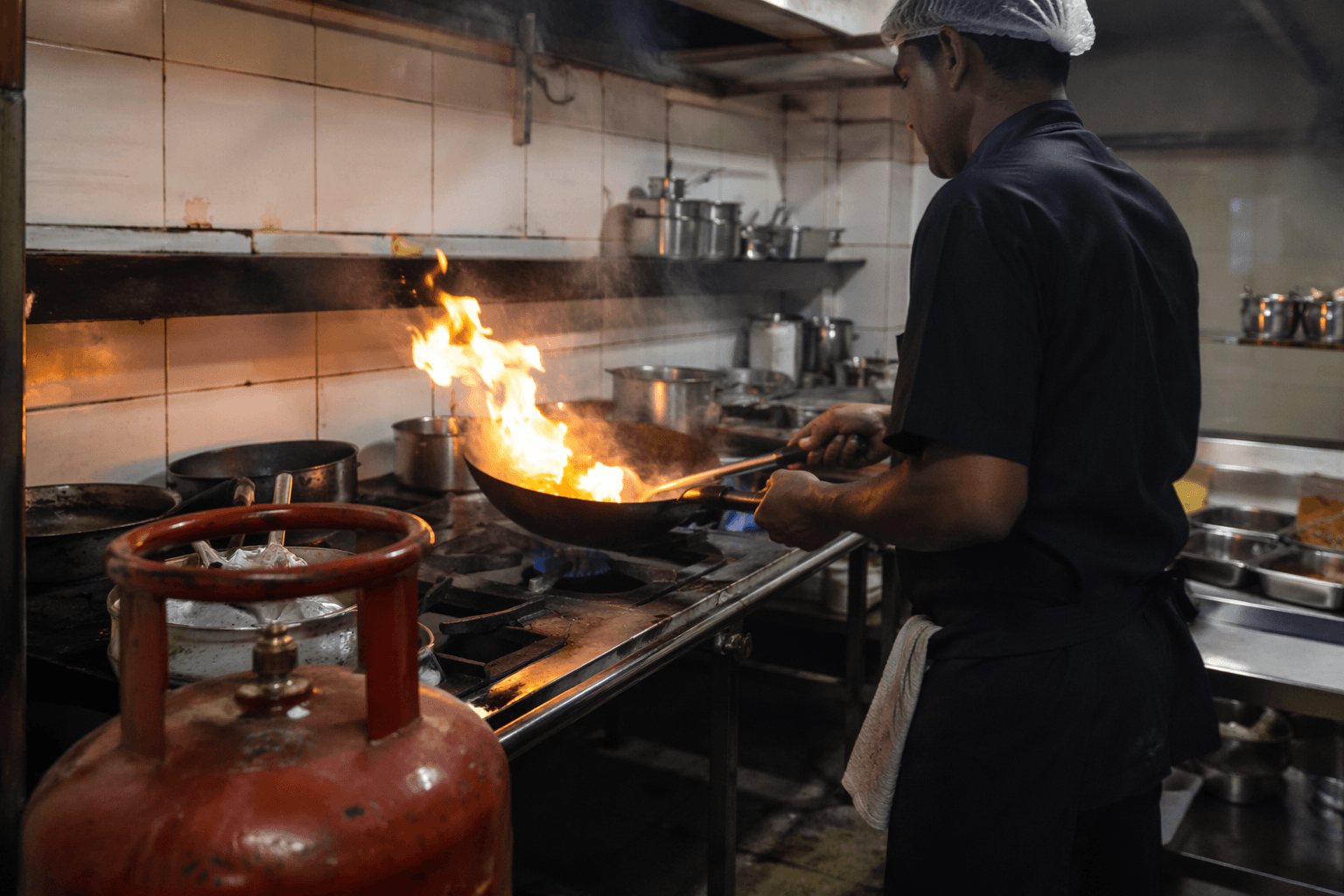
Lower Hutt Restaurant Fined Over NZ$170,000 for Exploiting Migrant Workers
A Lower Hutt restaurant pleaded guilty to exploiting two Indian migrants over four years, paying for 36.5 hours on weeks that ran to 54. The tab: NZ$170,000+.
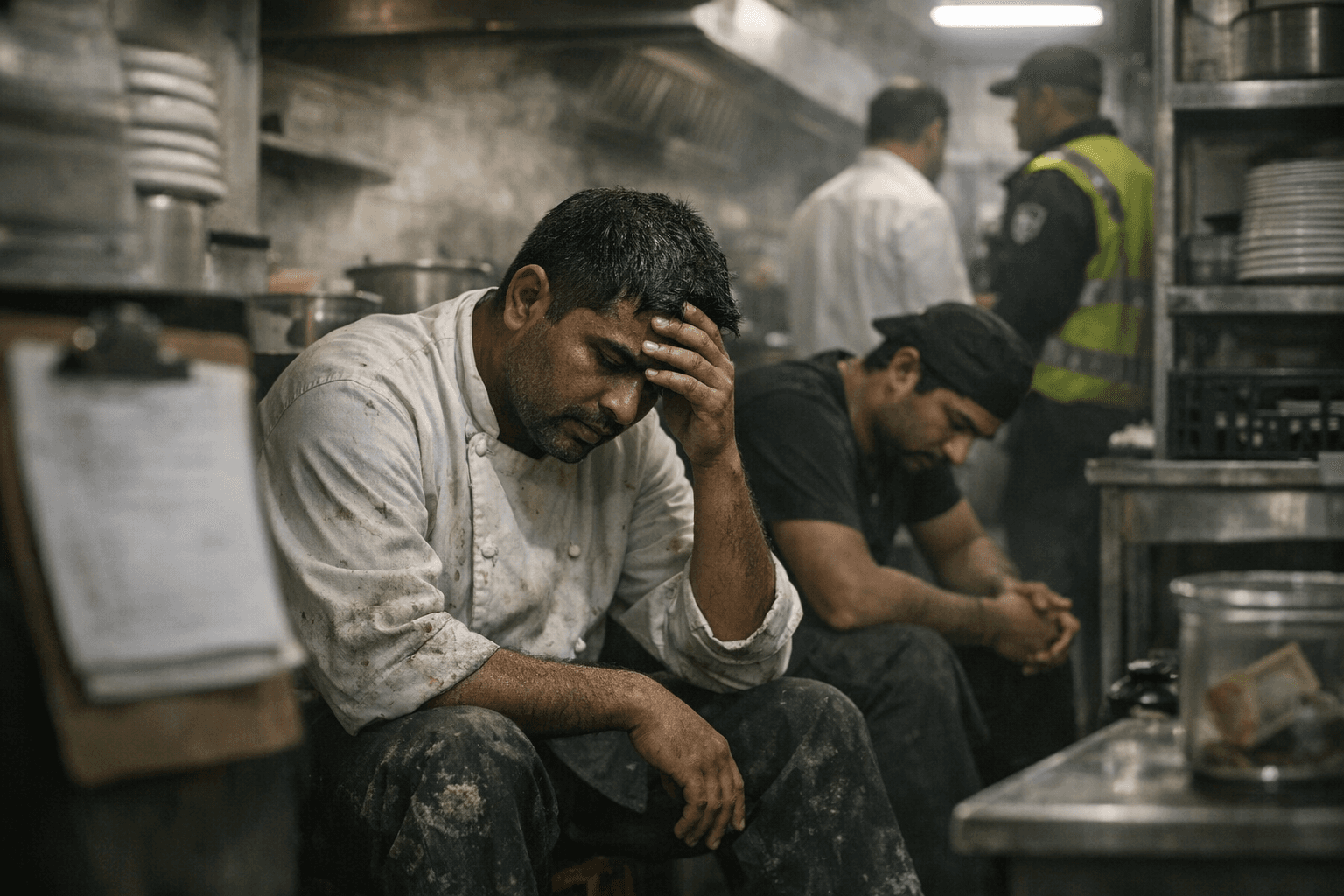
Two Indian nationals on temporary work visas were reporting six days a week to a Lower Hutt restaurant, clocking as many as 54 hours, and leaving with paychecks that covered only 36.5 of them. Wellington District Court sentenced the restaurant last month after it pleaded guilty to representative charges under the Immigration Act 2009, ordering a combined penalty and reparations package exceeding NZ$170,000.
The breakdown: a NZ$90,000 fine, reparations of NZ$55,936.40 directly to the two workers, and a further NZ$25,926.47 ordered to Inland Revenue. The Ministry of Business, Innovation and Employment calculated that the workers were owed more than NZ$72,000 in unpaid wages, holiday pay, and sick leave accumulated across roughly four years of what investigators described as a "consistent pattern" of exploitation.
Among the specific conduct documented: the employer deducted NZ$50 weekly from a worker's pay for food while simultaneously claiming to have raised hourly rates to meet visa-related wage requirements. MBIE identified that arrangement as unlawful and noted it served a precise function, manufacturing paper compliance with immigration pay thresholds while continuing to suppress actual take-home wages.
MBIE investigator Jason Perry did not soften the agency's position. "Exploitation is not a business model; it is unlawful, harmful, and taken seriously," Perry said. His office underscored that immigration status carries no bearing on a worker's entitlement to wages for every hour logged.
The investigation began because the two workers reported their treatment. That act set off the formal inquiry, the guilty plea, and the court's financial order.
This case also outlines the exact paper trail that exposed the employer: a schedule showing 54-hour weeks, pay records reflecting 36.5-hour payments, and a documented weekly food deduction that investigators could quantify and call unlawful. Any kitchen where scheduled hours and paid hours consistently diverge is sitting on the same set of documents, and as this ruling confirms, so are the people who regulate it.
This article was produced by Prism’s automated news system from verified source data, official records, and press releases, then run through automated quality and moderation checks before publishing. The system is built and supervised by the people who set the standards it runs under. Read our full AI policy.
Did this article answer your question?