New Jersey Law Requires Restaurants to Reduce Food Waste 50% by 2035
New Jersey passed a law requiring a 50% reduction in food waste by 2035, forcing restaurants to change back-of-house operations and build partnerships for diversion.
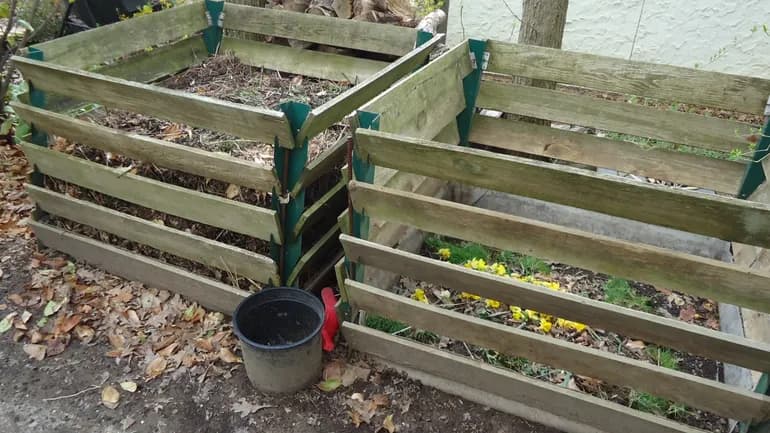
New Jersey lawmakers enacted a law directing solid waste districts to draft plans that cut food waste 50% by 2035 and ordering the New Jersey Department of Environmental Protection (DEP) to create a tiered regulatory framework for composting facilities. For restaurants and other foodservice operators, the law elevates organics recycling, clarifies permitting pathways for smaller composters, and explicitly includes post-consumer food waste in the statutory definition of organics, changes that will reshuffle kitchen workflows and compliance duties.
Published Jan. 21, 2026, the statute gives solid waste districts the primary planning role for meeting the 2035 target while DEP must adopt rules that distinguish regulatory requirements for different sizes and types of composters. The change is designed to expand the market for organics recyclers and to make it easier for smaller composting operations to obtain permits, which state officials say will widen diversion options for generators such as restaurants, caterers, and food halls.
Permissible compliance strategies under the new law include donation of edible surplus, contracting with anaerobic digestion facilities, and composting through permitted organics recyclers. By adding post-consumer food waste to the legal definition, the law potentially increases regulatory compliance and diversion obligations for restaurants that previously focused only on preconsumer scraps. That shift will require many operators to measure and document diverted tonnage and to demonstrate active diversion or partnership programs to their local solid waste district.
Operationally, kitchens should expect concrete changes in daily routines. Line cooks and prep cooks will need new sorting protocols at prep stations, managers will coordinate additional pickups or deliveries to digesters and composters, and back-of-house storage will require more capacity and odor control. Smaller restaurants with tight kitchen footprints may need to partner with centralized composting services or join municipal collection programs to meet obligations without sacrificing production flow. Payroll and scheduling could be affected as staff spend time on separation duties, and some operators may create new roles such as sustainability coordinators or designate waste champions among shift leads.
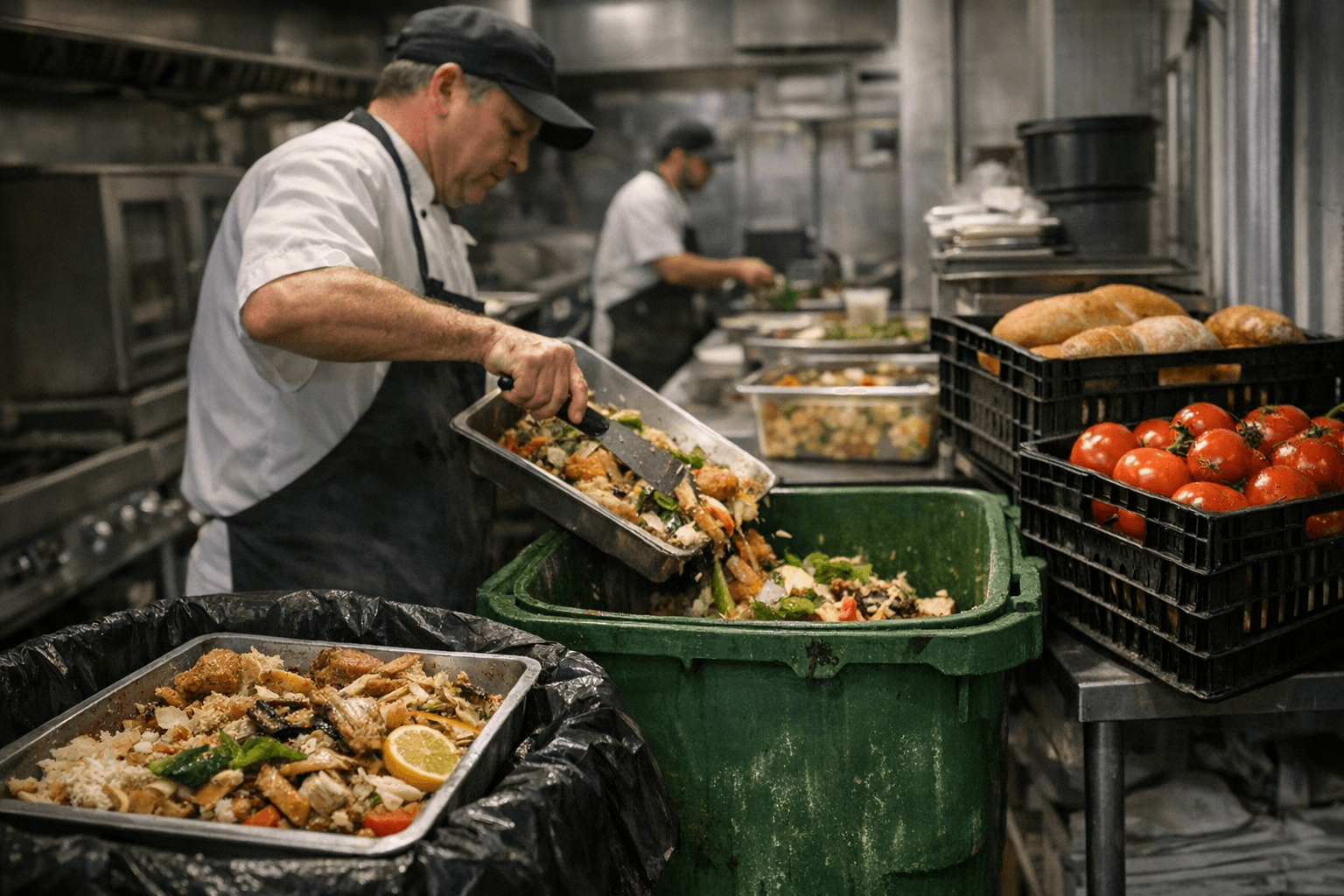
Financial impacts will vary. Some restaurants may face higher short-term costs for bins, signage, and hauling fees, while others could lower disposal bills and tap donation channels to retain value from surplus food. The law also opens potential new revenue streams for local organics recyclers and anaerobic digesters, which could translate into service options for foodservice operators.
Restaurants and foodservice managers should monitor DEP rulemaking and solid waste district plans as they become available. The law sets a clear 2035 deadline, and the months ahead will be about lining up diversion partners, revising kitchen workflows, and training staff to turn food waste from a disposal problem into a managed resource.
This article was produced by Prism’s automated news system from verified source data, official records, and press releases, then run through automated quality and moderation checks before publishing. The system is built and supervised by the people who set the standards it runs under. Read our full AI policy.
Did this article answer your question?