New NYC Restaurant Openings Drive Front- and Back-of-House Hiring Demand
New NYC restaurant openings increased demand for front-of-house and back-of-house staff, creating more hires and tighter competition for cooks, servers, and managers.
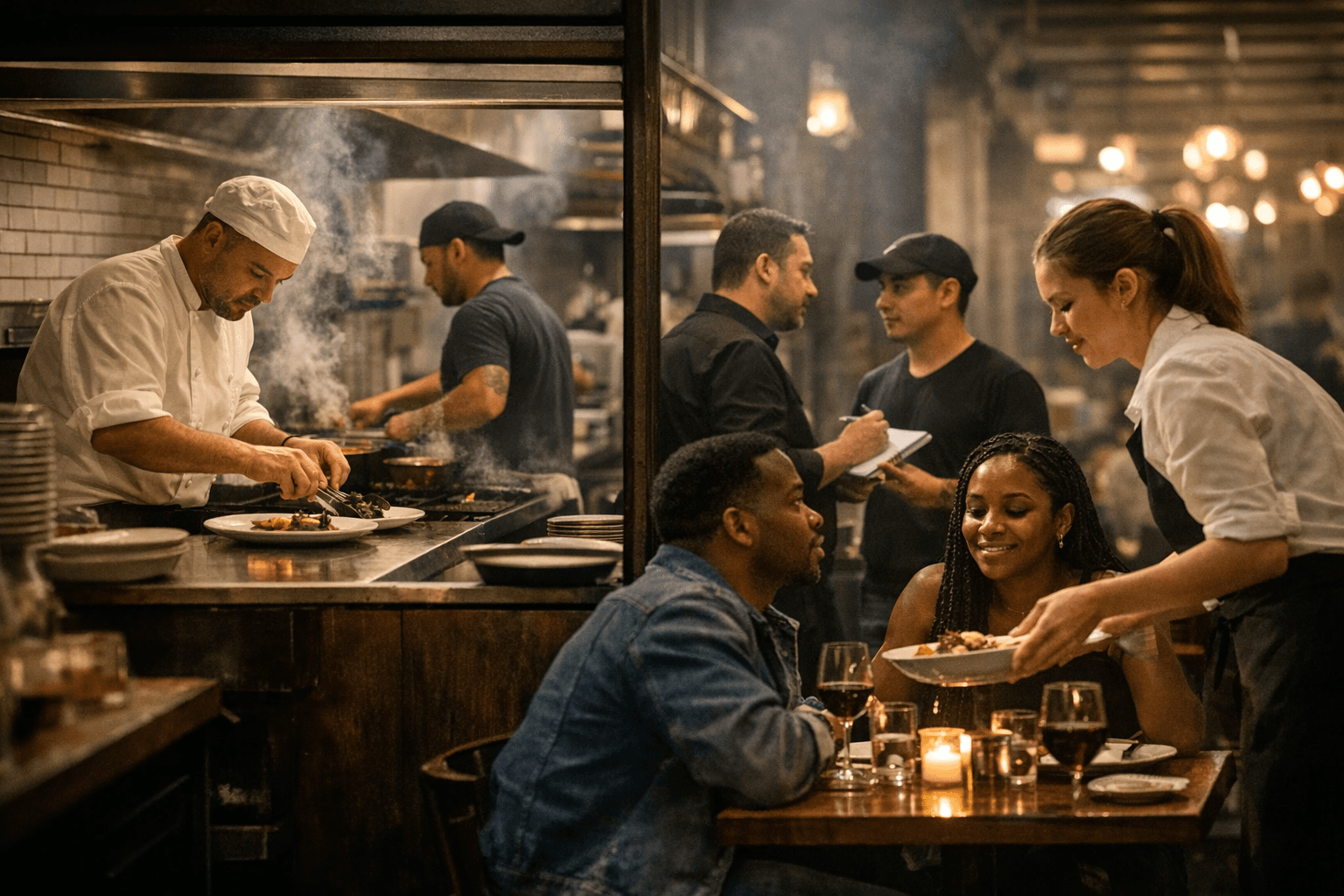
A wave of new restaurant openings across New York City for the week of January 21, 2026 intensified hiring demand for both front-of-house and back-of-house roles, reshaping local staffing flows and putting pressure on operators to fill lineups quickly. The industry update catalogued several new venues, operator moves, and kitchen builds tied to visible rounds of recruitment for servers, bartenders, hosts, line cooks, sous chefs, prep cooks, dishwashers, and managers.
Recruiting activity was most pronounced where kitchen builds finished and service-ready dining rooms opened. New entrants to the market advertised multiple positions at once, seeking experienced line cooks familiar with high-volume service and FOH staff comfortable with fast-paced shifts and ticket times. Operator moves, managers and chefs shifting between projects, also helped seed new teams, as operators recruited known supervisors and expeditors to accelerate openings.
For workers, the immediate effect is mixed. Job seekers face more opportunities and leverage to negotiate wages, shifts, and role responsibilities, especially in neighborhoods with a cluster of openings. Line cooks and sous chefs in particular can capitalize on demand for kitchen experience and plated execution. At the same time, tighter competition among operators can lead to shorter hiring timelines but also to higher expectations for on-the-job readiness, increasing the premium on skills like mise en place, pass management, and ticket flow.
For operators, the openings underscore challenges in forecasting labor needs and in building trained crews before rush service begins. Kitchen builds add another layer of complexity: bringing new equipment online requires line testing, menu runs, and training shifts that extend labor costs before revenue ramps up. Operators who rely on poaching experienced supervisors or hiring from a small local talent pool may face turnover risk if pay and scheduling do not match market offers.
The staffing shifts also affect workplace dynamics on service lines and in back-of-house culture. Rapid hiring cycles risk uneven skill mixes on the line, raising the need for structured onboarding and designated training shifts to prevent service breakdowns. Managers opening new venues must balance speed with staged competency checks to keep ticket times reasonable and food quality consistent.
Looking ahead, expect continued hiring pressure in neighborhoods seeing clusters of openings and for roles that directly influence service velocity, such as expeditors and experienced line cooks. Operators that invest in clear training plans, competitive pay, and predictable schedules will have an edge. For workers, the short-term market favors those who arrive with portable skills and a readiness to work during peak hours. Staffing, after all, remains the secret sauce of a successful opening, and the coming weeks will show which restaurants get the mix right.
Know something we missed? Have a correction or additional information?
Submit a Tip