NLRB Revives Starbucks Bargaining Hearing, Covering Hundreds of Unionized Cafes
The NLRB lifted a stay and revived a consolidated hearing covering alleged bargaining refusals at hundreds of unionized Starbucks locations.
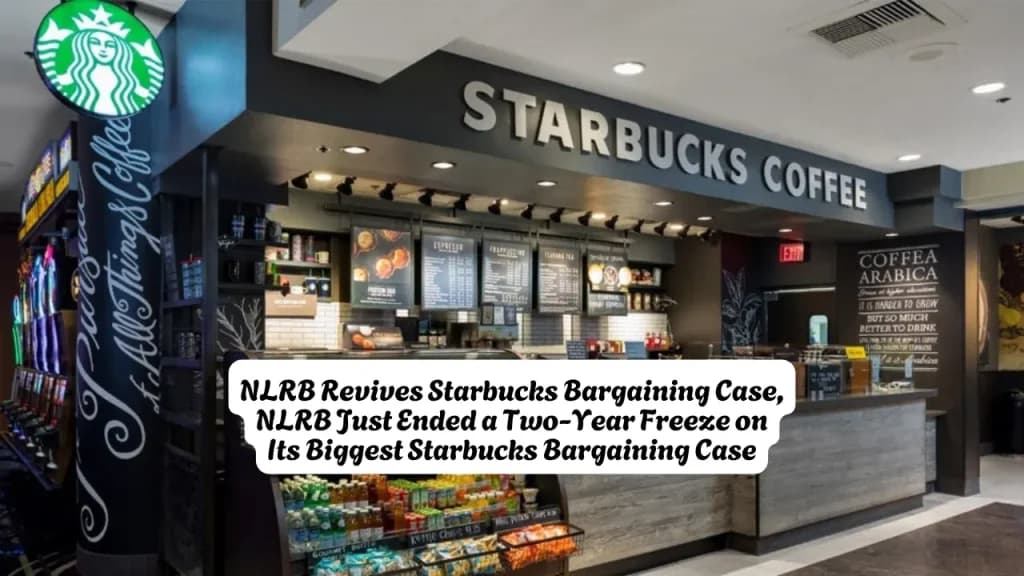
The National Labor Relations Board lifted a procedural stay on March 26 and directed a consolidated hearing to proceed in a sprawling set of unfair labor practice cases against Starbucks, reviving allegations that the company refused to bargain with Workers United across hundreds of unionized U.S. cafes.
The order restarts a proceeding that had been stalled at the administrative level, returning one of the most closely watched labor disputes in the restaurant sector to active adjudication. The consolidated case ties together bargaining conduct claims spanning multiple Starbucks locations, meaning whatever administrative law judges ultimately decide will carry weight far beyond any single cafe or market.
At the center of the hearing is whether Starbucks met its legal obligation to bargain in good faith with Workers United, which has organized stores across the country since a unionization wave began accelerating in late 2021. The Starbucks docket has already generated appellate litigation and produced mixed rulings across multiple federal circuits, making the revival of the consolidated proceeding another chapter in a legal fight with no clear end date.
The stakes for Workers United members go well beyond procedural wins. The Board is examining whether remedies in bargaining-related cases should extend past traditional back pay to broader make-whole relief, a question that could reshape how federal labor law enforces negotiating obligations against large, multi-state employers. An order requiring Starbucks to bargain, backed by substantive remedies, could translate into faster contract timelines at stores where workers have been waiting years for a first agreement.
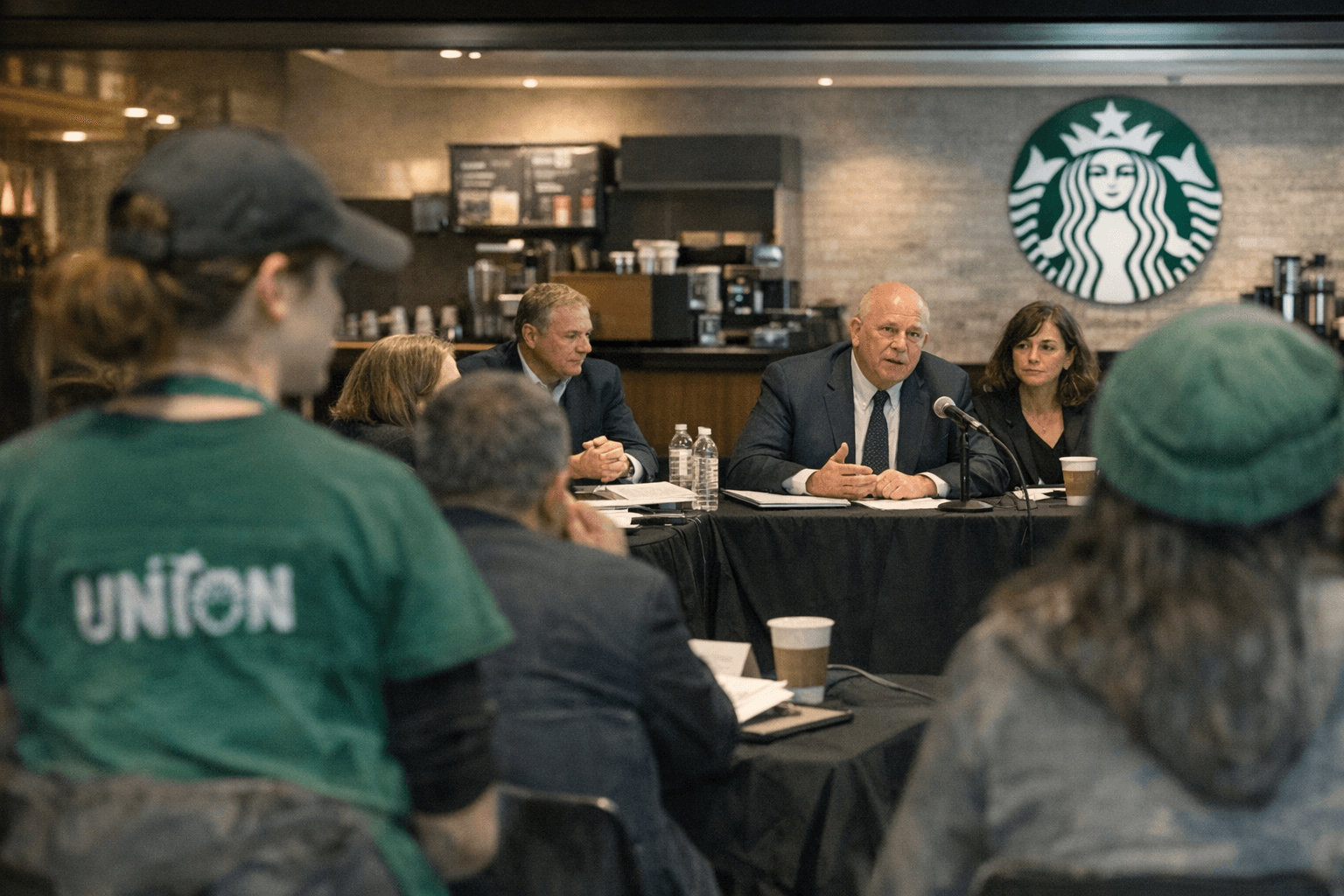
For store managers and corporate counsel, the decision to push the consolidated hearing forward intensifies the legal exposure tied to the company's existing bargaining posture. The administrative process ahead involves witness testimony, document production, and a multi-month adjudicative schedule before assigned administrative law judges issue recommended decisions.
Those decisions would then be subject to review by the full Board and, ultimately, federal appeals courts. But the practical significance of the March 26 order is that the proceeding is moving again, and the remedial framework it produces could set a template for how the Board approaches bargaining violations at national hospitality chains going forward.
This article was produced by Prism’s automated news system from verified source data, official records, and press releases, then run through automated quality and moderation checks before publishing. The system is built and supervised by the people who set the standards it runs under. Read our full AI policy.
Did this article answer your question?