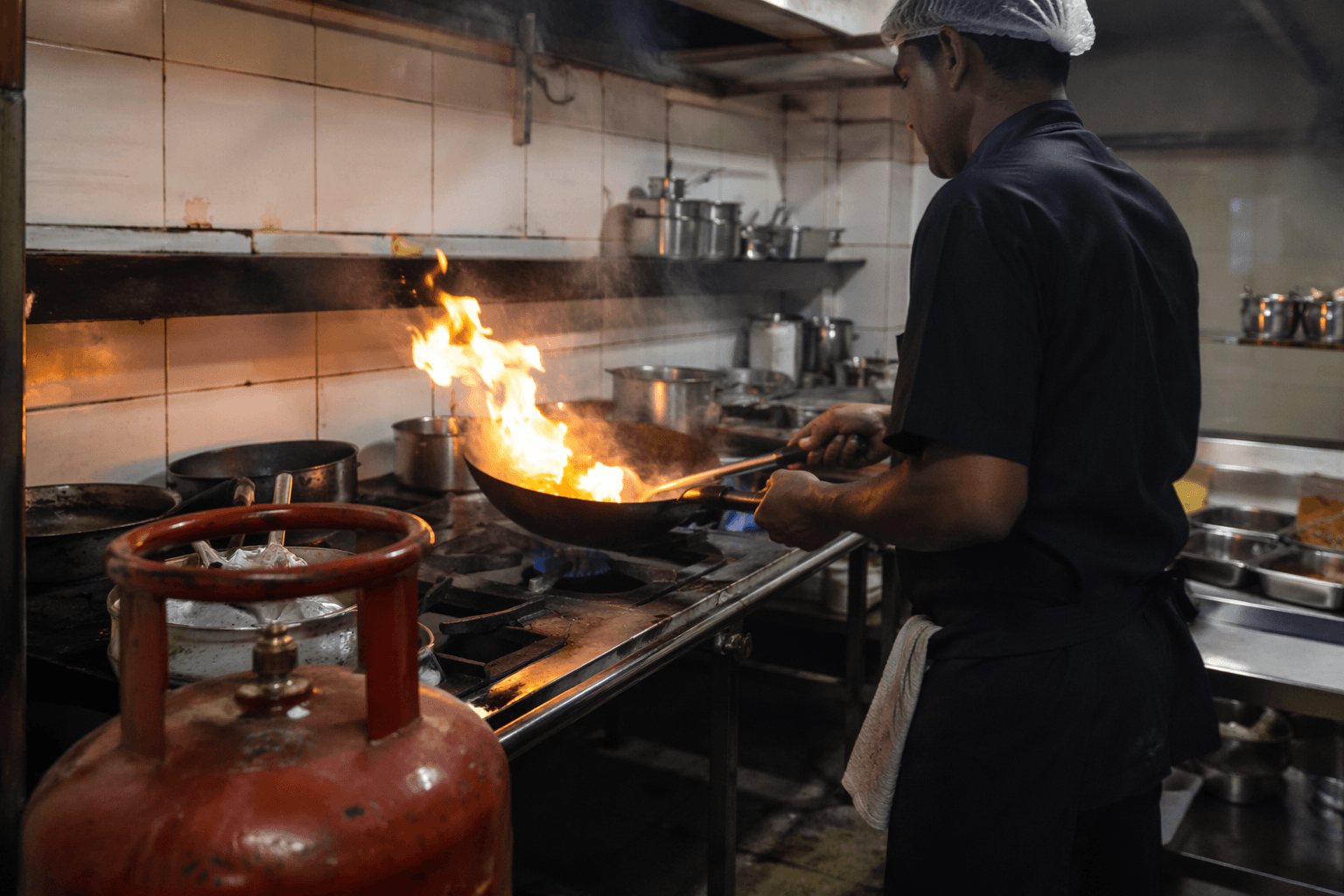
NYC Sues Motoclick Over Millions in Alleged Stolen Delivery Pay, Warns Platforms
New York City sued Motoclick for allegedly withholding delivery pay and charging unlawful fees, potentially owing drivers "millions". The city warned dozens of platforms as new rules take effect Jan. 26.

The New York City Department of Consumer and Worker Protection filed suit on Jan. 15 in New York State Supreme Court against Motoclick and its CEO, accusing the delivery app of widespread violations of the city’s Delivery Worker Laws. The complaint alleges Motoclick charged unlawful fees - including a reported $10 fee for canceled orders - deducted refunded-order costs from drivers’ pay, and failed to comply with the Minimum Pay Rate and tipping-transparency requirements. DCWP said the agency estimates Motoclick may owe workers "millions" in stolen pay and damages and asked the court to shut the company down.
City officials used the Motoclick case to launch a broader compliance push. At a press conference, Mayor Zohran Mamdani, Deputy Mayor Julie Su and DCWP Commissioner Sam Levine announced that DCWP had sent warning letters to roughly 60 platform companies, naming major apps such as DoorDash, Uber, Instacart and Grubhub. The letters reminded platforms that multiple amendments to the Delivery Worker Laws become effective Jan. 26, 2026, including requirements to offer tipping at checkout, provide itemized pay statements and extend minimum-pay protections to grocery delivery.
DCWP framed the action as both an enforcement priority and a warning: the agency said it will pursue fines, lawsuits and even license revocations for noncompliance. The agency’s release also referenced previous DCWP analysis that found app design choices have reduced tip earnings for delivery workers, a dynamic regulators say the new transparency rules are intended to address.
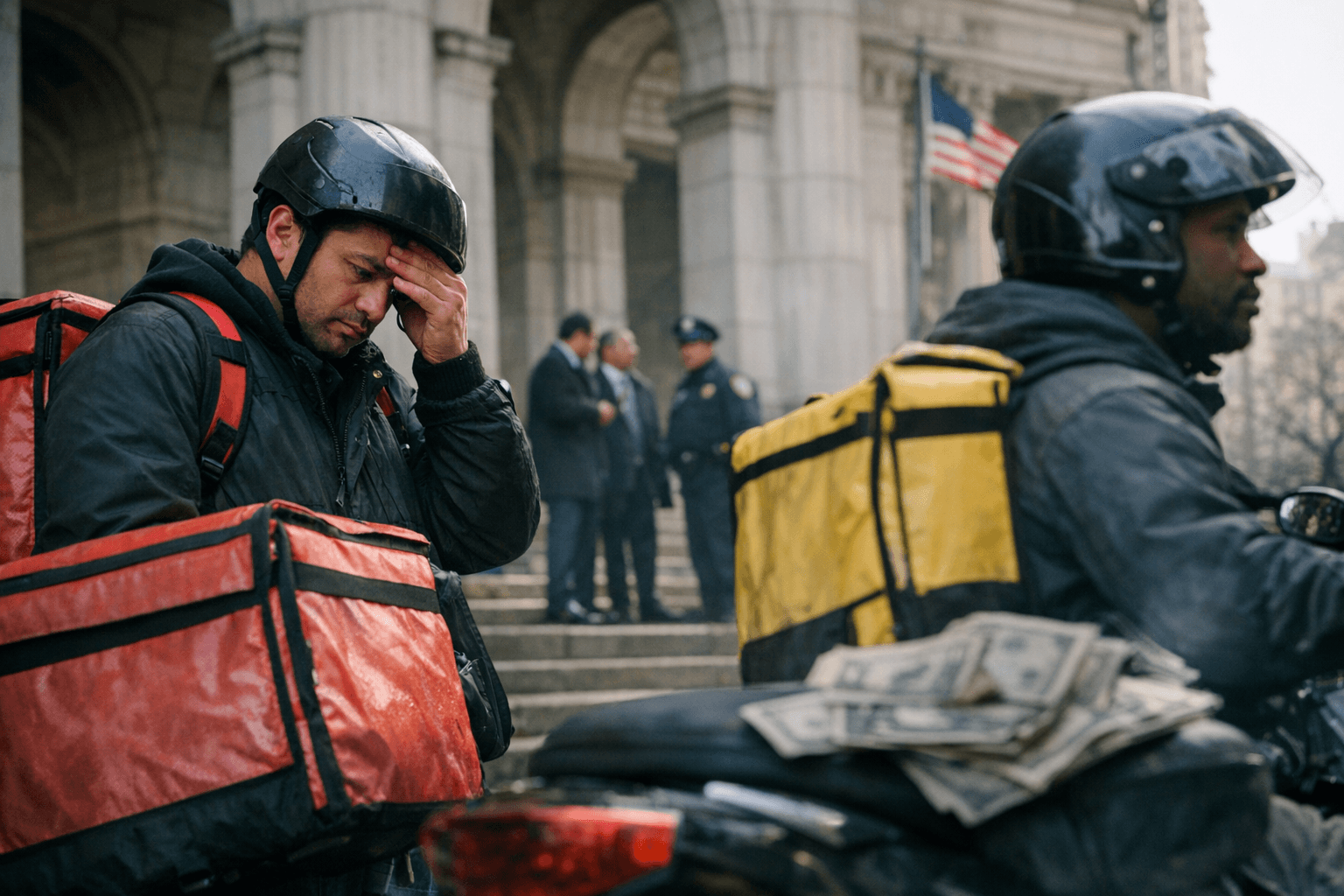
For delivery drivers and restaurant operators, the lawsuit and the compliance blitz raise immediate practical concerns. Drivers who experienced diminished tips, unexplained deductions or charges for canceled trips could be owed back pay and damages if DCWP prevails. Restaurants that contract with third-party apps may face operational knock-on effects if platforms change pay models, tighten fee structures or remove services to avoid enforcement exposure. Platforms will be under pressure to audit payment flows, update checkout interfaces to clearly offer tipping, and produce itemized pay statements that show how minimum-pay calculations and tips are handled.
The Motoclick case also signals a regulatory shift in how cities police gig-economy platforms. With amendments taking effect and enforcement tools on the table, app-based delivery companies face increased legal and reputational risk. For workers, the immediate step is to preserve records of pay statements, screenshots of app interfaces and communications about deductions or fees and to report suspected violations to DCWP. The lawsuit will likely play out in court, but the agency’s broader warning suggests more investigations and enforcement actions are likely in the months ahead.
This article was produced by Prism’s automated news system from verified source data, official records, and press releases, then run through automated quality and moderation checks before publishing. The system is built and supervised by the people who set the standards it runs under. Read our full AI policy.
Did this article answer your question?