OSHA warns restaurant fatigue raises injury, error risks on long shifts
Clopens and doubles can do more than exhaust a crew. OSHA says long, irregular shifts raise injury and error risks, and restaurants should treat scheduling as a safety control.

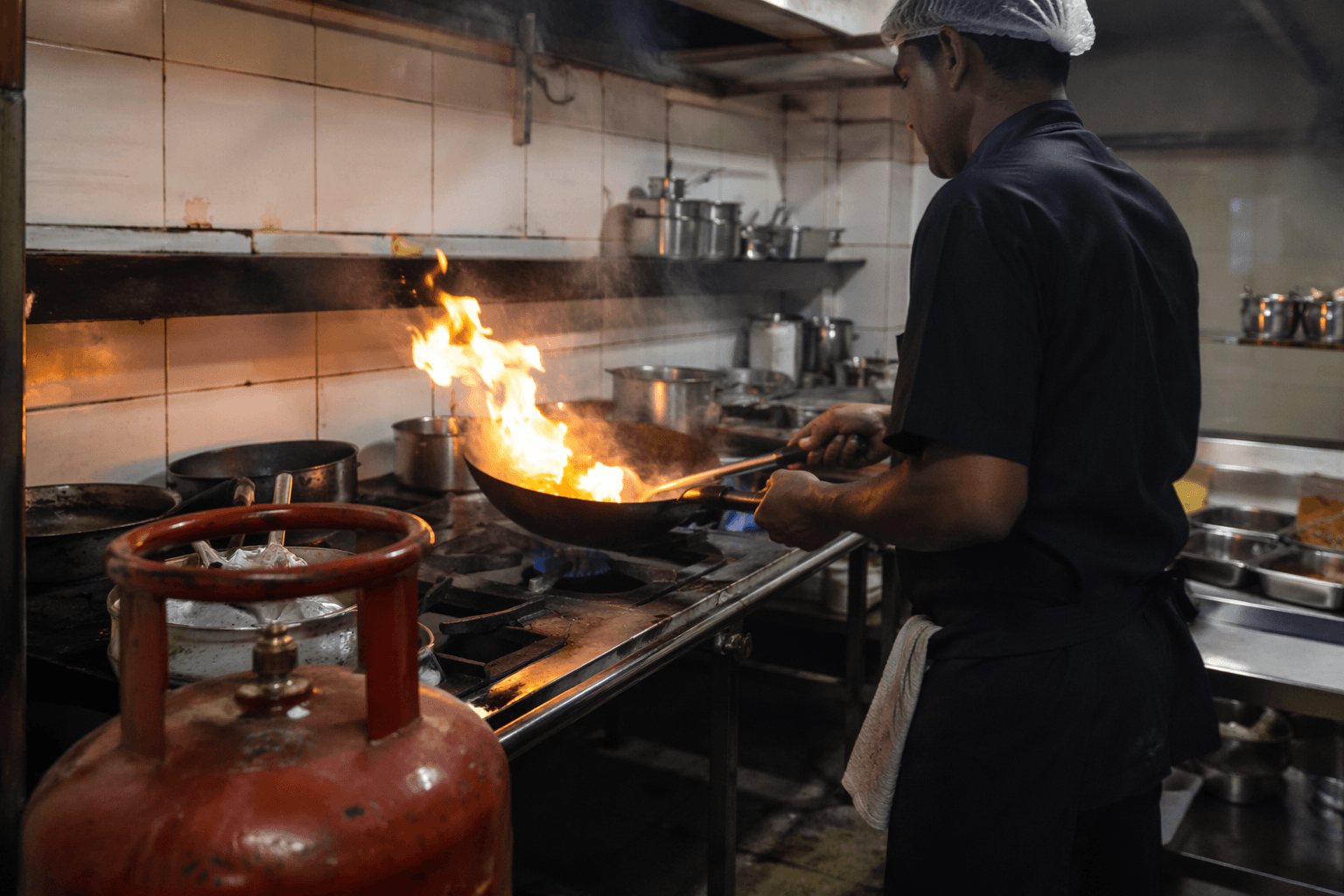
A clopen that sends a worker from closing duty into early prep can do more than wreck sleep. OSHA says long work hours and irregular shifts can trigger fatigue, physical stress and mental stress, while also raising the risk of operator error, injuries and accidents on restaurant floors.
That matters in kitchens built around fryers, slicers, hot lines, delivery handoffs, slippery floors and closing checklists. OSHA’s guidance says demanding schedules can disrupt the body’s normal circadian rhythm, reducing concentration and making workers more vulnerable to mistakes that can lead to guest complaints, discipline and avoidable injuries.
The agency’s prevention advice is aimed squarely at managers. OSHA says employers should look at staffing, workload, work hours, understaffing and worker absences when cutting fatigue risk. It also says schedules should allow frequent rest breaks and nighttime sleep, and that employers can help by improving the work environment, including lighting, temperature and other surroundings that affect alertness.
The bigger labor picture is just as stark. The CDC’s National Institute for Occupational Safety and Health says fatigue is commonly linked to nonstandard schedules that disrupt or shorten sleep. NIOSH estimates nearly 30% of the American workforce works outside a regular daytime shift, and one in four workers reports working more than 40 hours a week. For restaurant crews, that means fatigue is not a rare problem confined to a few bad nights. It is built into a work culture that depends on late closes, doubles and early opens.
A CDC-hosted thesis focused on restaurant-worker fatigue found elevated injury risk in the industry and observed 13 workers, servers and cooks, during three consecutive shifts at a small restaurant. That narrow snapshot underscored how fatigue can accumulate across a week, not just during a single rush, and why one tired shift can spill into the next.
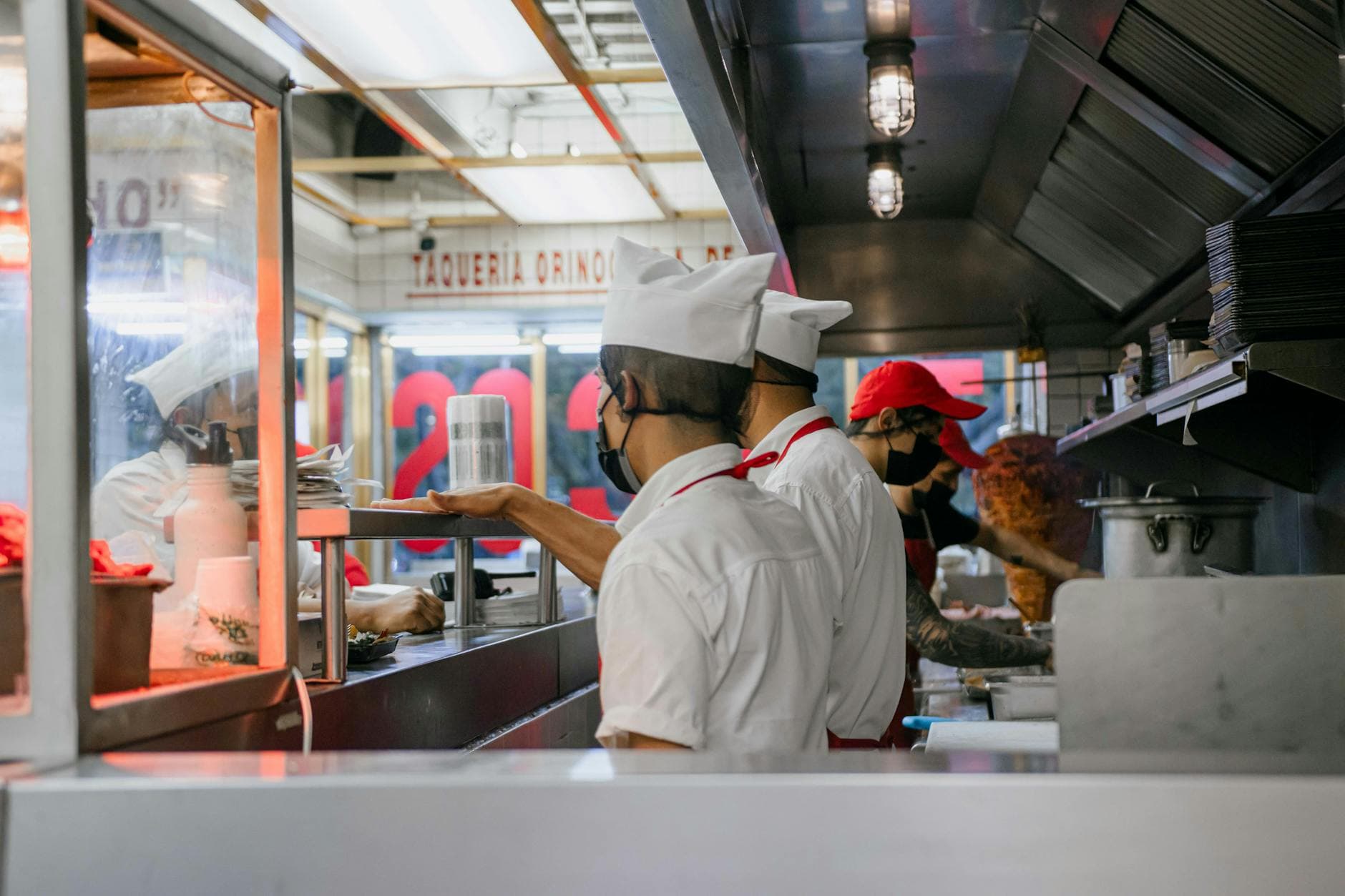
The broader industry data show why restaurant operators should pay attention. The U.S. Bureau of Labor Statistics says the food services and drinking places sector includes full-service restaurants, limited-service eating places, special food services and drinking places. Across private industry, employers recorded 2.5 million injury and illness cases in 2024, with a total recordable case rate of 2.3 cases per 100 full-time equivalent workers.
OSHA says the Occupational Safety and Health Act requires employers to provide a workplace free from recognized hazards likely to cause death or serious physical harm. In restaurants, that means treating fatigue as a workplace hazard, not a personal failing, and changing shift design, break practices and manager accountability before the next clopen turns into an injury or a costly mistake.
This article was produced by Prism’s automated news system from verified source data, official records, and press releases, then run through automated quality and moderation checks before publishing. The system is built and supervised by the people who set the standards it runs under. Read our full AI policy.
Did this article answer your question?