Pizza Hut Franchisee Pays $35,000 to Settle EEOC Sex Harassment, Retaliation Claim
Ayvaz Pizza, a Pizza Hut franchisee, paid $35,000 to settle federal sex harassment and retaliation claims, and must now report future complaints directly to the EEOC.
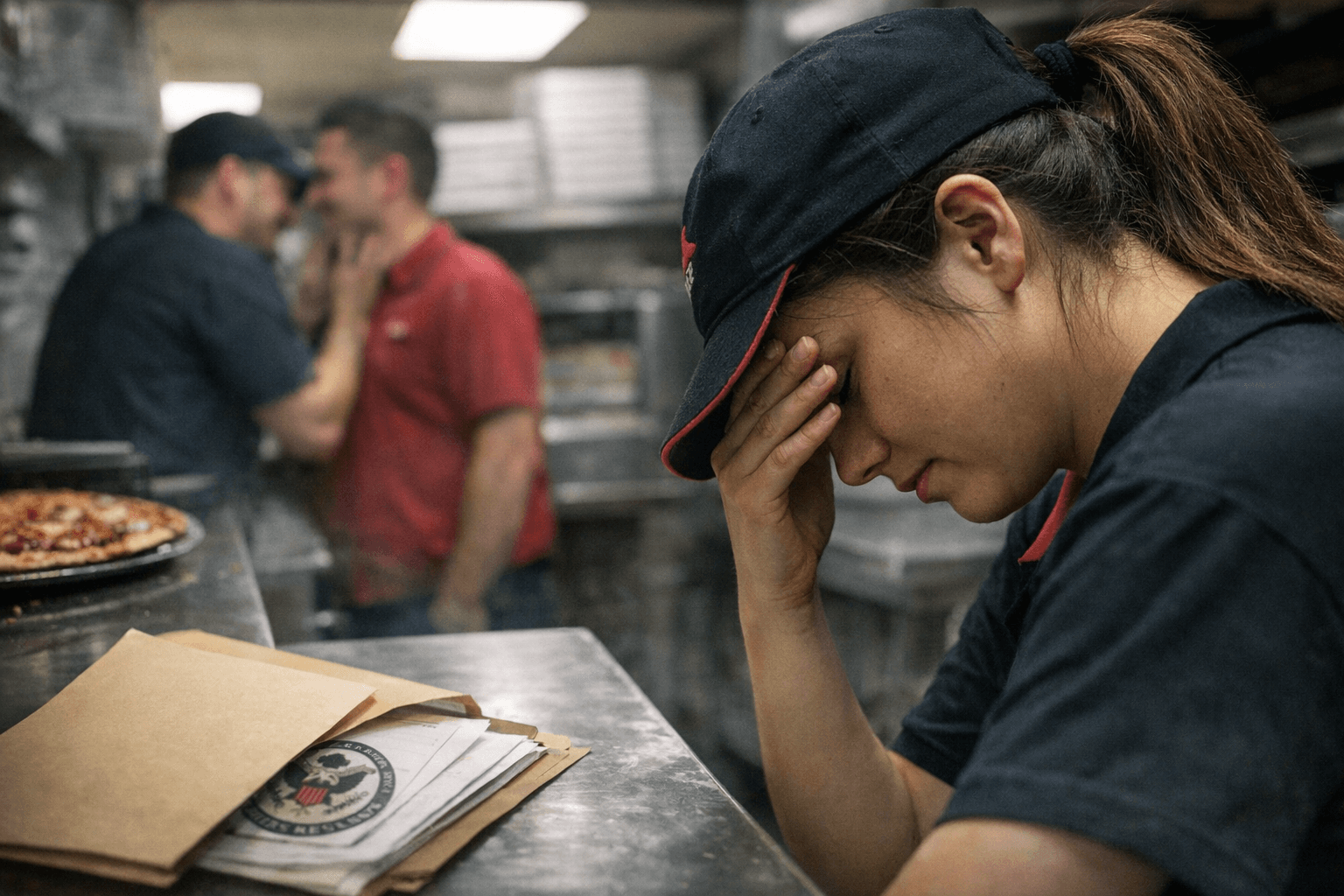
A worker at an Ayvaz Pizza location reported being sexually harassed. Then came retaliation. That sequence, documented in a federal complaint, ended in late March with the Pizza Hut franchisee paying $35,000 and submitting to years of federal oversight.
The EEOC announced the settlement March 27, resolving the sex harassment and retaliation claim against Ayvaz Pizza through an administrative consent decree. The $35,000 goes to the worker who filed the complaint.
The decree's requirements extend well beyond the money. Ayvaz Pizza must update its anti-discrimination policies, provide mandatory anti-harassment training for staff and management, and issue a neutral letter of reference to the complainant. Most critically, the company must report any future harassment complaints to the EEOC as a condition of compliance, placing the franchise under active federal supervision for the duration of the multi-year agreement.
That reporting requirement carries the most operational weight. In restaurants, harassment complaints have a way of dying inside a general manager's inbox. Workers who escalate often find their hours cut or their schedules scrambled. Mandatory external reporting removes the employer's ability to quietly absorb or suppress a complaint.
Retaliation is the piece that makes harassment so damaging in service-industry workplaces. A server or line cook who reports misconduct and then loses the lucrative Saturday night shift, gets written up for something minor, or is simply fired has lost both income and leverage. The EEOC's settlement treats retaliation as its own violation, not merely an afterthought to the underlying harassment claim.
For franchise operators, the arithmetic is stark. Ayvaz Pizza's exposure traces back to what appears to be a management failure at a single location. The $35,000 payout, the compliance burden of the consent decree, and the public visibility of a named federal enforcement action would each have been avoidable with current training and a functioning complaint channel. Franchisors and franchisees that allow policy application to vary by location are accepting the same legal and financial risk.
Federal enforcement in low-wage hospitality has been consistent, and Ayvaz Pizza's case lays out exactly what that exposure looks like in practice.
This article was produced by Prism’s automated news system from verified source data, official records, and press releases, then run through automated quality and moderation checks before publishing. The system is built and supervised by the people who set the standards it runs under. Read our full AI policy.
Did this article answer your question?