Portillo’s Perks Drives 10% Sales, Alters Staffing and Operations
Portillo’s Perks, an app-less digital-wallet loyalty program, drove more than 10% of sales and topped 2 million users, reshaping staffing and store operations.
.png%3Fwidth%3D1280%26auto%3Dwebp%26quality%3D80%26disable%3Dupscale&w=1920&q=75)
Portillo’s reported that its app-less digital-wallet loyalty program, Portillo’s Perks, closed 2025 with more than 2 million users and accounted for over 10% of company sales, a shift that is already altering how restaurants staff and run shifts. Executives told investors the program performs differently across markets - driving visit frequency in Chicago and recruiting new guests in expansion territories - and offers targeted promotions and experience-based rewards such as exclusive tastings and early product previews.
The scale and design of Perks has practical implications for hourly teams. Loyalty-driven visits concentrate demand and create new peak patterns that can compress labor needs into shorter windows or create additional midshift spikes. Stores testing menu items promoted through Perks face training burdens so line cooks, cashers, and managers can deliver consistent product and guest experiences during loyalty events. That training and the execution of in-store experiences shifts work away from broad crew scheduling and toward more targeted operational coordination.
Marketing and operations teams are absorbing a larger share of promotional workload. Targeted offers require planning, segmentation, and coordination with store leadership to guarantee rewards are redeemable and experiences are staffed properly. At the store level, front-of-house teams must deliver tastings and early product looks, and back-of-house crew must be prepared for surges and menu switches. The program’s reliance on in-person execution increases the importance of store managers in translating digital offers into on-the-ground service.
Portillo’s said it will continue to lean on the Perks platform as it expands, which suggests these dynamics are likely to persist and grow alongside new market openings. Executives’ observation that Perks is used differently by market indicates labor effects will not be uniform; urban legacy markets may need more frequent short bursts of labor coverage, while new-market expansion could mean higher sporadic traffic tied to trial promotions.
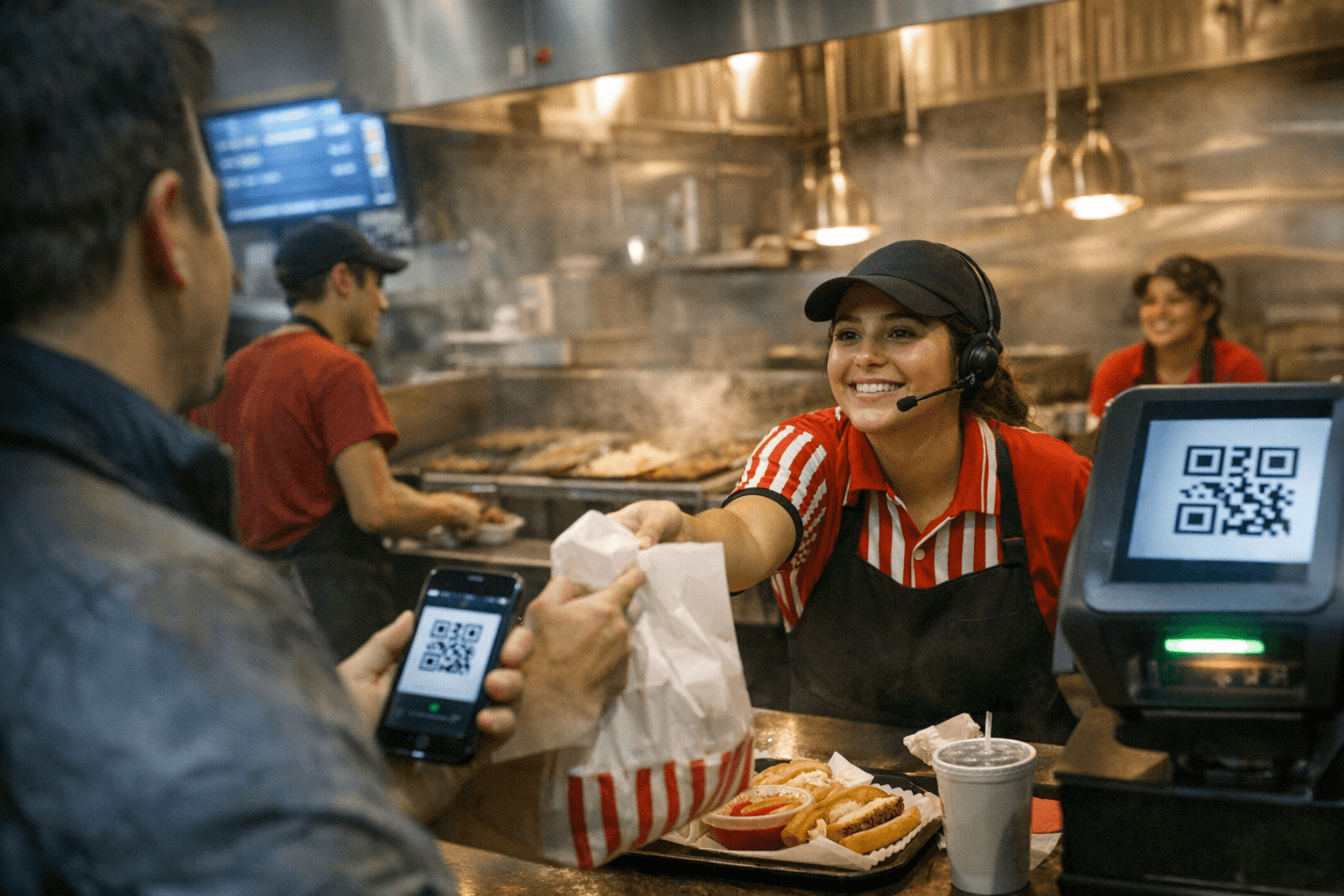
For workers, the changes mean more focused training, potential shift rebalancing, and greater emphasis on managers’ scheduling and communication. For leaders, the program underscores the need for cross-functional coordination between marketing, operations, and store teams to translate loyalty mechanics into reliable service. Payroll impact will depend on how companies choose to staff for loyalty-driven peaks - via permanent shift changes, temporary labor, or redistributed hours.
As Portillo’s leans into Perks while growing, expect loyalty platforms to remain a force in shaping shift patterns, promotional calendars, and the everyday workload of restaurant crews. Workers and managers should prepare for more targeted training cycles and closer alignment with marketing-driven promotions as the program scales.
This article was produced by Prism’s automated news system from verified source data, official records, and press releases, then run through automated quality and moderation checks before publishing. The system is built and supervised by the people who set the standards it runs under. Read our full AI policy.
Did this article answer your question?