Practical Guide Explains Predictive Scheduling and Pay Transparency Rules for Restaurants
A practical guide lays out how expanding pay-transparency and predictive-scheduling rules change scheduling, pay and recordkeeping in restaurants, and what operators and workers need to do.
Unpredictable shifts have long been a source of financial instability and stress among hourly workers. As cities and some states tighten pay-transparency and predictive-scheduling rules, restaurant operators are being forced to change how they post shifts, track hours, and calculate penalties.
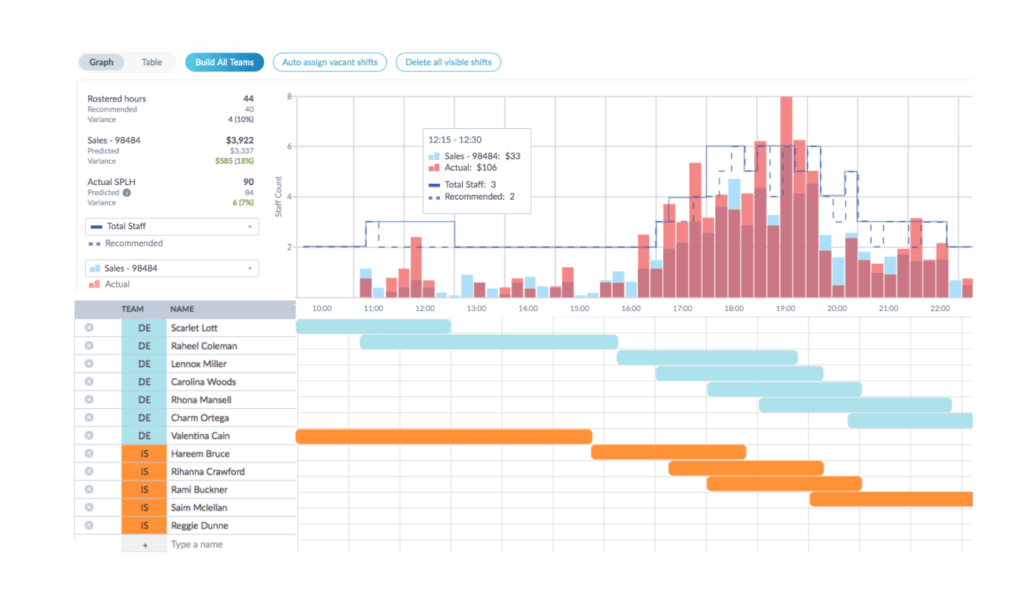
A 2025 compliance update from Fourth highlights that pay-transparency and predictive-scheduling laws continued to expand at the state and city levels, with Oregon remaining the only state that has a statewide predictive-scheduling law. Predictive scheduling - also called fair workweek, secure scheduling, or fair workweek laws - is designed to give employees more stable advance notice of shifts and to reduce on-call and just‑in‑time scheduling harms. “It’s important to distinguish predictive scheduling from the use of predictive analytics, artificial intelligence (AI), or machine learning technologies for automatic schedule generation. Predictive scheduling focuses on the proactive provision of work schedules to employees, ensuring they have sufficient time to adjust and plan accordingly,” Lineup Ai explains.
Typical law features include minimum advance notice windows, predictability pay when schedules change inside a notice window, and written estimates of hours for new hires. Multiple sources cite 14 days as a common minimum notice period; Chicago’s ordinance explicitly requires 14 days’ notice and a written estimate of work hours for new employees. Local thresholds determine which employers are covered: Philadelphia’s snapshot identifies employers with at least 250 employees and 30 locations worldwide; Seattle’s ordinance covers retail and food establishments with 500 or more employees globally and restaurants with 500 or more employees and 40 or more locations globally. Berkeley and Chicago include separate employer-size tests and income thresholds in their coverage rules.
Tipped-wage rules remain an extra compliance wrinkle. Fourth’s 2025 update warned that the 80/20 tipped‑wage rule is invalid in Texas, Louisiana, and Mississippi, while courts in other states may still recognize it, so operators should keep detailed records of tipped and non‑tipped work and avoid excessive side duties.

Enforcement stakes are real. Ukg warns that “restaurants in violation of predictive scheduling laws could face tens of millions of dollars in fees.” Vendors and industry advisers recommend a combination of operational controls and technology to reduce risk: post schedules early, track changes carefully, document compliance consistently, train managers on building and adjusting schedules, and train payroll teams to apply the correct local wage rates and predictability pay. “Stay proactive with compliance audits and periodic policy reviews. The best defense is documentation and consistent training,” Fourth’s guidance urges.
Technology vendors position workforce management tools as compliance enablers. HotSchedules by Fourth is promoted as a way to automate scheduling compliance and simplify multi‑location management, while Ukg highlights automation that can post penalty or predictability pay to timesheets and payroll, send schedule and pay notifications to mobile devices, and provide attestation tools for recordkeeping. Fourth also pointed operators to an on‑demand webinar where expert Christopher Bentley breaks down enforcement trends; the host summed up the session: “Thank you, Chris, that was a ton of valuable information and a great breakdown of what’s changing.”
For restaurant operators and workers, the practical takeaway is clear: know the local rules that apply to your locations, give employees as much advance notice as required (14 days where specified), keep precise tipped‑work records, and build audit trails through documentation and attestation. Expect continued local ordinance activity and plan for periodic audits, manager and payroll training, and investment in compliance‑ready scheduling systems to reduce financial and operational risk.
Know something we missed? Have a correction or additional information?
Submit a Tip