Restaurant Hiring Surges, Outpacing Sectors as Wage and Scheduling Pressures Persist
Restaurant hiring surged in January, adding tens of thousands of jobs and narrowing pandemic-era losses, but turnover and scheduling strain keep pressure on wages and shift patterns.

Restaurant employers accelerated hiring in January, adding tens of thousands of positions and outpacing several competing sectors for recruits, according to Bureau of Labor Statistics employment figures released Jan 16. The surge is closing much of the industry’s employment gap since pandemic lows and has shifted the balance in a tight labor market that has kept operators on their toes for years.
The pickup in hiring matters to both front-of-house and back-of-house workers. More openings expand opportunities for cooks, servers, bartenders, and shift supervisors, but operators report that filling seats on the schedule is only part of the challenge. High turnover and persistent scheduling pressures mean many restaurants still struggle to translate hires into consistent coverage and reliable shifts for employees.
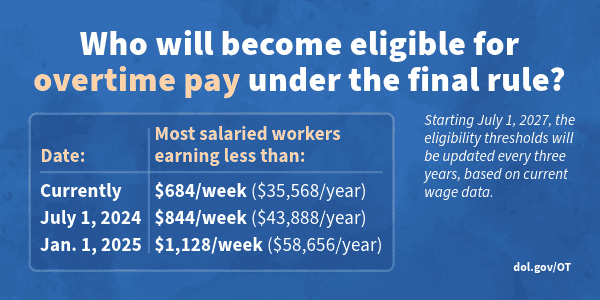
For operators, the hiring acceleration drives immediate scheduling headaches and longer-term wage pressure. Restaurants that bring on more staff can stretch coverage across peak hours, but the cost of doing so rises if new hires command higher pay or if managers add premium pay to hold shifts. Chains and independents alike are trying to balance increased labor availability with variable customer demand, a calculus that affects menu engineering, staffing mixes, and hours of operation.
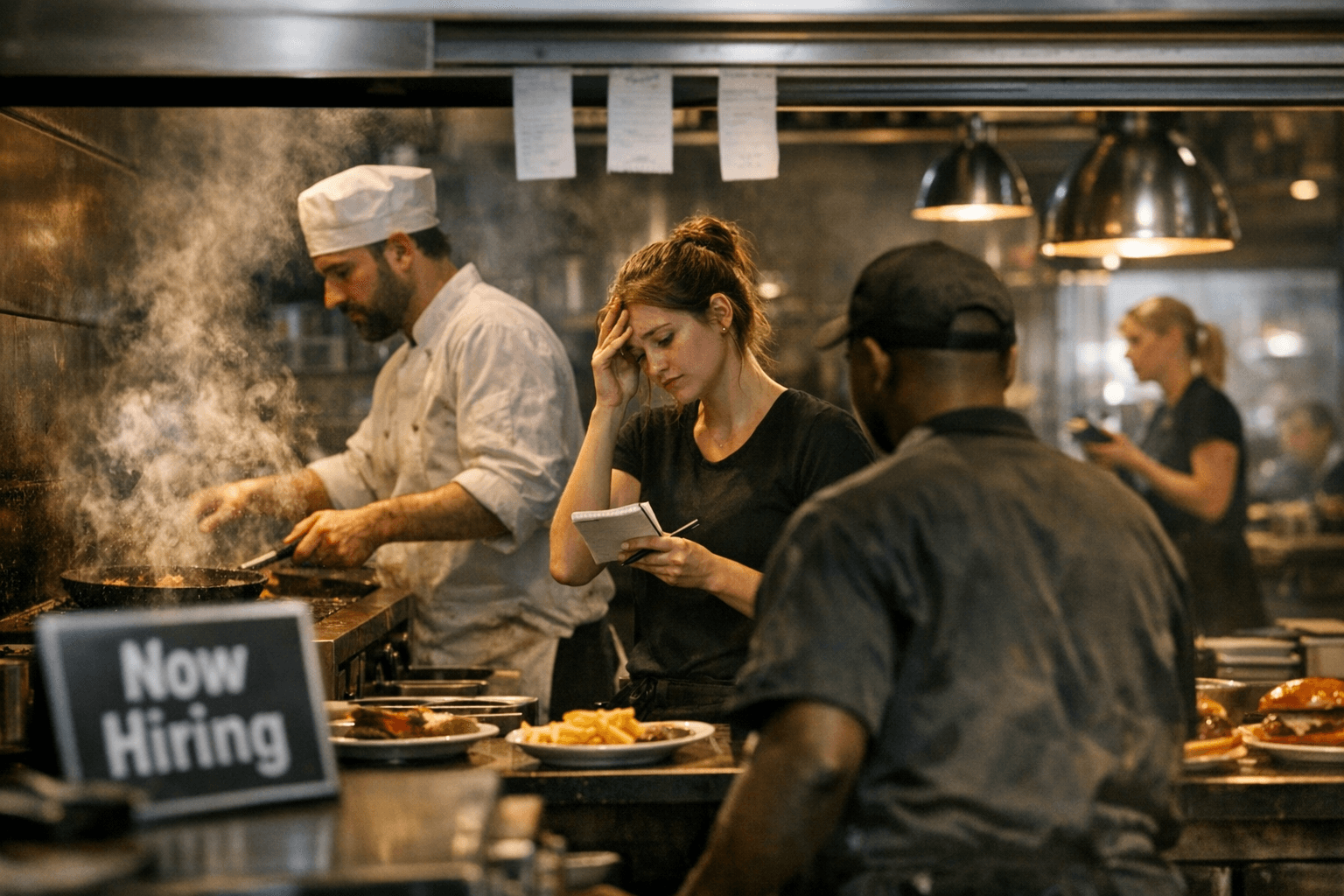
Workplace dynamics remain unsettled. High turnover forces managers to spend more time on recruitment and training rather than service quality. Scheduling pressure - from split shifts, short notice changes, and the need to cover weekend and evening peaks - continues to influence employee satisfaction and retention. Even as head counts rise, many restaurants may face uneven shift rosters that undercut stable earnings for workers and produce last-minute labor shortages for employers.
The recovery in employment since the pandemic lows does not mean the industry has returned to pre-pandemic normal. The sector is narrowing its employment shortfall, but the combination of recruiting competition and ongoing turnover keeps upward pressure on wages and encourages experimentation with service models. Chains may centralize labor planning or lean more on technology for scheduling, while independents often adjust hours, simplify menus, or cross-train staff to maintain service standards with fluctuating labor supply.
For workers, the immediate effect is more hiring opportunities and potentially improved bargaining leverage on pay and scheduling. For managers, the surge requires sharper talent management and cost control to prevent labor expenses from eroding margins. Policymakers and industry watchers will be watching subsequent BLS reports for whether the January acceleration is the start of sustained hiring or a temporary rebound.
The January hiring pickup signals a shift in restaurant labor markets, but the sector’s path to steady staffing and predictable schedules remains uneven. Employers and workers should expect continued adjustments in pay, rostering practices, and service models as the industry seeks equilibrium between labor availability and customer demand.
Know something we missed? Have a correction or additional information?
Submit a Tip