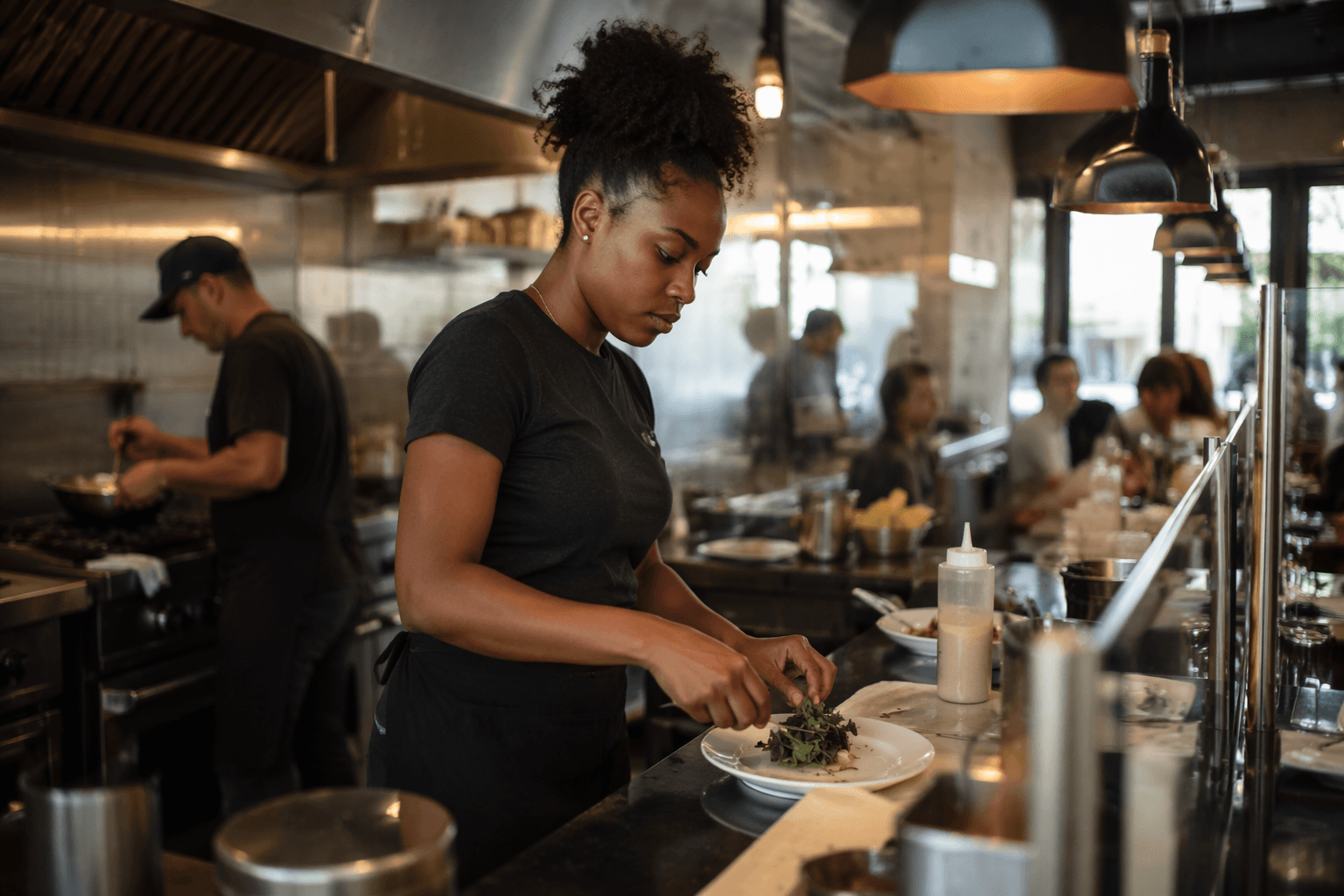
Restaurant leaders say immigration policy now shapes staffing, traffic, costs
Restaurant leaders said immigration fears are already shrinking guest counts and leaving Texas short tens of thousands of workers, from cooks to dishwashers.

A dining room does not run at full capacity when the cook line is short, the dish pit is backed up and a host stand cannot cover every shift. Restaurant leaders at the National Restaurant Association Show in Chicago said immigration policy has become a daily business issue, not a distant debate, because it now affects staffing, operating hours, food costs and traffic.
At McCormick Place, Emily Williams Knight of the Texas Restaurant Association joined Aaron Frazier of the National Restaurant Association and Kevin Vaughan of Vaughan Hospitality Group in arguing that the labor shortage is widening in places where immigrant workers make up a large share of both the workforce and the customer base. Knight said Texas restaurants are already short tens of thousands of workers, and the panel tied that gap directly to service levels: if enough cooks, servers, dishwashers and support staff are missing, restaurants cannot stay open at full strength. The speakers also said fear and uncertainty in immigrant-heavy neighborhoods can cut guest counts, which hits sales at the same time operators are trying to keep schedules stable.
The industry’s case rests on the scale of its reliance on immigrant labor. The National Restaurant Association says nearly 1 in 4 restaurant workers was born outside the United States, and its own research showed that as of April 2026, eating and drinking places were still only 71,400 jobs, or 0.6%, above their February 2020 employment peak. Full-service restaurants remained nearly 200,000 jobs below pre-pandemic levels. For managers trying to build a schedule, that means a missed hire can ripple through the whole week, from overtime exposure to menu cuts on labor-heavy dishes.
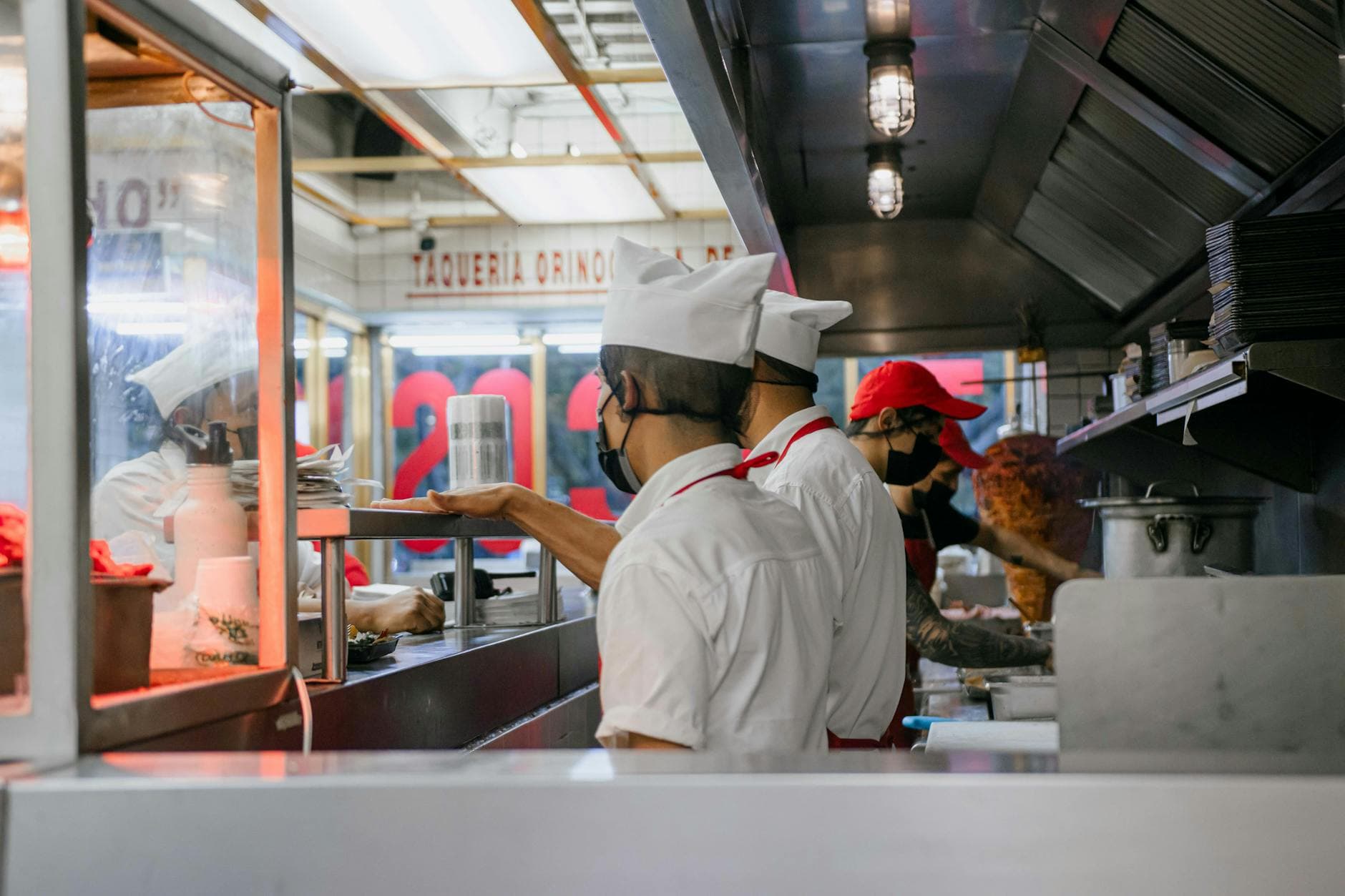
The broader labor market points to the same pressure. Bureau of Labor Statistics data released May 19 showed the foreign-born unemployment rate at 4.2% in 2025, unchanged from a year earlier. Restaurant groups say that keeps immigrant labor central to the available workforce, especially in kitchens, prep rooms and front-of-house jobs that are already hard to fill.
Operators are pushing for a policy fix, but they are also dealing with the consequences now. The National Restaurant Association made immigration reform one of its three main policy priorities in February, alongside the Credit Card Competition Act and USMCA renewal, and says it wants comprehensive immigration reform that would fix the work-visa system and protect long-serving employees. The DIGNIDAD Act of 2025, H.R. 4393, was introduced in the House on July 15, 2025 and remains in introduced status. Seat the Table, a coalition of more than 20 hospitality and agricultural groups, launched its Keep Food on the Table campaign on March 11 to press for work permits across the food supply chain. For restaurant workers, the stakes are immediate: whether the next shift gets covered, whether hours hold steady and whether sales are strong enough to keep the doors open.
Know something we missed? Have a correction or additional information?
Submit a Tip