Restaurants Must Adapt to 2026 Employment-Law Shifts: Unemployment, Tips, DEI, Immigration
Restaurants face new legal pressure on unemployment claims, tip-credit rules, DEI programs and I-9 compliance, raising operational and HR burdens for front- and back-of-house workers.
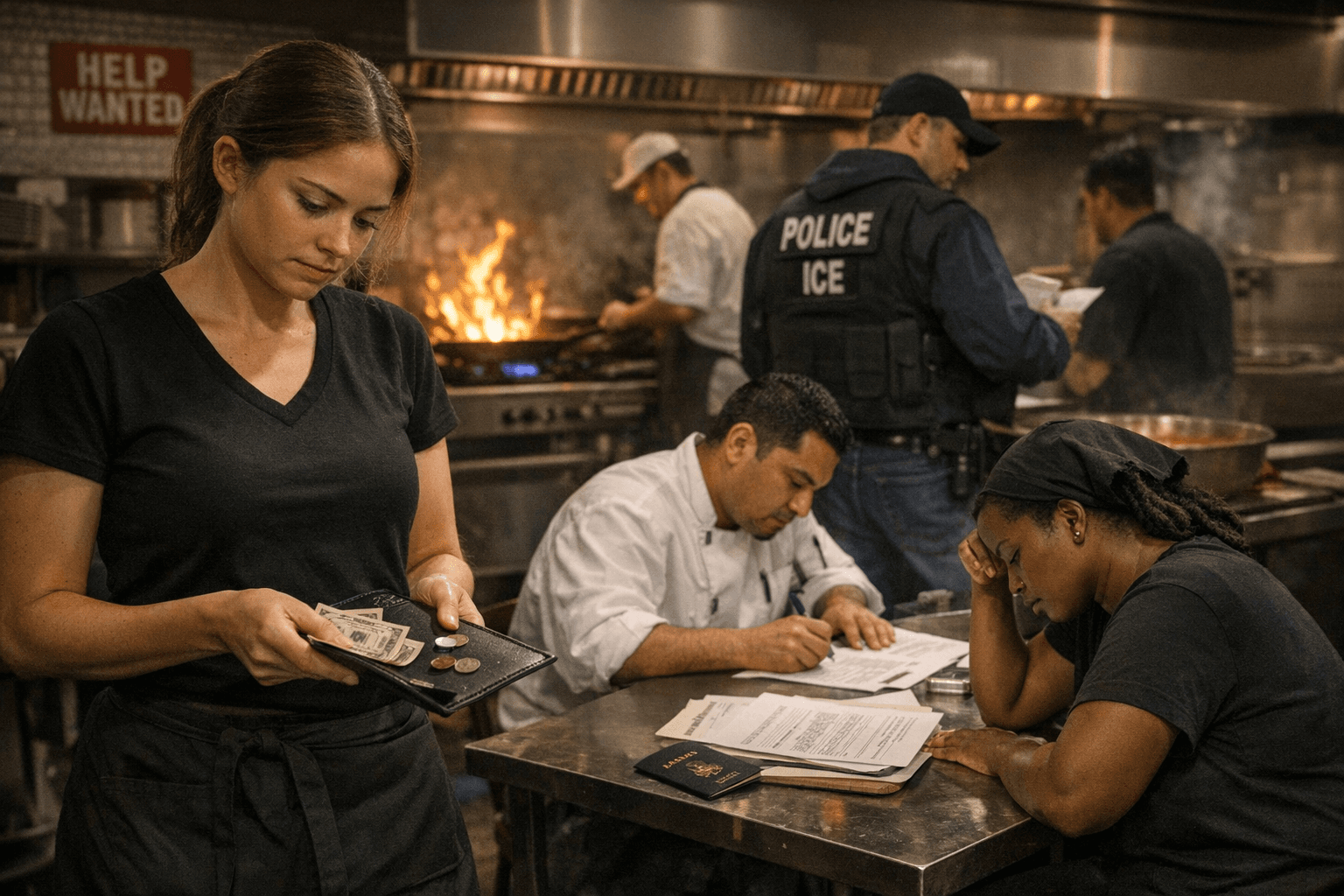
Restaurants face a squeeze from several employment-law shifts that will change how kitchens and dining rooms handle hiring, pay and personnel records. A January 21 roundup for employers highlighted tightened unemployment work-search rules, a court decision reshaping tip-credit compliance, increased federal scrutiny of diversity-equity-inclusion efforts, and ongoing immigration-enforcement activity that together raise stakes for restaurant managers and staff.
Unemployment changes mean restaurants will see greater reporting responsibilities when former employees file claims. Employers that previously contested benefit payments with sparse documentation now must produce more detailed proof of work-search activity and separation reasons. That increases back-office workload and raises the risk that unaddressed claims will drive up an employer’s unemployment insurance tax rate. Managers and owners should centralize claim-handling, document separations carefully and keep routine records of attendance, discipline and job offerings to protect payroll costs.
The Fifth Circuit vacated the Department of Labor’s 80/20/30 rule, altering how tip-credit compliance is assessed. The decision shifts focus away from stopwatch tracking of side duties and toward whether an employee’s primary occupation is tipped. For front-of-house crews, that can ease administrative burdens by removing minute-by-minute timekeeping for non-tipped tasks. For back-of-house staff who receive tips via pooling, however, restaurants still must ensure tip-credit calculations and tip-pool rules meet wage-and-hour law. Payroll teams should review wage calculations, tip-pool policies and job classifications to avoid underpayments or litigation.
At the same time, federal agencies are increasing scrutiny of employer DEI programs and changing EEOC priorities. Human resources departments must reconcile the desire to build inclusive front- and back-of-house teams with heightened enforcement risk. Practical steps include auditing DEI training content, documenting selection criteria, avoiding numerical hiring quotas, and ensuring that outreach and retention initiatives are legally tailored. These changes affect workplace dynamics by forcing restaurants to be more deliberate and documented in recruiting and promotion practices.
Immigration-compliance pressure remains high, with I-9 accuracy and audit risk continuing to be enforcement focal points. Mistakes in completing or storing Forms I-9, or inconsistent document inspection practices, can lead to fines and disruptions for crew members authorized to work. Restaurants that rely on seasonal or nontraditional staffing should conduct internal I-9 audits, train managers on acceptable documents, and keep clear records to reduce audit exposure.
Attorneys advising hospitality clients urged practical compliance steps: tighten documentation, train supervisors, run internal audits of payroll and I-9s, and review DEI materials. For employees, these shifts mean clearer documentation of schedules, roles and separations, and potentially faster resolution of wage disputes. For operators, they demand more robust HR processes and closer coordination between managers and payroll. As enforcement and litigation trends evolve, restaurants that update policies now will be better positioned to keep the line moving and protect both workers and the bottom line.
This article was produced by Prism’s automated news system from verified source data, official records, and press releases, then run through automated quality and moderation checks before publishing. The system is built and supervised by the people who set the standards it runs under. Read our full AI policy.
Did this article answer your question?