Rich Table Owners Offer Reduced-Rate Staff Housing Above RT Bistro
Rich Table owners opened RT Bistro next door and are offering furnished apartments above the bistro to staff at reduced rent with utilities paid, easing housing pressure for restaurant workers.
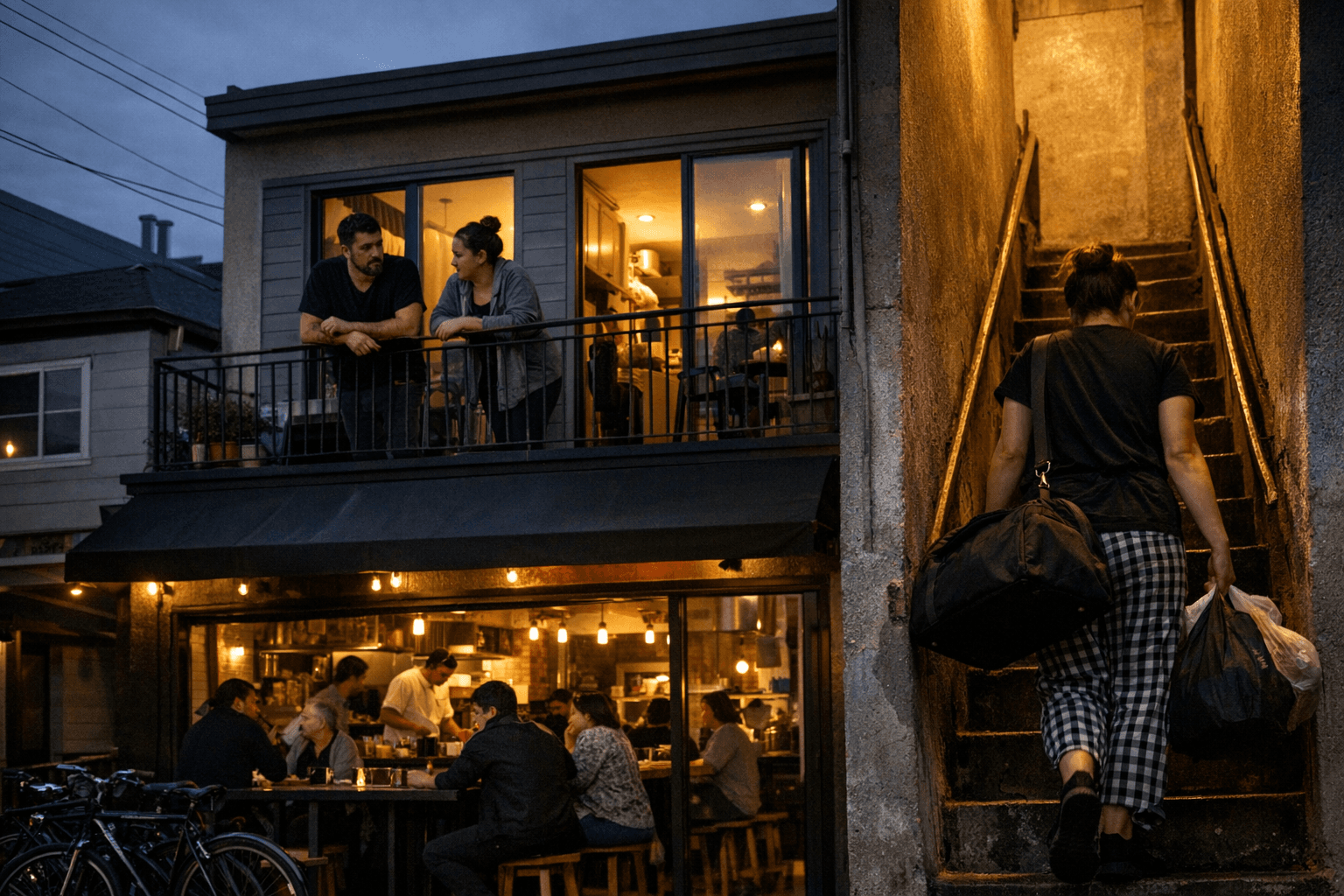
The owners of San Francisco’s Rich Table opened a second restaurant, RT Bistro, in Hayes Valley and discovered furnished apartments above the new space that they can rent to employees at a reduced rate with utilities covered. The move provides immediate housing relief for front-of-house and back-of-house staff in a city where high rents make stable housing a major barrier to retention and recruitment.
Rick Table chef-owner Evan Rich said the team saw an opportunity to help employees find more-affordable housing while opening the new restaurant. The apartments came with the RT Bistro site and are being offered to restaurant employees as part of the launch. Utilities will be paid by the owners, and the units are furnished, reducing the upfront cost of moving in for staff who often rely on minimum wage plus tips.
For line cooks, servers, dishwashers and managers, the arrangement addresses two persistent operational headaches: the cost and unpredictability of commutes, and the churn that follows staff who leave when rent spikes. Shorter commutes make late shifts and split shifts easier to cover and can reduce absenteeism. Employers often cite housing instability as a hidden labor cost; by providing below-market housing, the Rich Table ownership is effectively investing in workforce stability at a moment when many Bay Area restaurants compete fiercely for experienced staff.
The choice to house employees on-site or above the workplace carries workplace culture implications. Living above the bistro could make staffing more flexible and foster tighter team bonds, but it can also blur the line between on- and off-duty life and raise questions about privacy and manager-employee dynamics. Owners and managers will need to set clear policies on guest rules, quiet hours, cleaning responsibilities and other expectations to avoid conflicts between roommates and work colleagues.
The initiative fits into a broader challenge for restaurants in San Francisco. Skyrocketing rental costs have forced many hospitality workers to live farther from the city or to board with multiple roommates, complicating scheduling and increasing turnover. Some restaurateurs have begun experimenting with housing stipends, partnerships with local landlords or temporary staff housing during busy seasons; offering units directly is a more hands-on approach that requires capital but can yield quicker staffing benefits.
For workers, the immediate takeaway is practical: reduced housing costs and covered utilities can quickly improve take-home pay and quality of life. For operators, the Rich Table model is a test case in using property assets to support staff recruitment and retention. Observers and other restaurateurs will be watching how the arrangement affects staffing stability, workplace culture and the bottom line as RT Bistro settles into Hayes Valley.
Know something we missed? Have a correction or additional information?
Submit a Tip