Rising Gas Prices Squeeze Gig Delivery Drivers, Straining Restaurant Operations
Fuel costs are making delivery runs unprofitable for gig drivers on DoorDash, Uber Eats, and Grubhub, pushing couriers toward high-value orders and leaving some neighborhoods uncovered.
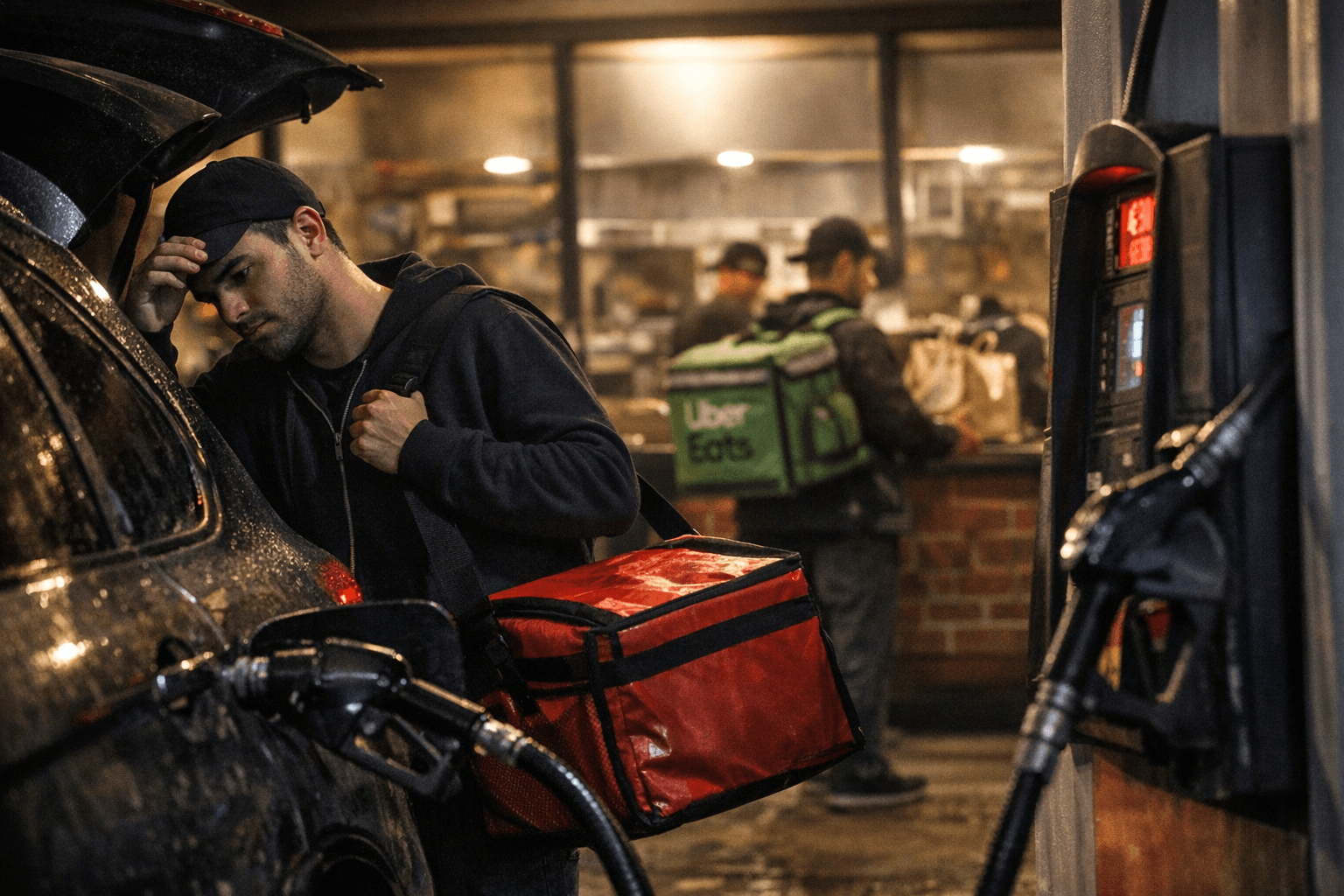
The squeeze on gig delivery drivers is reaching into restaurant kitchens. Fuel costs tied to geopolitical instability and supply chain pressures have eroded per-run earnings on DoorDash, Uber Eats, and Grubhub to the point that many routes are unprofitable once gas is weighed against combined platform pay and tips, and drivers have started walking away from runs that don't pencil out.
The immediate fallout for restaurants is measurable: more cancellations on long-distance deliveries and a rising tide of customer complaints about late orders. When fuel costs outpace what a platform pays, couriers gravitate toward "stacked" or surge orders, concentrating service on high-value runs in dense zones and leaving neighborhoods at the margins of a delivery radius effectively unserved.
DoorDash rolled out limited relief measures and temporary stipend programs in select markets, but drivers described those efforts as patchy, insufficient to offset what rising gas prices are taking from weekly earnings. Uber Eats and Grubhub have not announced comparable programs.
For operators, the instability lands on top of economics that were already tight. Third-party platform commissions and delivery fees already compress per-order margins. When driver shortages hit during peak windows, prepared food sits under heat lamps waiting for a courier that may never arrive, creating order backlogs and kitchen throughput problems that ripple through the rest of service.
The strategic options for managers include incentivizing customer pickup through discounts or loyalty programs, exploring cooperative or hybrid delivery networks, renegotiating platform terms where order volume provides leverage, or adjusting menu pricing to more accurately reflect delivery economics. For restaurants that maintained in-house drivers before the pandemic shifted the industry toward app-based platforms, the current reliability gap is reopening a question many operators thought was settled: whether staffing those roles again is operationally worth it.
In the kitchen and on the floor, the effect shows up in service flow. Late or canceled delivery pickups compress prep timing and create friction at the expediting station. Tracking recurring delays and surfacing patterns to management can directly inform staffing decisions and order pacing during high-volume delivery windows, particularly as operators weigh whether their current platform mix is still working.
The pressure starts with geopolitical disruption, runs through fuel prices, reshapes how couriers choose their runs, and lands squarely in the restaurant: slower pickups, widening coverage gaps, and operational friction that kitchen teams absorb shift by shift.
This article was produced by Prism’s automated news system from verified source data, official records, and press releases, then run through automated quality and moderation checks before publishing. The system is built and supervised by the people who set the standards it runs under. Read our full AI policy.
Did this article answer your question?