Robot Woks Enter Restaurant Kitchens, Raising Questions About Cooks' Future
A six-foot robot wok nicknamed Robby is already cutting labor costs at a Philadelphia Chinatown fast casual spot, and economists warn the broader trend means net job losses.

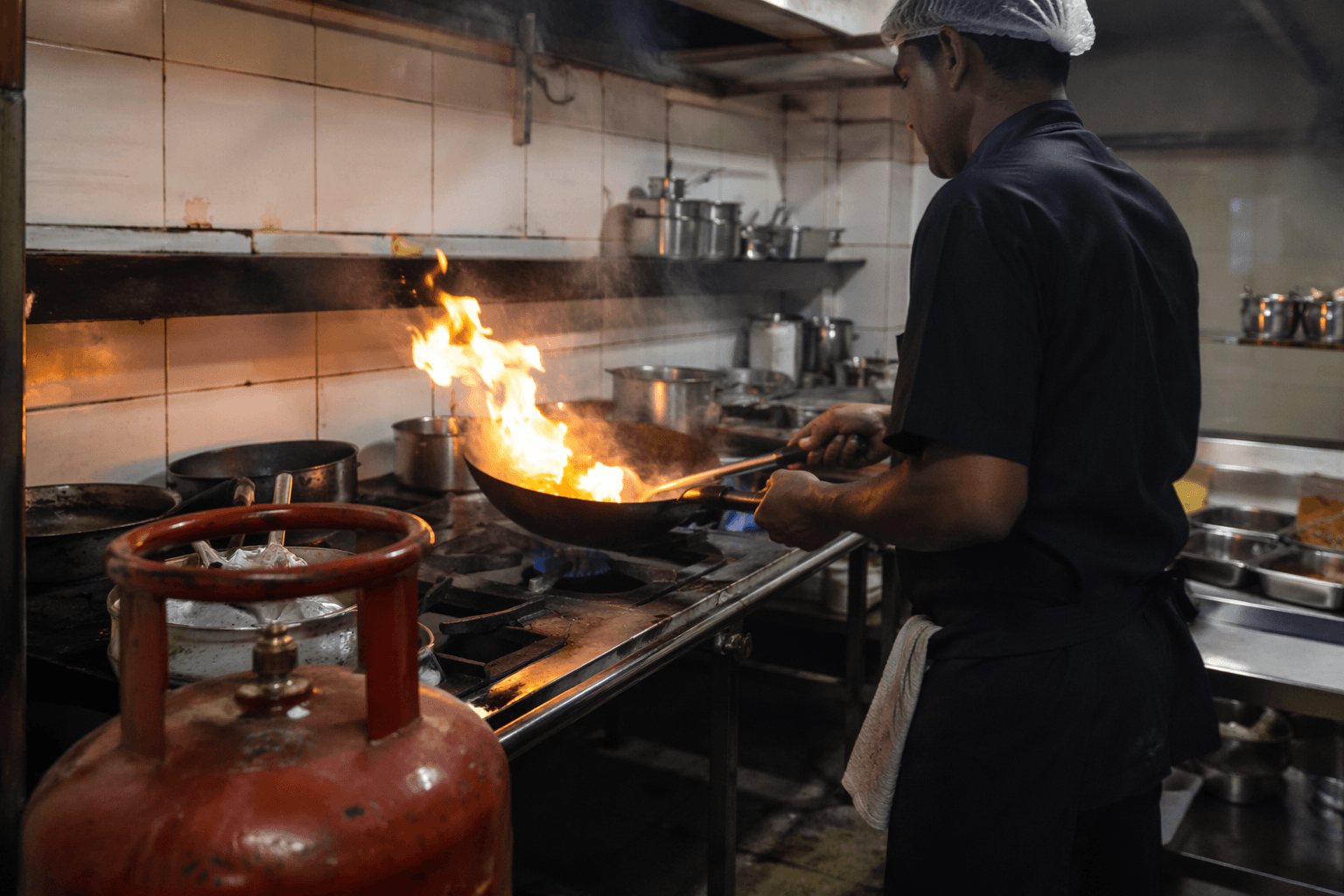
Inside a Philadelphia Chinatown kitchen, a six-foot metal machine nicknamed Robby the robot wok-bot has taken over the wok station at InstaFoodz, a fast casual restaurant co-owned by Kenny Poon. The automated wok, which reporters from NPR's Planet Money visited last week, stands roughly the height of a tall line cook and, in Poon's description, can make "over 5,000 different dish."
The number stopped Planet Money reporter Erika Beras cold. "Five thousand?" she asked. Poon confirmed it without hesitation.
Robby looks, as reporter Justin Kramon put it, "kind of like a washing machine with no door." At its center sits a basket that functions as the wok itself. A cook selects a dish from Robby's touchscreen menu, the way a diner might tap an order into a kiosk. Poon demonstrated with beef chow fun: once the selection was made, Robby instructed him which precut raw ingredients to add to the hot, spinning wok while separate tubes automatically squirted sauces and seasonings into the basket as the food tossed around inside.
That division of labor is worth noting for anyone who has spent years on a hot line. The robot controls the heat, the spin, and the sauce; the human still loads the ingredients. For now.
Poon told Kramon he could not taste the difference between Robby's output and a dish cooked by a human. He also said his labor costs have dropped since Robby came aboard, though he offered no specific figures.
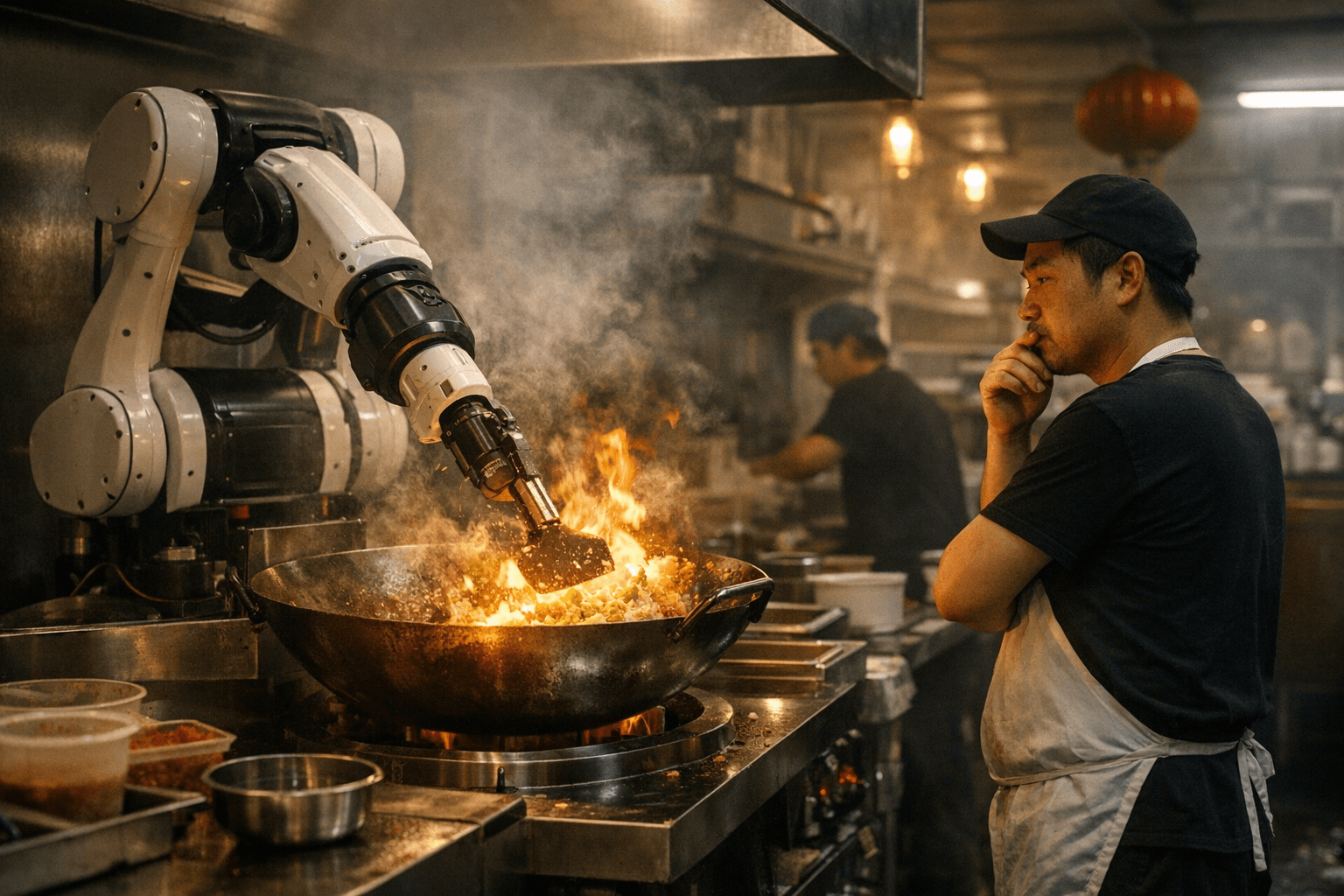
The arrangement at InstaFoodz is not an isolated experiment. White Castle and Panda Express are already deploying automated tools in their kitchens, a sign that the technology is moving from pilot programs into standard operations at major chains.
The economic picture beyond any single restaurant is grimmer. Economist Acemoglu, whose research the Planet Money segment cited, found that automation produced a net loss of jobs and wages in the economies he studied. Acemoglu acknowledged a more optimistic possibility: "Once workers are displaced from the tasks that robots can now do, they can go and do other things. And sometimes, not always, but sometimes, that could actually be a good thing for them because they're doing more interesting things." Those other things, in the restaurant context, could mean engineering and maintenance roles for the machines themselves, or supervisory positions overseeing more complex automated systems.
The honest caveat is that neither outcome is guaranteed. As Kramon framed it in the segment, whether restaurants follow the net-loss pattern Acemoglu documented depends entirely on whether operators use robot cooks to assist their existing staff or to thin it out. For line cooks, that distinction is the whole ballgame.
This article was produced by Prism’s automated news system from verified source data, official records, and press releases, then run through automated quality and moderation checks before publishing. The system is built and supervised by the people who set the standards it runs under. Read our full AI policy.
Did this article answer your question?