Singapore Restaurant Association asks Budget 2026 for higher wage co-funding, rent caps
The Restaurant Association of Singapore asked Budget 2026 for higher wage co-funding and rent caps to ease costs for F&B employers and protect jobs and wages.
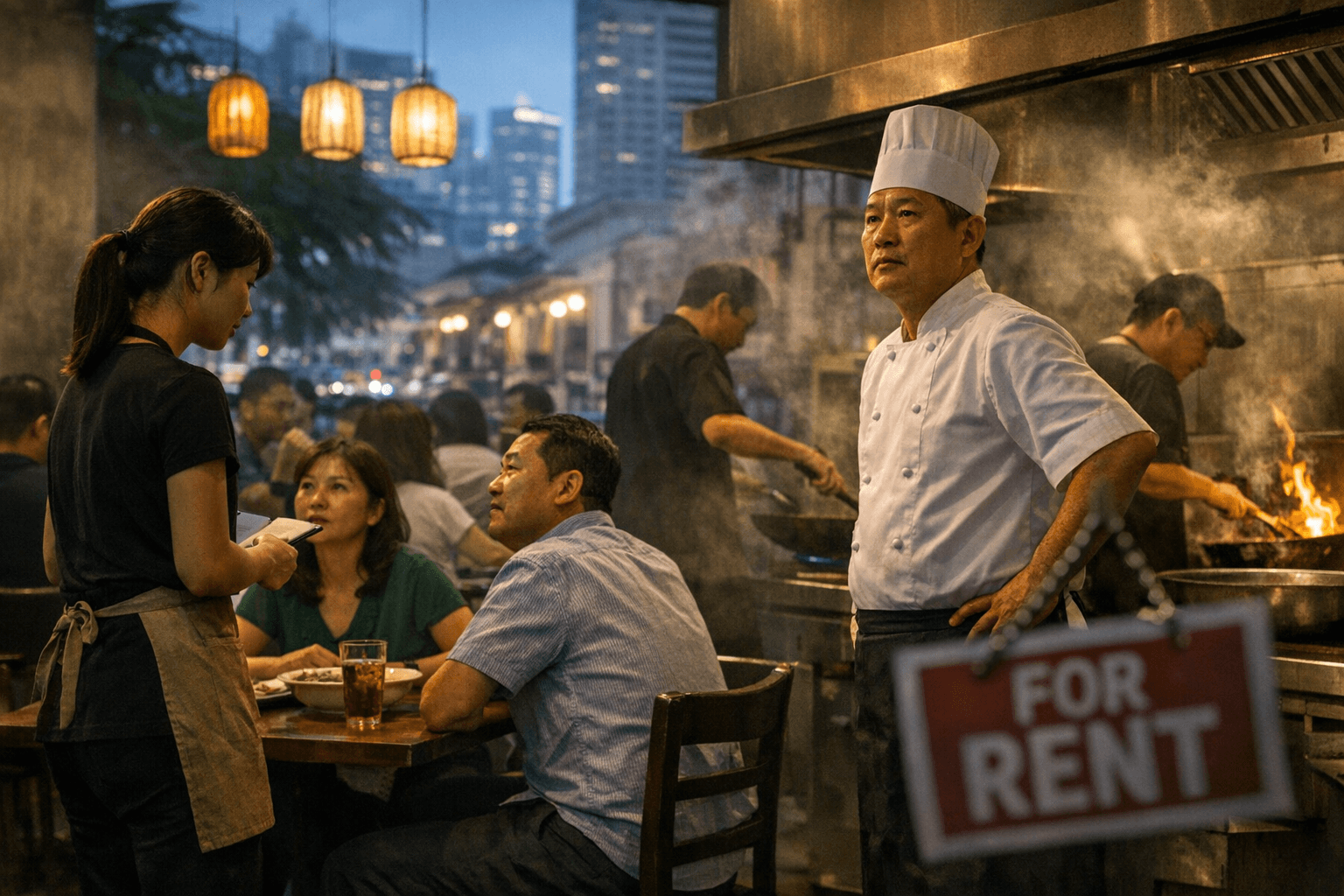
The Restaurant Association of Singapore (RAS) submitted proposals for Budget 2026 asking the government to lift labor-cost support and rein in rental pressures to stabilise small and medium F&B operators and protect staff. The association said targeted measures are needed as many outlets continue to face high fixed costs, depressed revenue and chronic staff shortages.
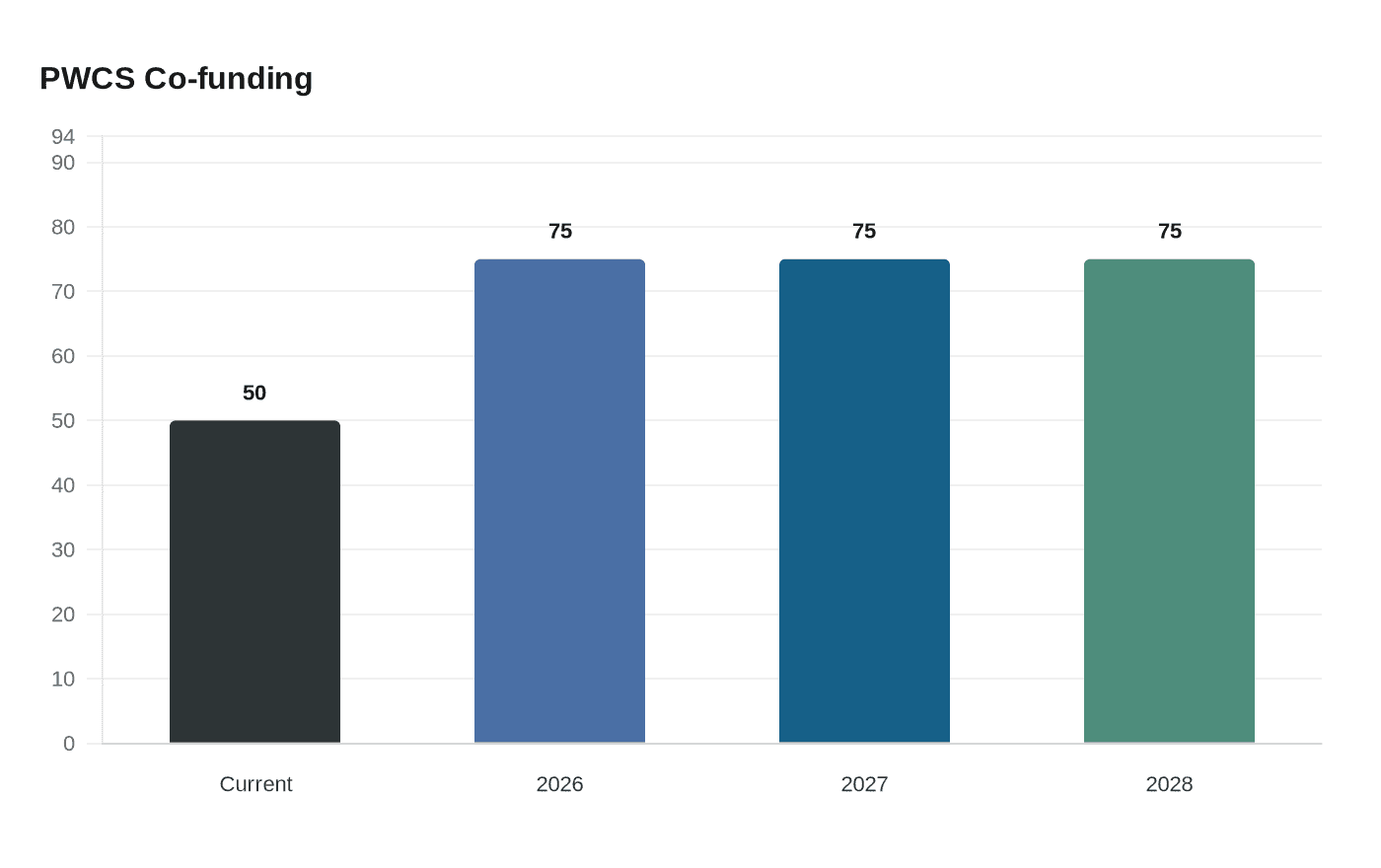
In detailed asks submitted on January 20, 2026, RAS recommended raising the Progressive Wage Credit Scheme (PWCS) co-funding level from 50% to 75% for 2026 to 2028 and speeding up how PWCS payouts are made to ease cash-flow strain for employers. Faster and more frequent PWCS disbursements would help restaurants manage monthly wage cycles and reduce the likelihood that wage increases are delayed or absorbed by operating shortfalls.
RAS also called for removal or revision of foreign worker levies that contribute to overall manpower costs, and for expanded support for replacement costs when employees take parental leave. That latter point is aimed at making it easier for restaurants to retain staff who start families without bearing the full short-term cost of hiring temporary replacements.
Rental costs were another major focus. RAS urged measures to cap or smooth rental renewal spikes and to improve rental data transparency so tenants can better plan for upcoming rent hikes. The association argued that unpredictable lease renewals and lack of reliable market data force operators into sudden cost-cutting measures that often affect staffing levels, service hours and the ability to retain experienced front-of-house and back-of-house personnel.
For workers, RAS’s proposals could mean steadier wage progression, fewer abrupt layoffs tied to rent shocks, and better job protection for employees who take parental leave. Higher PWCS co-funding and quicker payouts reduce pressure on operators to slash hours or delay hiring, while rental caps and transparency could curb the rent-driven closures that result in job losses.
The association framed its requests as essential to shore up SME viability and preserve workforce stability. Without targeted policy relief, RAS warned that many small and medium operators would struggle to remain viable in a sector with thin margins and heavy reliance on both local and foreign labour.
Budget 2026 will determine which measures are adopted. For restaurateurs and workers, the outcome will shape hiring plans, wage growth and whether more outlets can avoid retrenchment or reduced service. Operators should track the government’s Budget announcements closely; staff and unions should watch for policy moves that affect pay, parental leave coverage and tenancy protections.
Know something we missed? Have a correction or additional information?
Submit a Tip