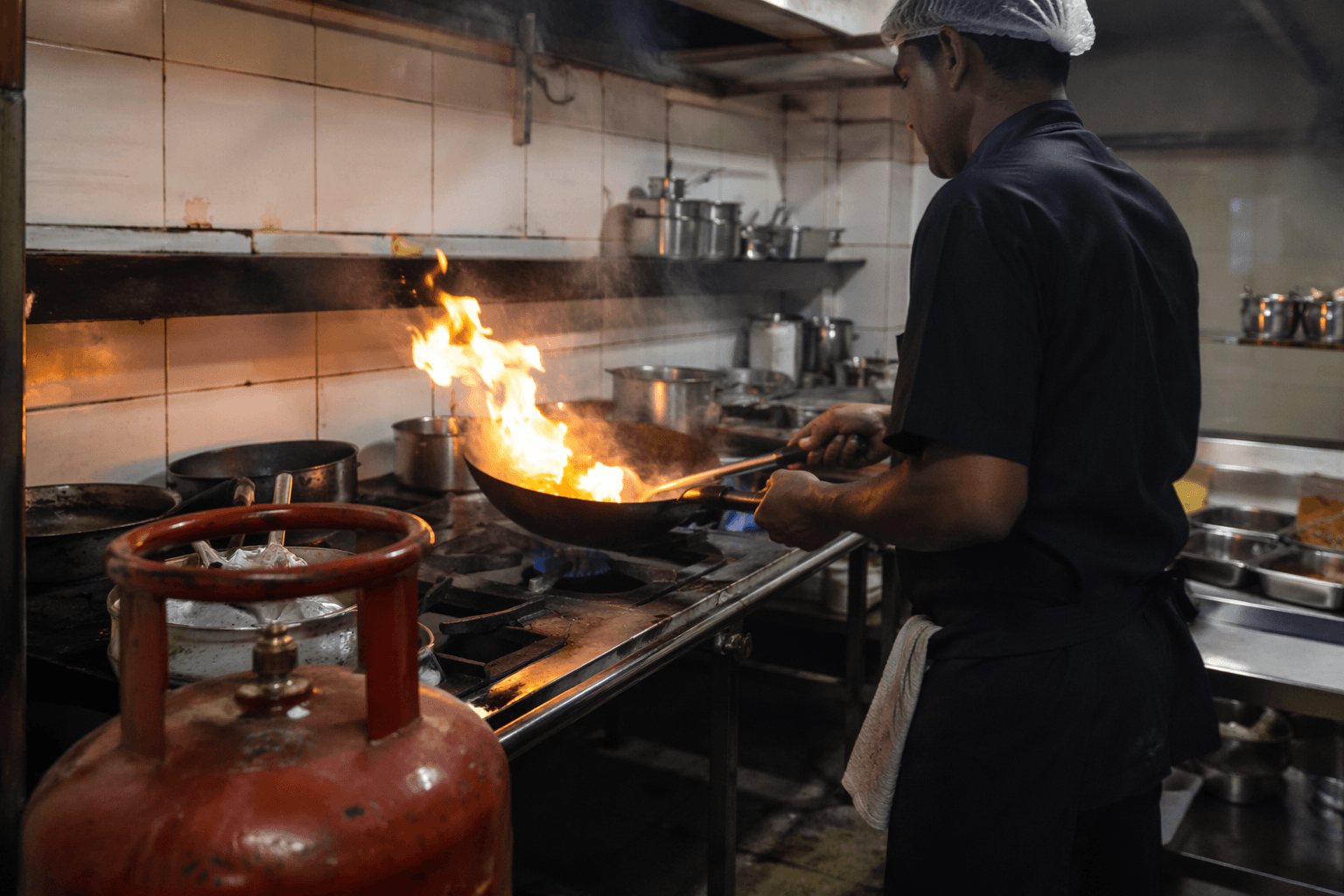
Steps Employees and Managers Should Take During Restaurant Workplace Disruptions
When a health closure, fire, criminal probe, or wage suit disrupts service, employees and managers need a short checklist that protects people, pay, and evidence, fast.
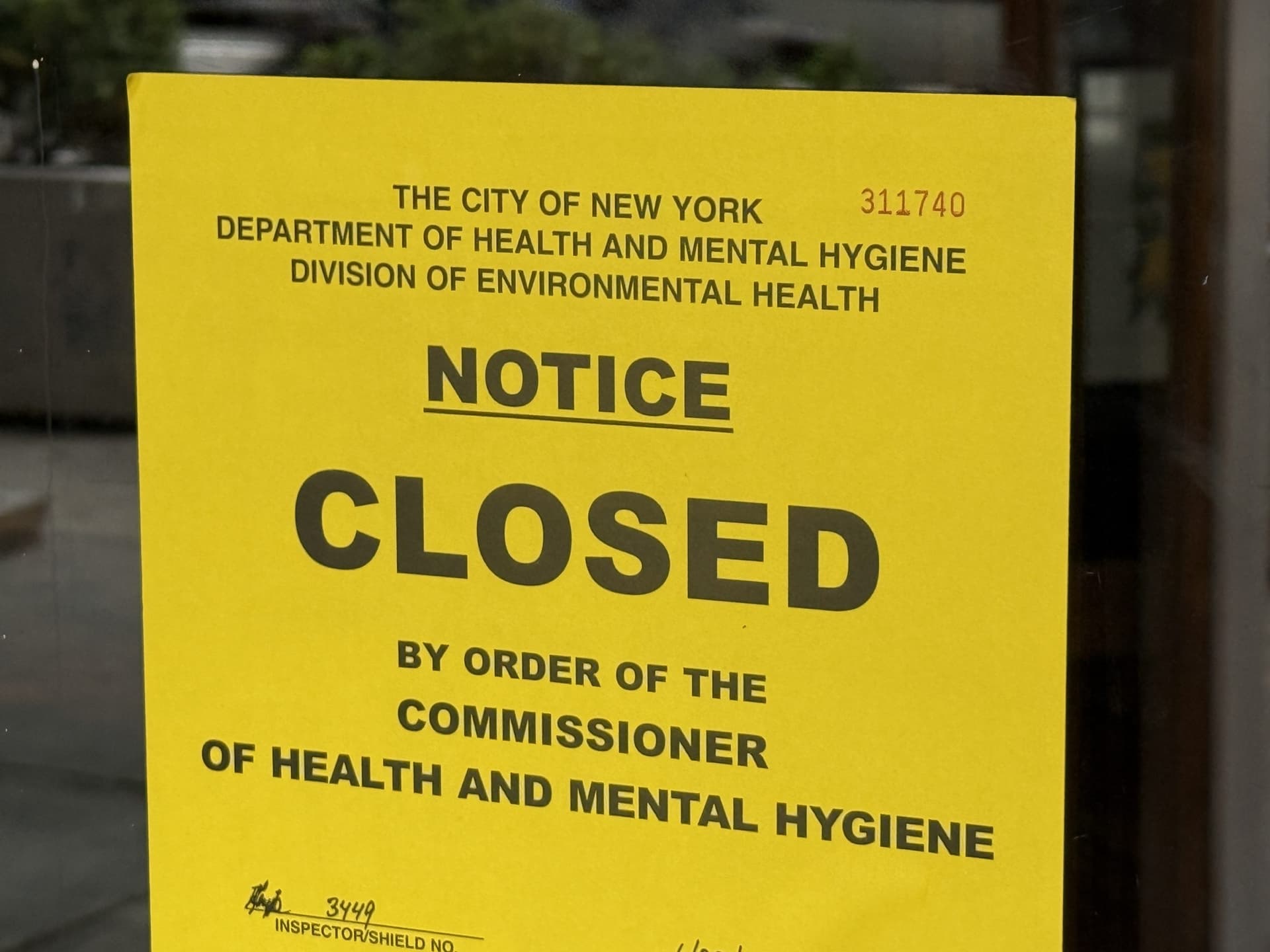
A restaurant workplace disruption, whether a health-department closure, a sudden kitchen fire, criminal enforcement involving a manager, or a wage-and-hour lawsuit, throws operations, payroll, and reputations into immediate chaos. Use the checklist below to prioritize safety, secure pay records, preserve evidence, and keep staff informed; the steps are drawn from recent enforcement and litigation trends (including a city recovery of $5.2 million for underpaid delivery workers) and the reality that silence or sloppy paperwork makes disputes worse.
1. Ensure immediate safety and account for everyone
When a fire or other acute hazard occurs, evacuate staff and guests, call emergency services, and conduct a headcount at a designated assembly point. For criminal incidents that may pose safety risks, keep staff away from the scene until law enforcement clears it and document who left, who stayed, and why. Health-department closures also can present hazards (contamination or pest infestations), treat those orders as immediate safety directives and follow on-site instructions from inspectors.
2. Preserve and snapshot payroll and time records right away
Wage-and-hour claims hinge on records; when operations stop, take electronic and paper snapshots of every timesheet, POS log, and schedule for the affected period. Make copies (PDFs or photos) of clock-in screens, online schedule exports, and any cash-pay receipts dated in the relevant weeks, these are the first items a labor investigator or private attorney will request. Remember the scale of enforcement: cities have recovered sums like $5.2 million in pay-related actions, so timely documentation matters for both defending the business and for employees seeking unpaid wages.
3. Lock down communications and preserve digital evidence
Preserve text threads, group chats, emails, and internal messaging tied to the disruption; export or screenshot conversations before they’re deleted or overwritten. Criminal enforcement involving managers often focuses on contemporaneous messages and directives, so avoid instructing staff to delete anything and instead collect records. For employee protections, document any written statements about hours, tips, or changes in pay, these digital artifacts are central in both administrative and criminal reviews.
4. Notify insurers and open claims promptly
For fires and physical-damage incidents, contact your property and business-interruption insurers immediately and follow their loss-notification timelines. Note the event date (Feb. 22, 2026 is in scope for recent cases) and provide an early inventory of damage, lost revenue, and payroll exposure; insurers will want contemporaneous documentation. Delays or incomplete notices often lead to denied or reduced coverage, so prioritize the insurer call even while handling safety and staff notifications.
5. Cooperate with regulators but avoid unsupervised statements
If the health department issues a closure or if law enforcement shows up, cooperate with inspectors and officers while protecting legal interests. Provide requested documents but do not allow managers or staff to make unsupervised statements about company policies or prior complaints; in criminal enforcement scenarios involving managers, organizations should coordinate responses through legal counsel. A measured, documented cooperation is better than an impromptu explanation that later complicates civil or criminal reviews.
6. Communicate staff-facing logistics and pay decisions clearly
Tell staff what you know, what you don’t, and what you’re doing to protect payroll, ambiguous silence breeds rumors and turnover. If you can cover employees’ scheduled shifts or provide emergency pay, state the amount and the duration in writing (email or printed memo). If pay is interrupted, document any promises, timing, and the person making them; this paperwork is crucial if the situation later becomes a wage claim or litigation.
7. Create a short-term pay plan and know legal obligations
Understand local labor laws about pay for closures and layoffs, and prepare a short-term plan for cash flow (e.g., advance pay, pooled tip distributions, short-shift reimbursements). Cities and agencies have become more aggressive enforcing pay rules; the $5.2 million recovery tied to delivery-worker pay shows regulators and plaintiffs’ attorneys will pursue unpaid wages. If your restaurant is part of a franchised brand, notify the franchisor and clarify who is responsible for payroll during forced closures.
8. Support employees with documentation to make claims
Provide employees with copies of their own time records, payroll stubs, and any closure notices, many workers need these to file unemployment or wage claims. Offer a single point of contact (HR or a designated manager) so employees aren’t left navigating agencies on their own. Practical support reduces anxious departures and demonstrates good faith during investigations or regulatory responses.

9. Coordinate legal counsel early for litigation and criminal exposure
When criminal enforcement involves managers, or when wage-and-hour litigation appears likely, secure counsel experienced in both employment law and regulatory defense. Early counsel can help preserve privileged communications, advise on what managers should say (and not say), and coordinate with insurers and external investigators. Prompt legal involvement can limit personal exposure for managers and reduce the company’s downstream liability.
10. Preserve physical evidence and secure the site
After a fire or health closure, preserve the scene as much as regulator or authority guidance allows: secure food samples, equipment logs, maintenance records, and delivery manifests in a controlled place. Label and date everything you remove and maintain a chain-of-custody log; investigators and litigators often scrutinize how evidence was handled after the event. For health-department actions, retain closure orders and inspector notes in both hard copy and scanned form.
11. Notify customers and manage the brand narrative with facts
If you must close or curtail service, post a concise factual notice at the storefront and on customer-facing channels explaining the status and expected timeline. Avoid speculative language; say “closed due to a health-department inspection” or “closed due to fire damage” and provide a trusted channel (phone or dedicated email) for updates. Clear, factual messaging minimizes misinformation, a critical step when reputational harm can follow quickly.
12. Offer employee supports for the short term
Disruptions cause financial and emotional stress; offer tangible supports where possible, emergency cash advances, connections to local relief programs, or referrals to mental-health resources. When staff are facing lost hours, specific help (a $200 advance, a referral to a city hardship fund, or documented help applying for unemployment) can keep your team intact. A documented support plan also strengthens the company’s posture in regulatory reviews and community relations.
13. Run an after-action review and update playbooks
Once operations stabilize, hold a formal after-action review that includes managers, frontline staff, legal counsel, and insurers to capture what worked and what failed. Update written emergency and payroll-continuity playbooks with the new lessons, who calls insurers, who exports payroll data, where physical evidence is stored. Make sure every manager has a printed emergency checklist; in practice, in-the-moment recall is unreliable after shocks like the Feb. 22, 2026 incidents.
14. Train and rehearse the plan quarterly
Practice evacuation, closure, and documentation drills so staff know roles without panic. Quarterly exercises that include a payroll-records drill and a communications-script review reduce errors when real disruptions occur. Regular training also signals to regulators and courts that the business takes compliance and safety seriously.
- Keep an up-to-date digital archive of the last 24 months of payroll and tip-distribution records.
- Assign a single incident lead and an HR contact for employees to reduce conflicting messages.
- Photograph and timestamp closure notices, inspection reports, damage, and any removed evidence.
- Contact insurers and legal counsel within 24 hours of a disruption to preserve coverage and privilege.
Quick reference tips
Conclusion Disruptions in restaurants are inevitable; what separates recoverable incidents from costly legal and reputational damage is how quickly managers and employees secure safety, preserve records, and communicate clearly. With a repeatable checklist, safety, documentation, legal coordination, employee supports, and an after-action review, you protect people and the business. Today’s enforcement landscape, exemplified by multi-million-dollar recoveries, makes those first 48 hours decisive; treat them as your most important shift.
This article was produced by Prism’s automated news system from verified source data, official records, and press releases, then run through automated quality and moderation checks before publishing. The system is built and supervised by the people who set the standards it runs under. Read our full AI policy.
Did this article answer your question?