The Loop West End granted time off; one server terminated after protest
The Loop West End granted time off to dozens who requested it for a protest against ICE, and one server was terminated after participating, raising concerns about worker rights and workplace policy.
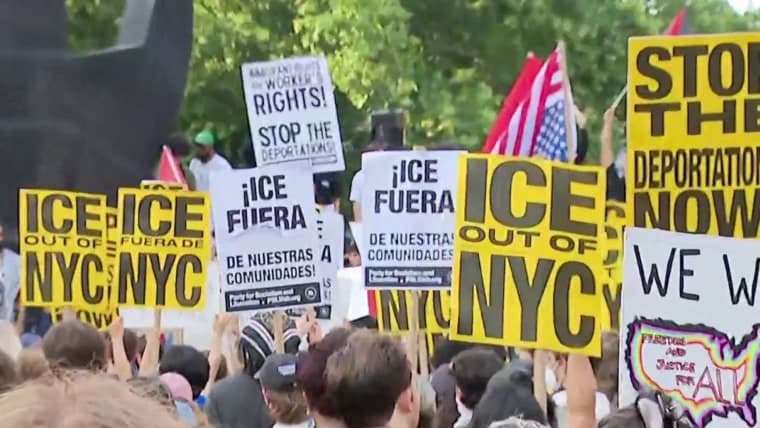
The Loop West End said it granted time off to dozens of employees who requested leave to take part in a statewide "Day of Truth and Freedom" protest against ICE, while acknowledging that one server was terminated after the event. The developments followed social-media posts alleging that multiple employees had been fired for attending the protest on January 28, 2026.
Ownership moved quickly to push back on the broader firing claims, posting an official statement that framed the time off as approved for staff who sought it. The statement also confirmed a single termination, but did not specify whether that action was directly tied to protest participation or to other workplace issues. Social-media accounts had portrayed a wider pattern of discipline, prompting scrutiny of The Loop West End’s handling of the situation.
For restaurant workers, these events cut to familiar tensions between off‑clock activism and on‑the‑clock obligations. Dozens of staff requesting time off for the same civic action can create scheduling gaps on short notice, affect tip pools and shift coverage, and force managers into rapid staffing choices. How management frames approvals, denials and any discipline matters to morale on the floor and to back-of-house and front-of-house relations.
The incident also raises workplace law questions that many service workers watch closely. Collective action outside the employer’s premises sometimes intersects with protections related to concerted activity, and alleged retaliation for protest participation can draw attention from worker advocacy groups and labor regulators. At the same time, employers have staffing and operational concerns that lead them to set and enforce attendance and performance standards.

The public dispute unfolded in a social-media environment where allegations spread widely before full details were disclosed. That dynamic increases reputational risk for restaurants, which rely on community goodwill and steady staff rosters. For managers at The Loop West End, the episode is likely to prompt a review of how time-off requests tied to political or civic events are processed and communicated to avoid ambiguity.
Employees should document communications about time-off requests and any discipline, and consider consulting workplace advocates or labor authorities if they believe they faced retaliation. Employers in the restaurant sector should review written policies, ensure consistent enforcement, and communicate reasons for employment actions clearly to minimize confusion and preserve trust on the shift schedule.
This episode at The Loop West End underscores the crossroads between civic engagement and service work: as activism draws workers off the floor, restaurants must balance operational needs with transparent policies and legal obligations, and workers will be watching how consistency and consequences play out next.
Know something we missed? Have a correction or additional information?
Submit a Tip