Twin Cities Immigration Raids Disrupt Restaurants, Trigger Staff Shortages and Fewer Diners
Immigration enforcement in the Twin Cities caused sudden staff shortages and fewer diners, disrupting shifts, delivery service, and worker incomes.
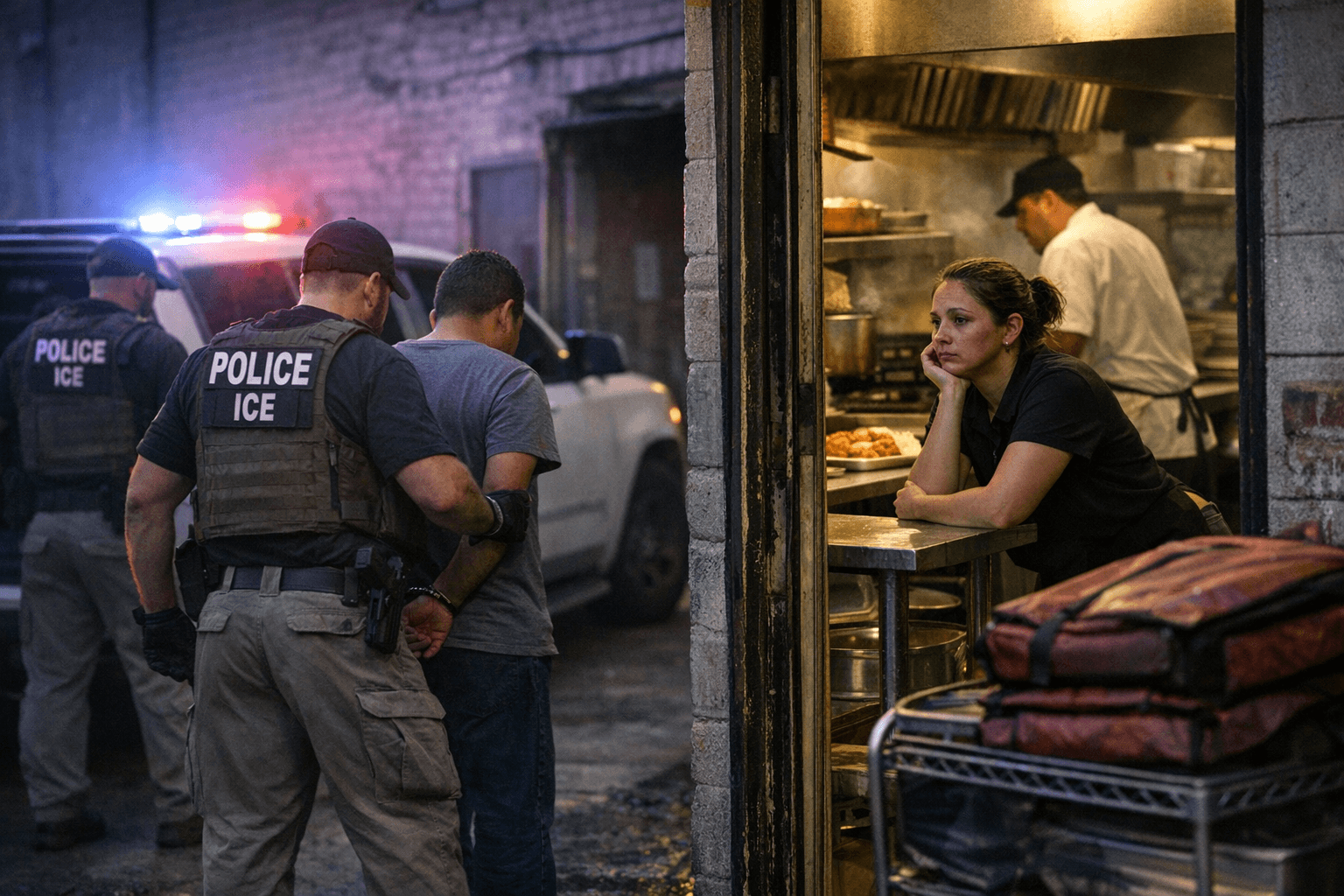
Large-scale immigration enforcement in the Twin Cities on Jan. 21 left many immigrant-run and -staffed restaurants scrambling to cover shifts and serve customers. Owners and managers reported whole shifts where only managers were on site, delivery drivers declined orders, hours were cut, and foot traffic fell as community fear kept diners away.
The enforcement actions removed key front-line workers overnight through detentions and prompted other employees to stay home out of fear of exposure. That sudden absenteeism reduced shift coverage across a range of foodservice operations from small neighborhood taquerias to family-run lunch counters. With fewer staff available, some kitchens limited menus, closed earlier than usual, or suspended delivery service, further suppressing revenue on already thin margins.
The immediate impact landed hardest on workers and small business owners. Employees who stayed away lost hours and wages; detained workers faced the loss of pay and uncertainty about their jobs. Managers who remained had to absorb additional duties, cover multiple stations, and make on-the-spot operational cuts to keep restaurants open. Those adjustments strained morale and heightened burnout among remaining staff, complicating scheduling in the days that followed.
The hit to customer demand compounded operational challenges. Delivery drivers declining orders left restaurants unable to fulfill online demand, and patrons avoided busy corridors and dining rooms, reducing cover counts. Reduced service levels and erratic hours undercut repeat business and complicated staffing forecasts for the coming weeks.
These disruptions illustrate how enforcement actions ripple through local economies. Restaurants depend on reliable schedules, cross-trained crews, and predictable customer flows; when a core segment of the workforce is suddenly missing, the entire service model falters. Small employers with limited cash reserves reported making immediate triage decisions - cutting hours, trimming menus, and relying on managers to run multiple shifts - that may have long-term consequences for staff retention and customer loyalty.
For restaurant operators, the current episode underscores the need to build contingency plans for sudden workforce disruptions, including cross-training, flexible scheduling, and communication channels that can reassure staff and customers. For workers, disrupted shifts mean immediate lost income and longer-term uncertainty about employment stability.
If enforcement activity continues or recurs, expect further strain on hours of operation, delivery availability, and staffing levels across the Twin Cities foodservice sector. Restaurants and workers will need to adapt operations and community outreach to stabilize service and protect livelihoods in the weeks ahead.
Know something we missed? Have a correction or additional information?
Submit a Tip