Starbucks spotlights destination stores designed to feel local worldwide
Starbucks’ showpiece cafes are also harder shifts, where local design, tourism traffic and premium expectations put new pressure on staffing and service flow.
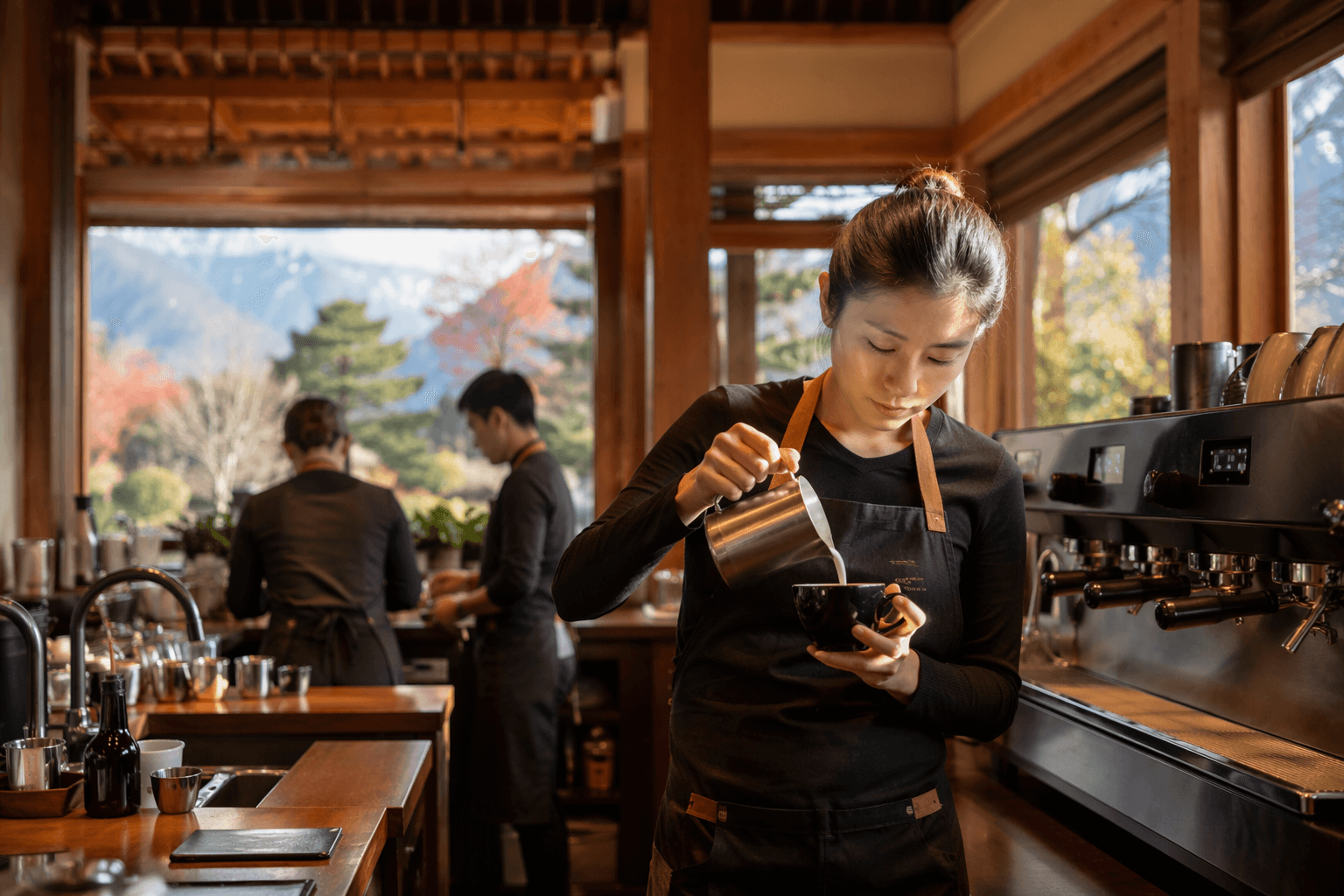
Inside Santiago Bernabéu Stadium, Starbucks Bernabéu in Madrid spans almost 10,000 square feet across two floors. Starbucks is using eight destination coffeehouses to show how a store can feel local and still carry the same brand anywhere, a formula that turns architecture into part of the service model and changes the job for the people behind the bar.
A landmark store changes the labor math
That strategy sits inside Starbucks’ broader reset toward a warmer, more community-rooted coffeehouse. Starbucks is bringing back thousands of seats, adding more power outlets, restoring condiment bars and leaning into Green Apron Service, while more than 1,000 coffeehouses are slated for uplift by the end of 2026. For store leaders, that means the floor plan is no longer just décor. It shapes how long guests stay, how often they linger after ordering, and how much work it takes to keep handoff clear when the room starts to fill.
Madrid and Paris set the premium tone
Starbucks Bernabéu in Madrid is the clearest example of how far Starbucks is willing to go. The flagship includes a digital arch, a mixology area, lounge seating, a tasting room and a mural that ties the space to Madrid. Starbucks staffed the location with 65 new coffee specialists, including Coffee Masters who lead personalized sessions and exclusive events, which signals a different labor profile from a standard cafe: more training, more explanation, more time spent on hospitality theater. Boulevard de Capucines in Paris pushes the same idea in a different register, with grand chandeliers, ornate ceilings and the kind of atmosphere that tells guests to sit longer and expect more than a quick cup.
Brussels, London, Casablanca and Bergen each ask for a different kind of service
Grand Place in Brussels sits under gilded columns and among 17th-century trade guild buildings, so the store has to function as both a coffee shop and a waypoint inside a tourist zone packed with people who are there to look around as much as to order. Battersea Power Station in London leans on Art Deco heritage and an industrial material palette that echoes Turbine Hall A, which makes the store feel more like a destination built for sightseeing than a quick caffeine stop. Villa Casablanca turns a former residence into a Moroccan-inspired coffeehouse with shaded outdoor seating, greenery and a fountain, while Kjøttbasaren in Bergen uses a restored 1870s landmark, green awnings and its location near Bryggen and the Fløibanen funicular to frame the store as part of the city’s walking route. In all four cases, baristas are managing more than transactions: they are answering questions, directing traffic and smoothing the gap between a local landmark and a global chain.
Buenos Aires shows how Starbucks wants the room to feel familiar
The Unicenter Starbucks in Buenos Aires captures the balance Starbucks is chasing. Starbucks arrived in Argentina in 2008, tapping into the country’s coffee culture and slow, social cafe tradition, and the Level 1 store uses cozy banquette seating that nods to a vintage train compartment. That is the same kind of design logic Starbucks wants to export across 90 markets: recognizable enough that travelers know they are in Starbucks, but specific enough that the store feels rooted in its neighborhood or city. It changes the questions partners get from guests, the pace of the line, and the amount of wayfinding needed when tourists, commuters and sit-down customers all hit the store at once.
What it means for baristas, supervisors and managers
On the floor, destination stores reward a different rhythm. A standard cafe has to move drinks fast; a flagship has to do that while also handling more lingering, more photos, more questions about the building and more pressure to deliver a polished brand experience that still feels warm. That puts extra weight on staffing, shift coverage, training and handoff presentation, especially in stores where workers are already weighing pay, tips and hours against what Starbucks expects from the room.
This article was produced by Prism’s automated news system from verified source data, official records, and press releases, then run through automated quality and moderation checks before publishing. The system is built and supervised by the people who set the standards it runs under. Read our full AI policy.
Did this article answer your question?