Chicago updates Fair Workweek rules, affecting Taco Bell schedules
Chicago Taco Bell crews now have a 14-day schedule window, and clopening shifts under 10 hours can be refused or paid at 1.25 times regular pay.
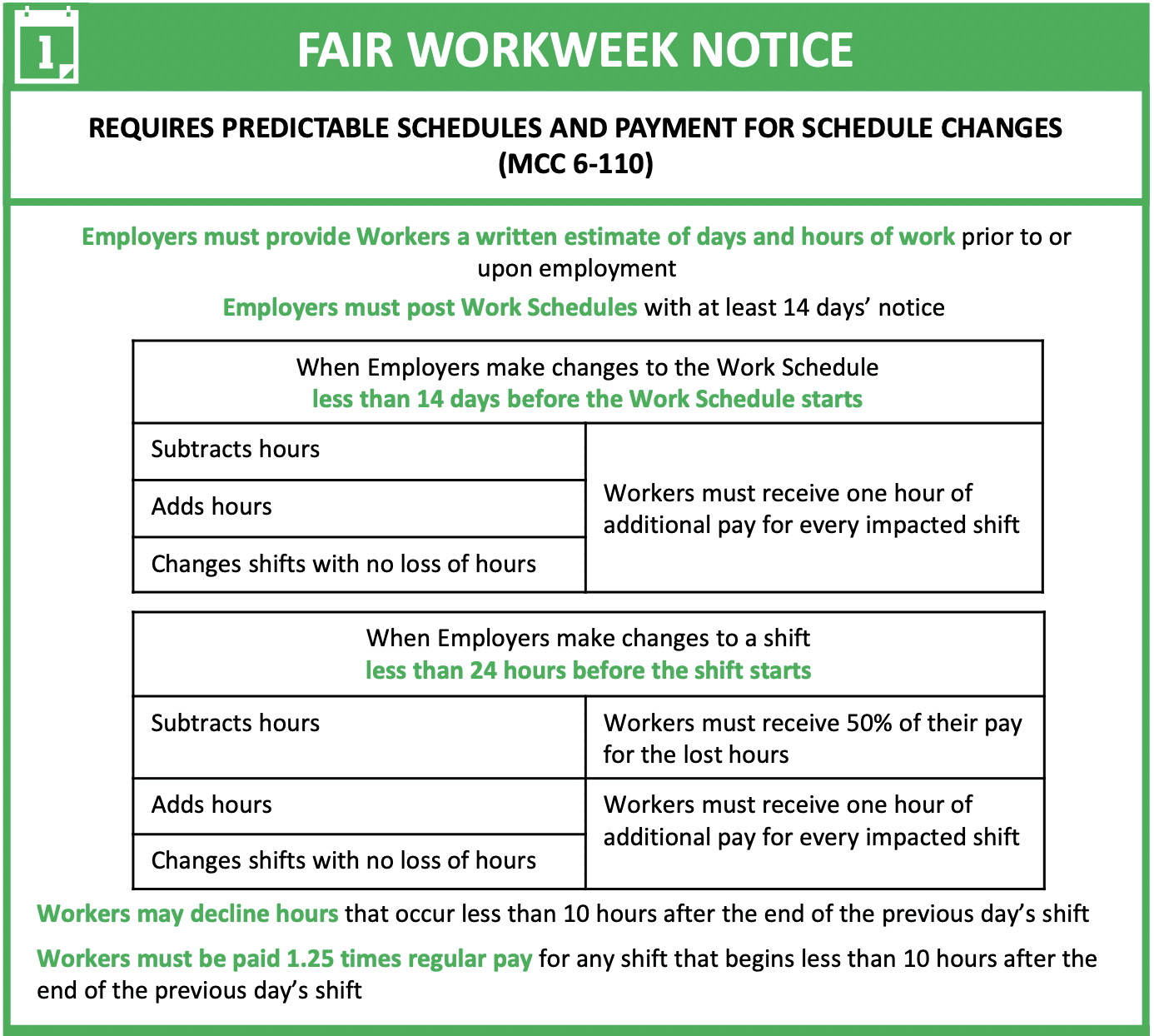
Chicago Taco Bell workers now have a sharper line on when a schedule change is allowed, and when a manager has to pay for it. The city’s updated Fair Workweek and paid leave rules took effect on June 1, after Chicago published the changes on May 18 and the Office of Labor Standards held webinars in English on May 19 and in Spanish on May 21.
For a crew member or shift lead, the biggest day-to-day change is simple: schedules must be posted at least 14 days in advance. A manager cannot treat next week’s lineup like a last-minute group text and call it settled. The city’s notice also says covered workers are entitled to a written estimate of days and hours of work when they are hired, plus a notice about minimum wage, Fair Workweek, paid leave, and retaliation protections with the first paycheck and again every year within 30 days of July 1.
The clopening problem is where the rule gets personal. If a Taco Bell worker closes at 11 p.m. and is asked to come back at 7 a.m. the next morning, that is less than 10 hours between shifts. Chicago says the worker can decline those hours, and if the shift is worked anyway, it may require 1.25 times regular pay. That turns a favor for the store into a wage issue, which is exactly why shift leads need to document who asked, who approved, and whether the change was voluntary.
The same update lands alongside the city’s current minimum wage notice. For employers with four or more employees, Chicago’s July 1, 2026 minimum wage is $17.05 an hour. That matters for Taco Bell workers already watching hourly pay debates, because the city is pressing both sides of the paycheck at once: the base wage floor and the cost of unpredictable scheduling.
Chicago’s Fair Workweek ordinance is not new. City Council passed it on July 24, 2019, and it became effective on July 1, 2020. The June 2026 update sits inside a longer labor regime that applies to certain industries, including restaurants, and can cover employers with 250 employees and 30 locations. The city also says franchisees with more than three locations may be employers under the ordinance, which puts many larger Taco Bell operators in Chicago squarely in view.
For restaurant managers, the practical response is not complicated: post early, track changes, and train leaders so “can you just cover this?” does not become a Fair Workweek violation. For Taco Bell crews, the new rules make the weekly schedule more than a planning sheet. In Chicago, it is a paycheck document.
This article was produced by Prism’s automated news system from verified source data, official records, and press releases, then run through automated quality and moderation checks before publishing. The system is built and supervised by the people who set the standards it runs under. Read our full AI policy.
Did this article answer your question?