Taco Bell sales dip after cyclospora outbreak sparks food-safety concerns
A cyclospora probe tied to shredded lettuce at Taco Bell stores in five states rattled crews and sent Yum Brands shares down 4.5% before analysts said the sales hit should fade.
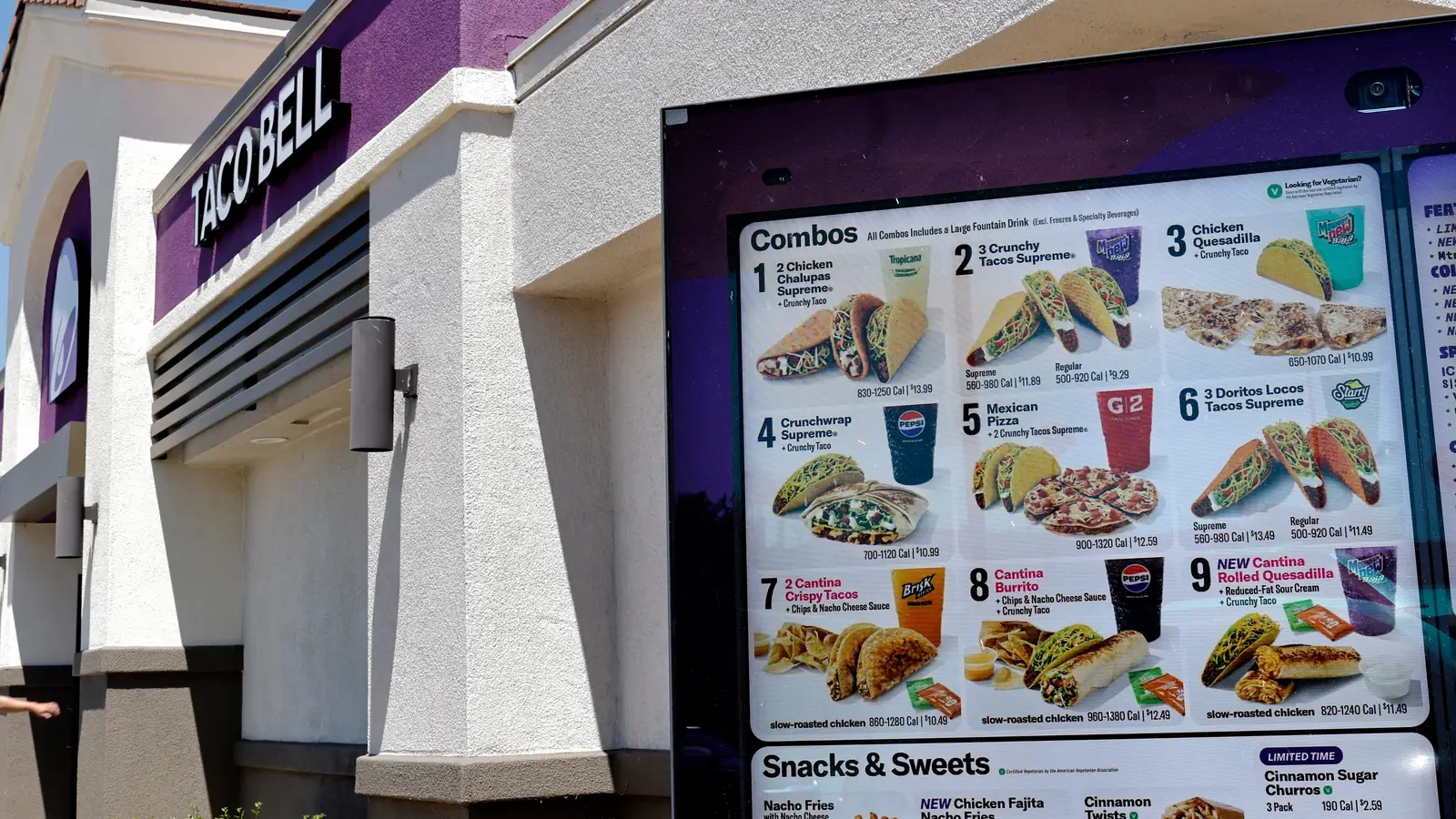
Taco Bell removed select items from its menu after federal and state health officials investigated whether lettuce served at the chain may have been tied to a cyclosporiasis outbreak, a move that quickly hit the store level and sent Yum Brands shares down as much as 4.5%. For crews and shift managers, that kind of precaution can mean reworked prep schedules, more customer questions at the counter, and tighter checks on what comes through the receiving door.
The public health response spread across multiple states. The CDC and FDA treated the episode as part of a multistate Cyclospora outbreak, and ABC News identified Taco Bell-linked locations in Indiana, Kentucky, Michigan, Ohio and West Virginia. Reuters later linked lettuce supplied by Taylor Farms to the outbreak reporting, and FDA investigators were still focused on Taylor Farms as cases mounted on July 20.
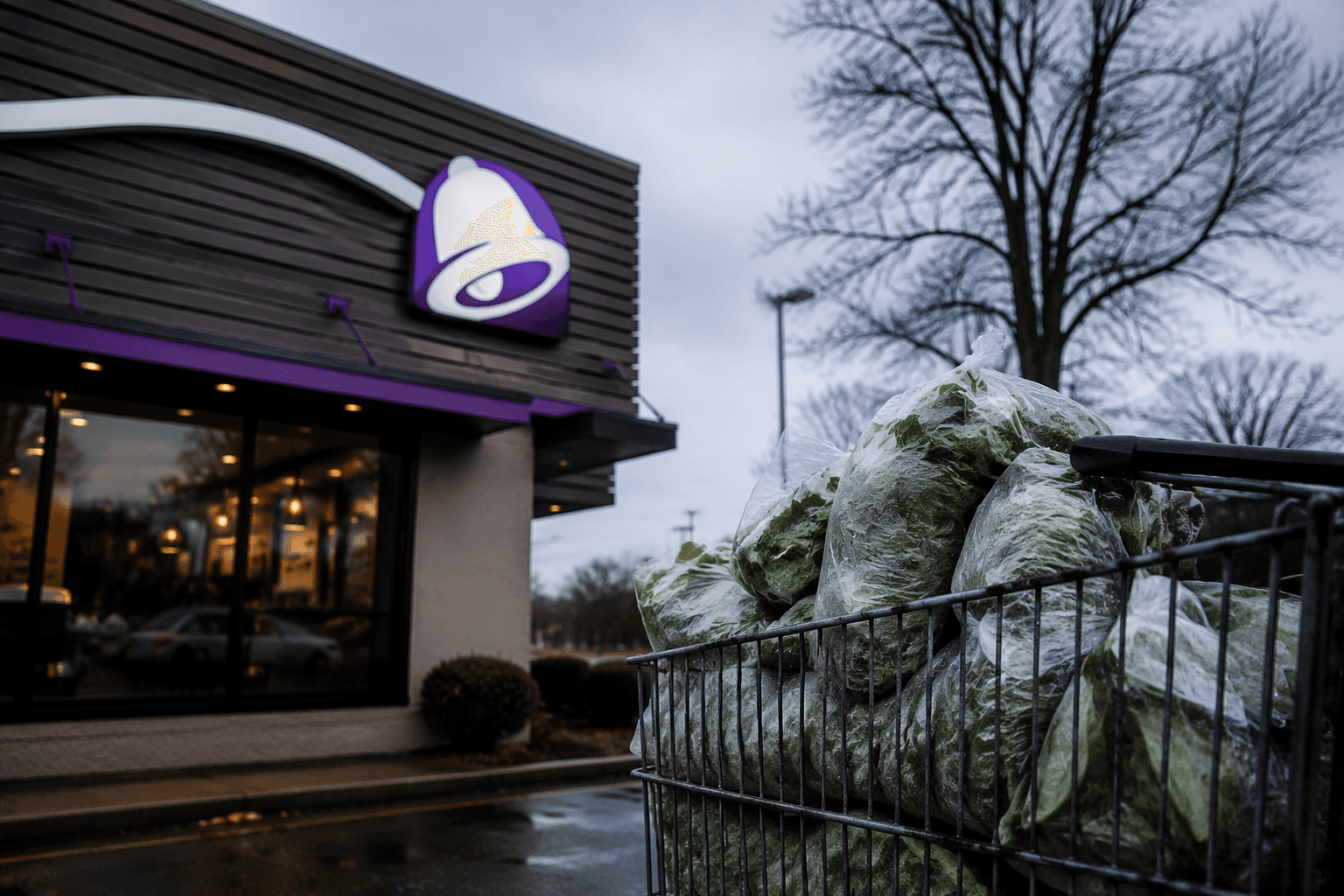
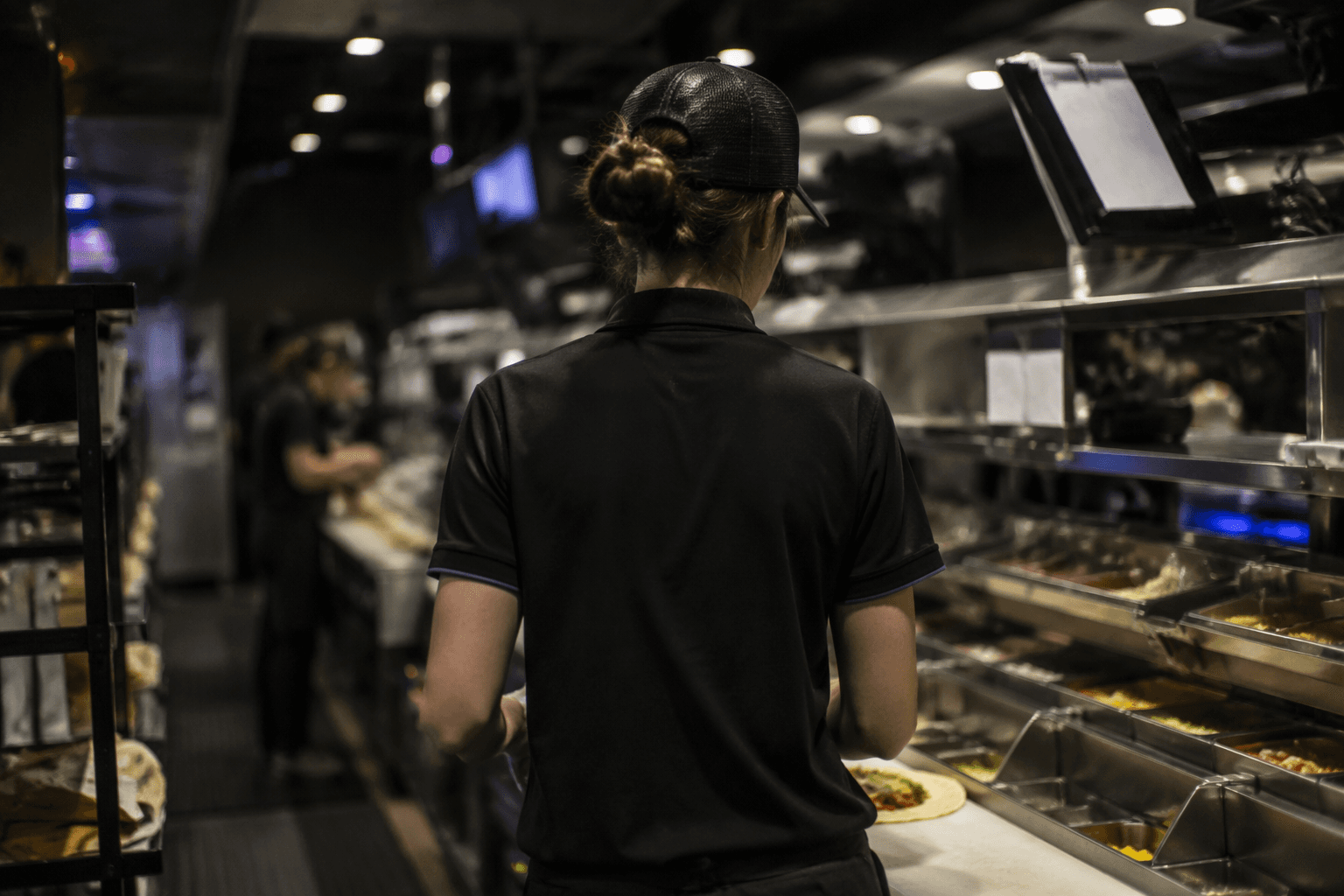
Inside stores, the fallout is usually immediate even before investigators finish tracing the source. Crew members and shift leaders are the ones who explain why an item disappeared, handle the extra line checks and make sure disposal logs and dating procedures are clean if product has to be pulled. Managers can also end up adjusting prep plans and receiving procedures on the fly, while trying to keep the team from feeling blamed for a supply-chain problem that started far upstream.
That pressure matters because food-safety scares can change the pace of a shift just as quickly as they shake investor confidence. A precautionary pullback can slow production, increase waste and add more sanitizer, glove and handwashing checks across a daypart. If the company responds fast and gives stores clear direction, the disruption usually stays contained. If the response lags, confusion tends to land on the people in the restaurant first.
Analysts said the sales hit from the cyclosporiasis scare was likely to be short-term rather than lasting, a view that lines up with Taco Bell’s size and recent sales momentum. An S&P Global presale note said U.S. systemwide Taco Bell sales rose 40% to $16.8 billion as of June 30, 2025, from $11.6 billion in August 2021. That scale is part of why even a short food-safety scare can show up fast in franchise operations, labor planning and product ordering.
Yum Brands was already dealing with pressure before the outbreak scare. Reuters reported in August 2025 that the company had missed second-quarter estimates amid muted demand and higher ingredient costs, making a quick, clear response to the lettuce investigation even more important for stores trying to avoid another round of operational strain.
This article was produced by Prism’s automated news system from verified source data, official records, and press releases, then run through automated quality and moderation checks before publishing. The system is built and supervised by the people who set the standards it runs under. Read our full AI policy.
Did this article answer your question?