Taco Bell retention hinges on pay, benefits and promotions
Taco Bell stores keep people when pay, benefits and a real path up line up with schedule stability. A 17% retention gain at company-run stores shows the lever managers watch.

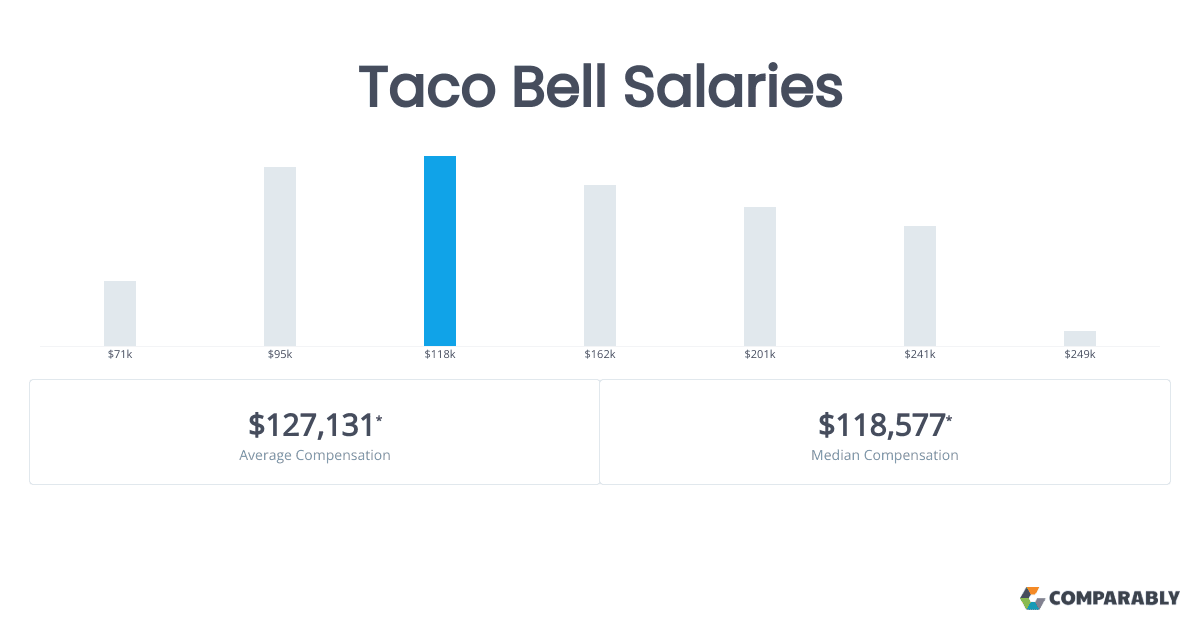
In Easton, Massachusetts, a Taco Bell careers posting listed an assistant general manager role with a competitive salary of $46,000 to $52,000. Taco Bell’s retention problem is a store-level staffing problem: can a crew member afford to stay, can a shift lead build a schedule around the job, and can an assistant manager see a real path forward? Operators point to the same three levers again and again, pay, benefits and promotion, because those are the factors that decide whether a restaurant stays fully staffed or spends the week scrambling.
What actually keeps Taco Bell workers
The food and beverage serving sector lost nearly 33,000 jobs in June, a reminder that restaurant employers are still competing for the same hourly workers, shift leads and managers. For Taco Bell, that matters at every level of the operation, from the first cashier shift to the person running the line on a Friday night.
Pay is the first test, but not the only one
Compensation is still the clearest lever. Working at Taco Bell can include flexible schedules and growth opportunities, but workers usually judge the offer by the weekly paycheck first. A competitive rate only matters if it matches the realities of rent, gas and childcare, especially in high-turnover restaurants where a few extra dollars an hour can decide whether someone stays.
Pay becomes more meaningful when it is tied to a step up, not just an entry-level seat. That kind of posting gives crew members a concrete benchmark for what advancement can look like beyond hourly work.
Promotion only works when the ladder is visible
The strongest retention lever for restaurant teams is often a path they can actually see. Taco Bell’s hiring pipeline includes roles such as Shift Lead and Assistant General Manager, and that matters because workers do not usually leave over one bad week, they leave when the next step feels out of reach. If a crew member can picture moving from service to trainer, then to shift lead, then into management, the job starts to look like a career instead of a stopgap.
A separate Taco Bell careers posting in Twentynine Palms, California listed a Shift Lead role, the kind of intermediate position that can keep strong hourly workers from drifting away.
Benefits are part of retention, not a bonus on top
Benefits matter when they make the job easier to keep. Taco Bell expanded education benefits in 2025 and linked that move to improved employee retention. Education support can help a team member stay long enough to qualify for better roles, but only if the schedule, pay and workload are also workable.
In August 2023, the company said it was prioritizing a people-first team member experience as part of its growth strategy. Earlier, in April 2021, the chain was boosting benefits as a labor shortage hampered recovery efforts.
Corporate scale makes retention a system issue
Taco Bell has more than 9,000 restaurants in 35+ countries and territories, and in 2025 it reported total system sales of $18.361 billion. That scale means a retention problem at one restaurant can turn into a brandwide management issue if enough stores struggle to keep trained people.
Franchise operations make that even more important. Flynn Group entered the Taco Bell system in 2013 and now operates over 280 restaurants in 9 states. That is a big enough footprint to show how much of the Taco Bell labor model depends on franchisees making day-to-day decisions on wages, schedules, training and promotion.
What managers should read into the numbers
Taco Bell said in 2025 that retention at company-run stores improved 17 percent. For restaurant managers, the lesson is straightforward: if retention improves, the store gets more experienced workers, fewer gaps in the schedule and less time spent training replacements.
For shift managers, the most useful lesson is that support systems matter as much as base pay. Better onboarding, cross-training and clear promotion criteria can keep people engaged long enough to grow into higher-responsibility roles.
This article was produced by Prism’s automated news system from verified source data, official records, and press releases, then run through automated quality and moderation checks before publishing. The system is built and supervised by the people who set the standards it runs under. Read our full AI policy.
Did this article answer your question?