Driverless trucks could make Taco Bell deliveries more predictable, efficient
Driverless Dallas-Houston truck runs could trim late deliveries at Taco Bell, tightening prep windows and reducing last-minute ingredient swaps.
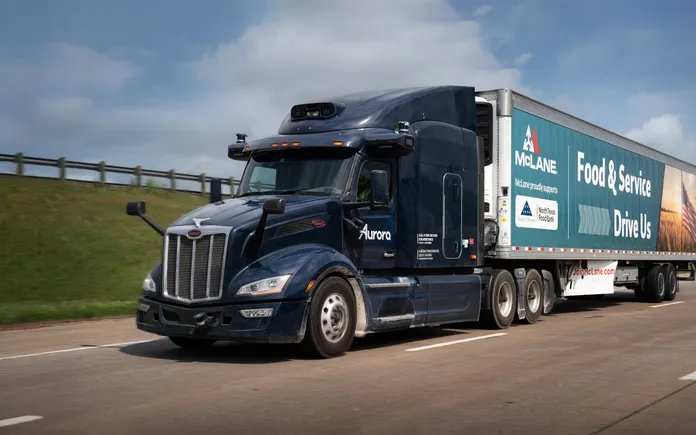
The biggest change for Taco Bell crews may not be a robot in the parking lot. It may be a truck that shows up when it is supposed to, with less of the dock-side chaos that turns a normal shift into a scramble.
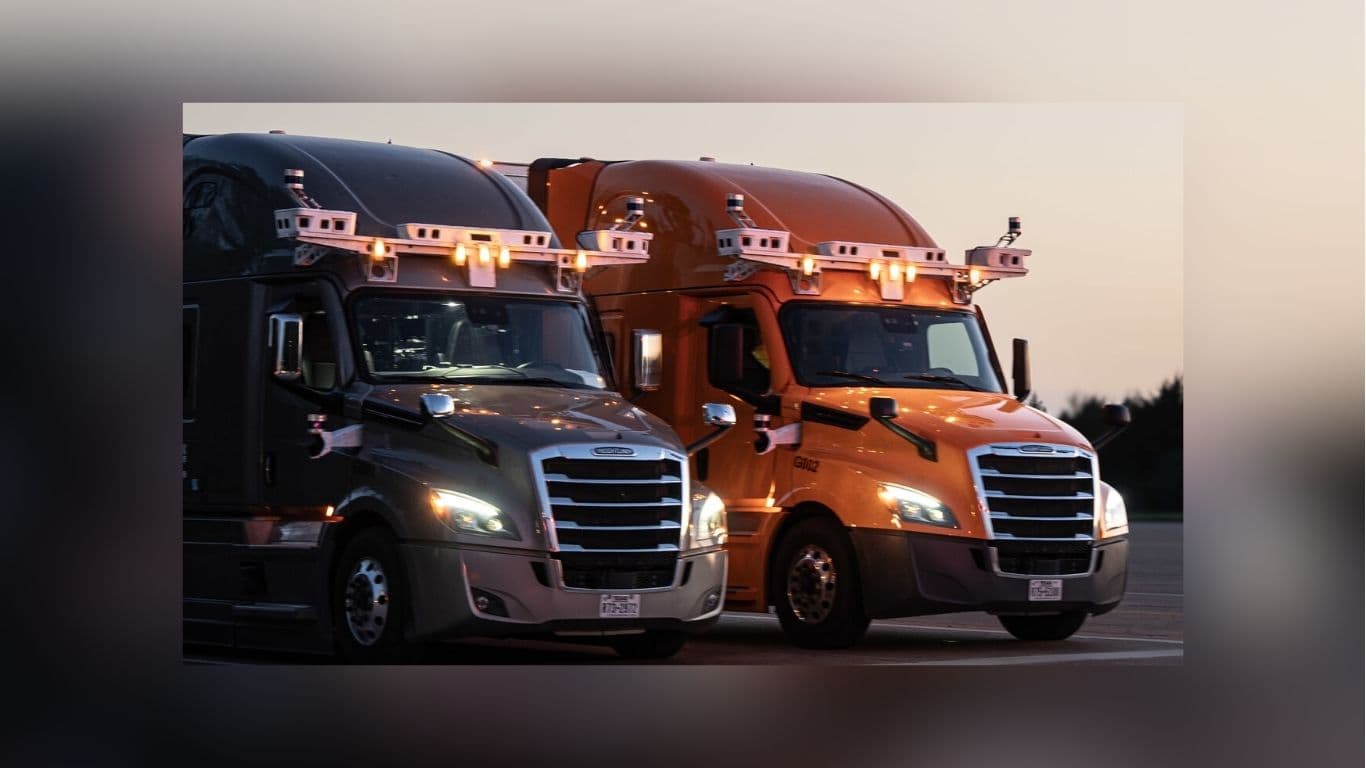
McLane Company said it has started driverless operations on the Dallas-Houston corridor after a supervised pilot with Aurora Innovation that began in 2023. During that test, Aurora said its system logged more than 280,000 autonomous miles in Texas and delivered 1,400 loads for McLane, with McLane calling the result 100% on-time performance. That is the kind of number restaurant managers notice fast, because delivery timing drives what happens in receiving, prep, and the line.
For Taco Bell, the immediate effect would be more predictable freight. Fewer late trucks can mean fewer emergency substitutions, fewer calls to redistribute product between stores, and fewer moments when a manager has to decide whether to stretch inventory or change a prep plan on the fly. If McLane can keep Dallas-to-Houston runs steady, the pressure shifts from reacting to missed arrivals to keeping counts, storage space, and thaw schedules accurate enough to meet a tighter logistics system.
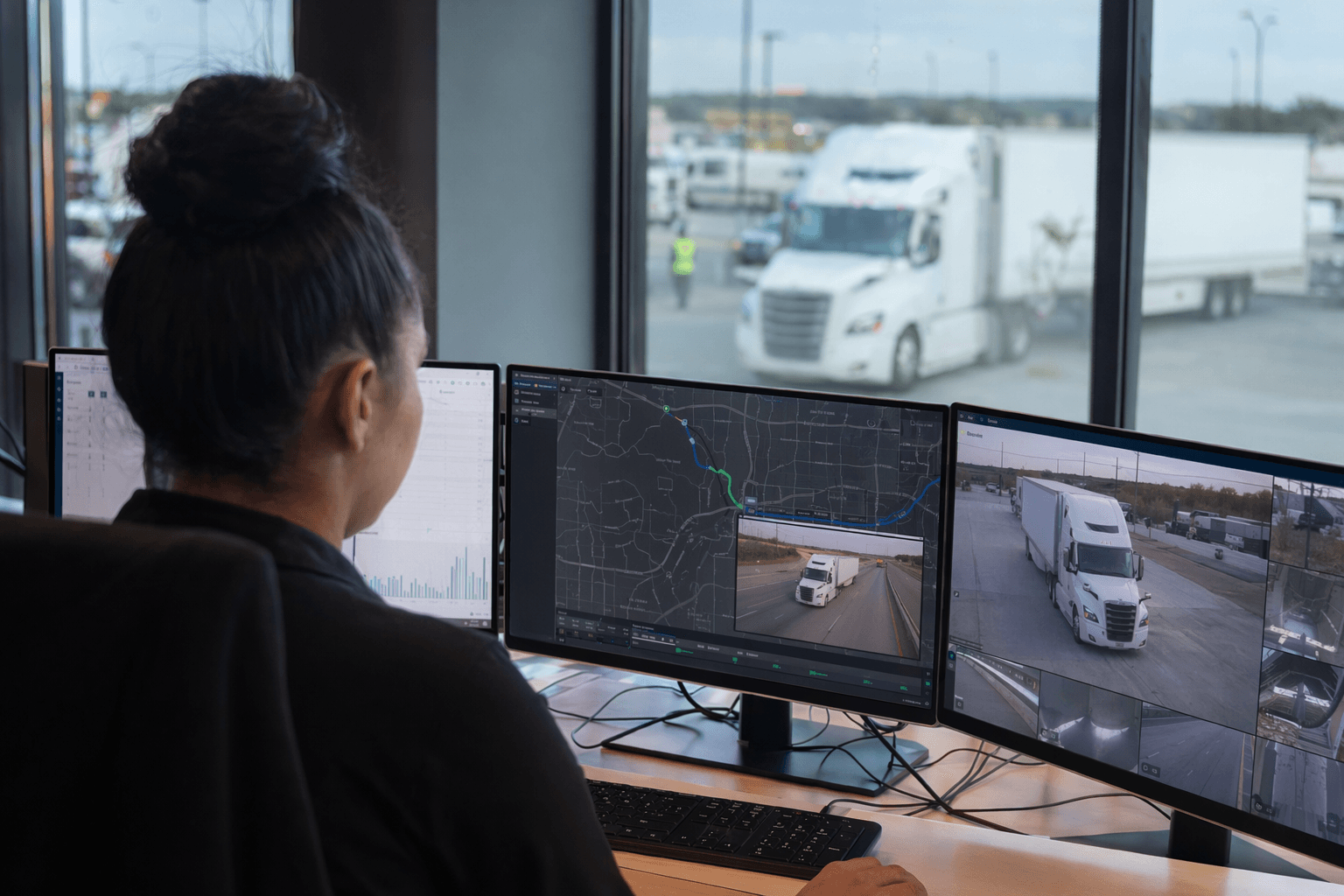
That is why this story matters beyond trucking. McLane says it serves more than 34,000 restaurants, operates more than 80 distribution centers, and employs more than 25,000 people from its headquarters in Temple, Texas. Yum! Brands says Taco Bell is one of four national brands in a global system with 63,000-plus restaurants in more than 155 countries and territories, while RSCS is the exclusive supply chain management organization for Yum! Brands and its four national restaurant brands, including Taco Bell. When one major distributor changes how freight moves in Texas, the effect can ripple through a much larger restaurant network.
Aurora said it plans to expand driverless runs to additional McLane routes across the U.S. Sun Belt by the end of 2026. That suggests the first workplace change for Taco Bell teams may be subtle but real: more reliable delivery windows, less back-of-house uncertainty, and higher expectations that stores will be ready to receive and store product with almost no slack.
The other side of that equation is discipline. A more automated supply chain can make the restaurant more efficient, but it can also make mistakes more visible. If a store is short on space, slow on counts, or off on prep forecasting, the problems may hit faster because the freight is arriving on a tighter schedule. For managers, the new era is not just about getting product delivered. It is about running the store like a precise node in a much more engineered network.
This article was produced by Prism’s automated news system from verified source data, official records, and press releases, then run through automated quality and moderation checks before publishing. The system is built and supervised by the people who set the standards it runs under. Read our full AI policy.
Did this article answer your question?