Restaurant operators push for lower swipe fees, delivery commission reform in 2026
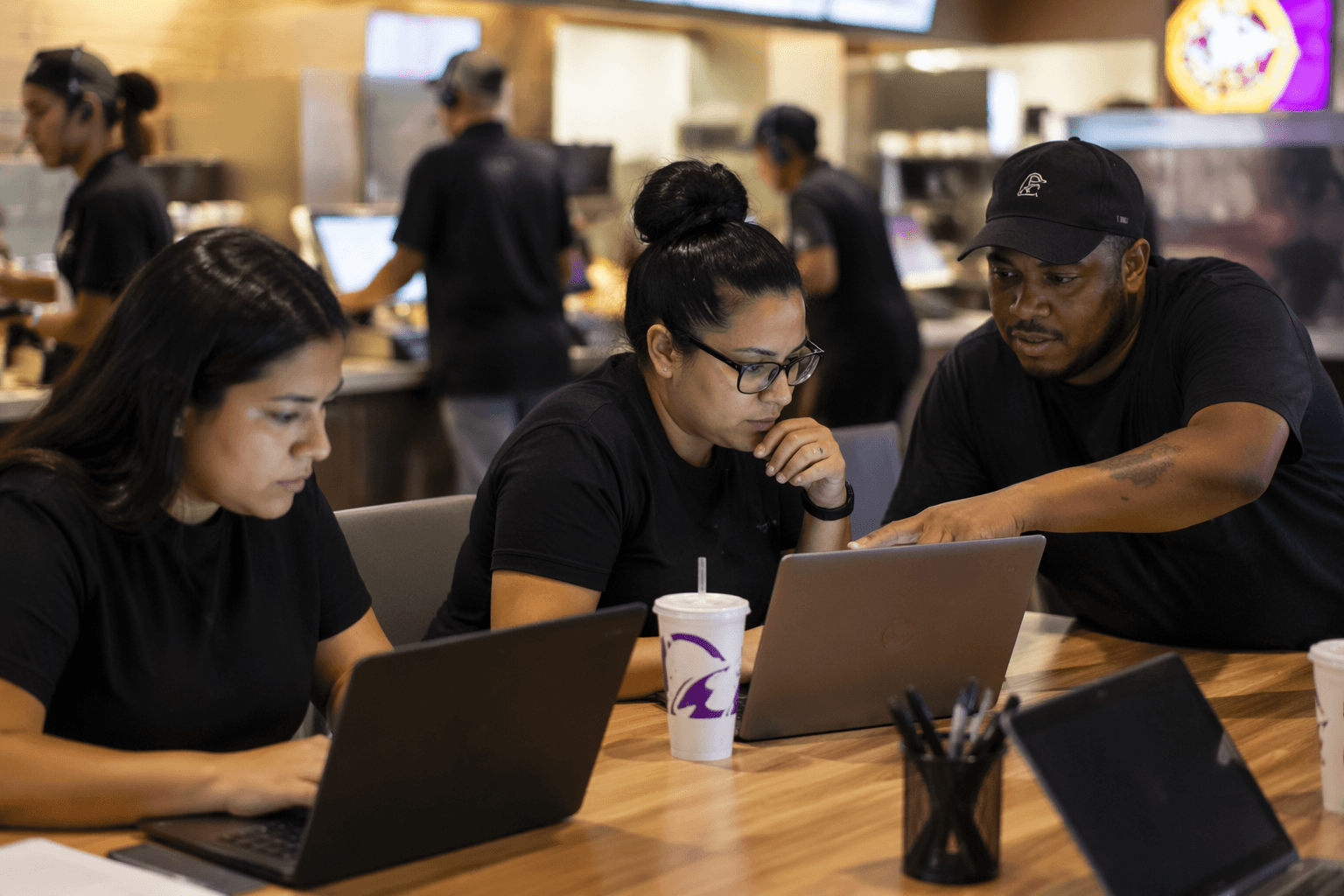
Lower swipe fees and delivery commissions could mean fewer hours, tighter promos, and more pressure on app orders for Taco Bell crews.
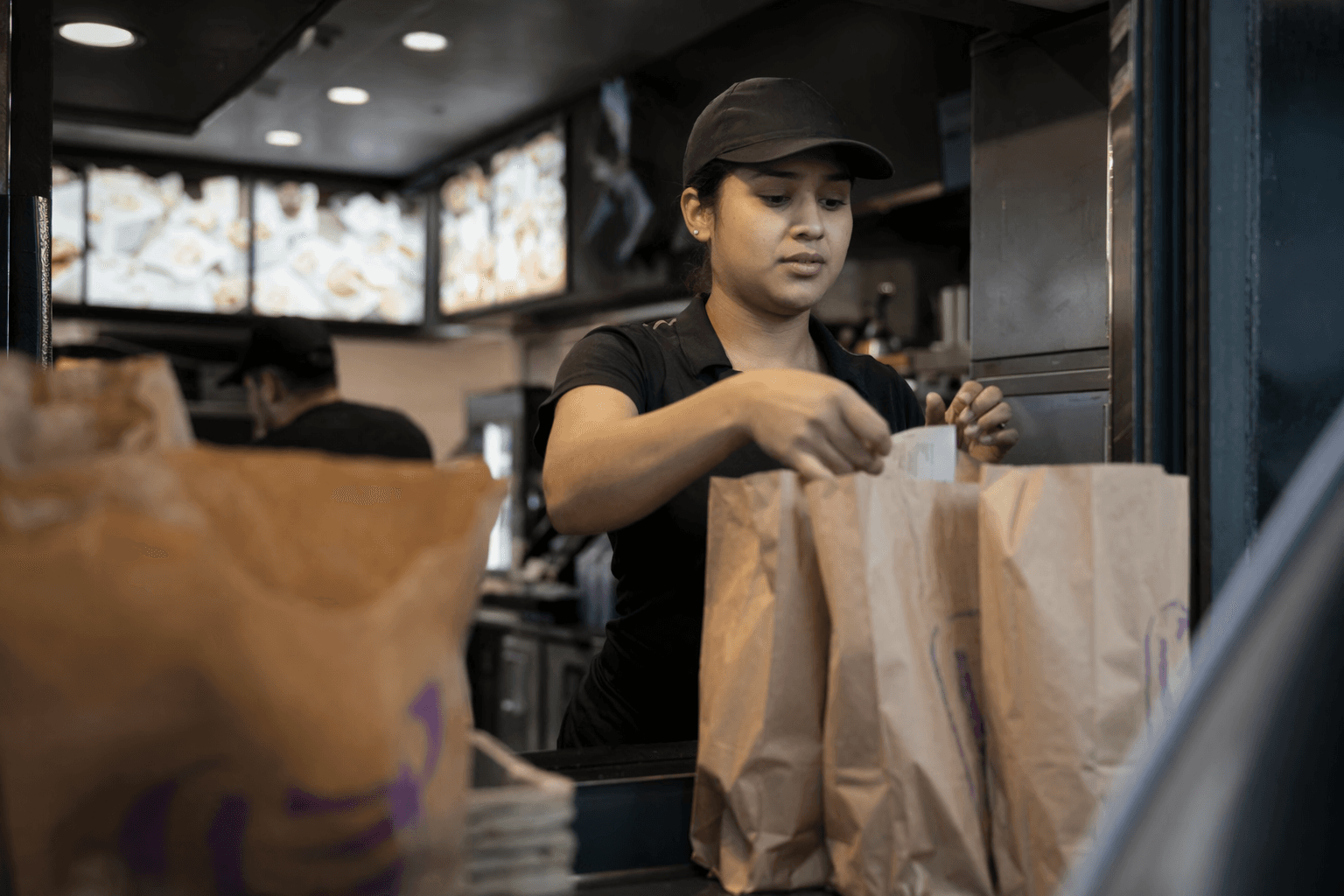
Swipe fees and delivery commissions are not just back-office headaches. For Taco Bell crews, they can decide whether a store adds labor for a rush, leans harder on app orders, or trims discounts to protect margin.
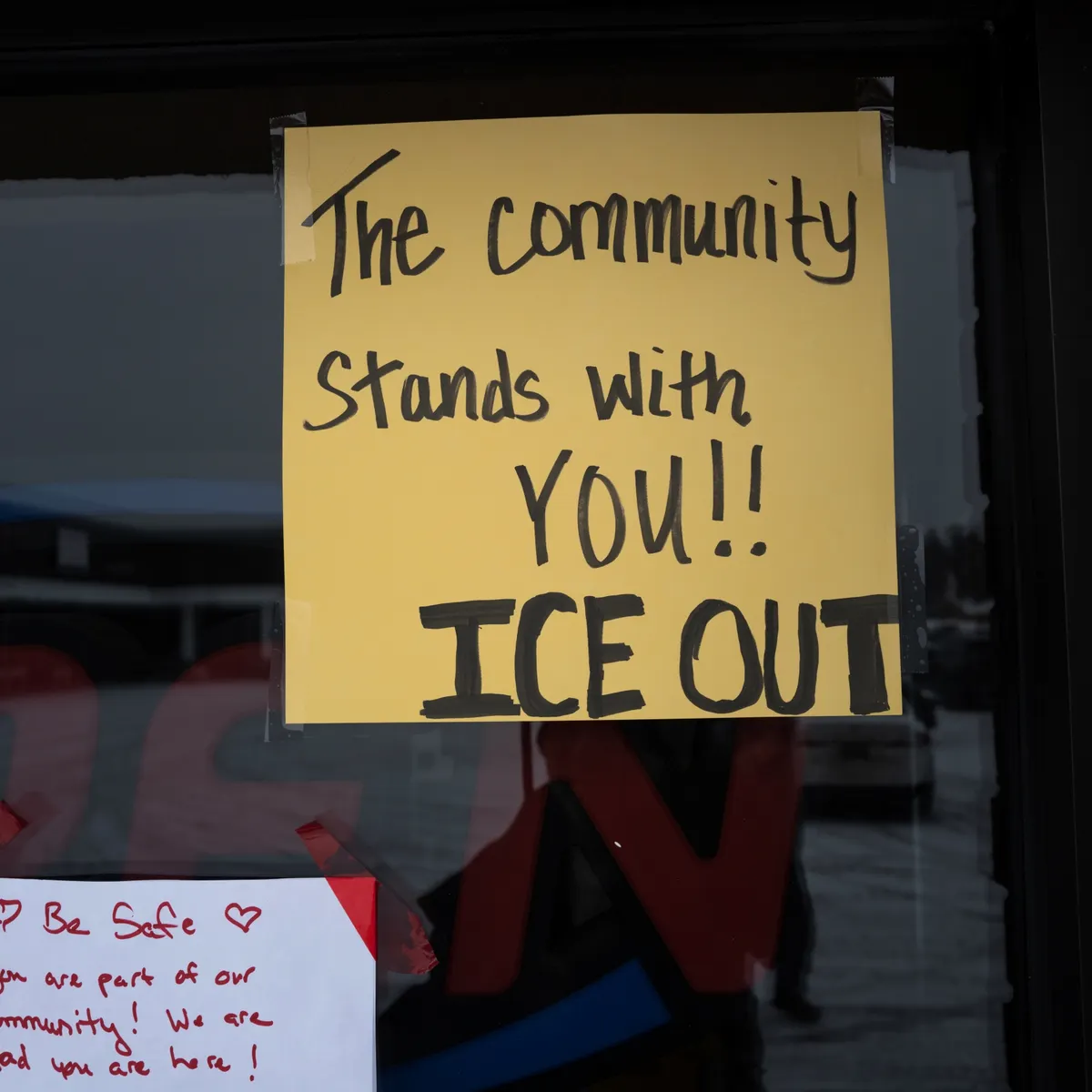
That was the message running through a May 12 Q&A on what independent restaurants want from politics in 2026. The Independent Restaurant Coalition said immigration enforcement, high payment-card fees, delivery commissions, rising rents and weak bargaining power are squeezing restaurants from all sides. The practical effect, especially for quick-service chains, is that every extra cost shows up somewhere on the shift, whether in tighter scheduling, heavier pressure to move digital orders or more urgency to hit speed targets without adding hours.
The National Restaurant Association has made swipe-fee reform one of its biggest priorities, arguing that U.S. card processing costs are among the highest in the world because just two companies control 80% of the market. The group says swipe fees have more than doubled over the past decade and now rank as the third-largest operating expense for most restaurants, behind food and labor. In February, the association put immigration reform, the Credit Card Competition Act and a strong USMCA renewal at the center of its federal agenda.
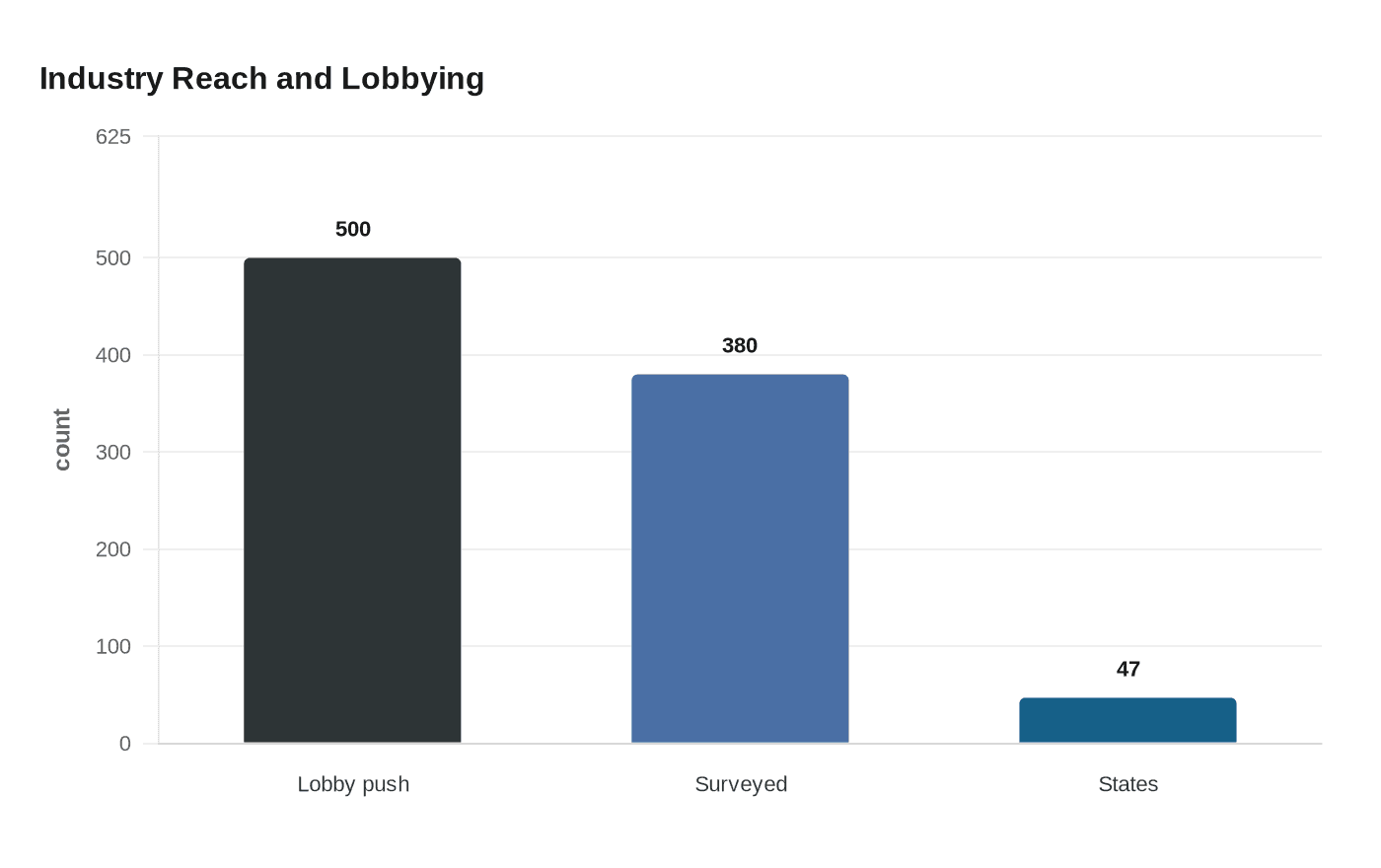
That pressure turned into a lobbying push in Washington, D.C. in mid-March, when the NRA said it sent nearly 500 restaurant operators and state association directors to press those issues. Of the three, the association has said it feels most confident about swipe-fee reform, a sign that operators see card costs as one of the clearest ways to unlock margin without raising menu prices again.
A 2026 James Beard Foundation report, produced with Deloitte, added broader context. It surveyed more than 380 independent restaurant owners, chefs and operators across 47 states and found the industry being reshaped by persistent cost pressures, shifting consumer behavior, workforce complexity and rapid technological change. Those forces matter on the line because they influence everything from how many people are on the clock to how aggressively stores rely on delivery and mobile ordering.
For Taco Bell, the stakes are different but the logic is the same. Yum! Brands says Taco Bell opened in 1962 in Downey, California, sold its first franchise in 1964 and remains one of the company’s core brands. Taco Bell’s franchise materials also tell prospective operators not to rely on the disclosure document alone and to review the full contract, a reminder that the real economics of the brand live in the franchise agreement. In a system this large, fee policy and delivery economics do not stay abstract for long. They show up in the way a store staffs, schedules and sells each hour of the day.
This article was produced by Prism’s automated news system from verified source data, official records, and press releases, then run through automated quality and moderation checks before publishing. The system is built and supervised by the people who set the standards it runs under. Read our full AI policy.
Did this article answer your question?