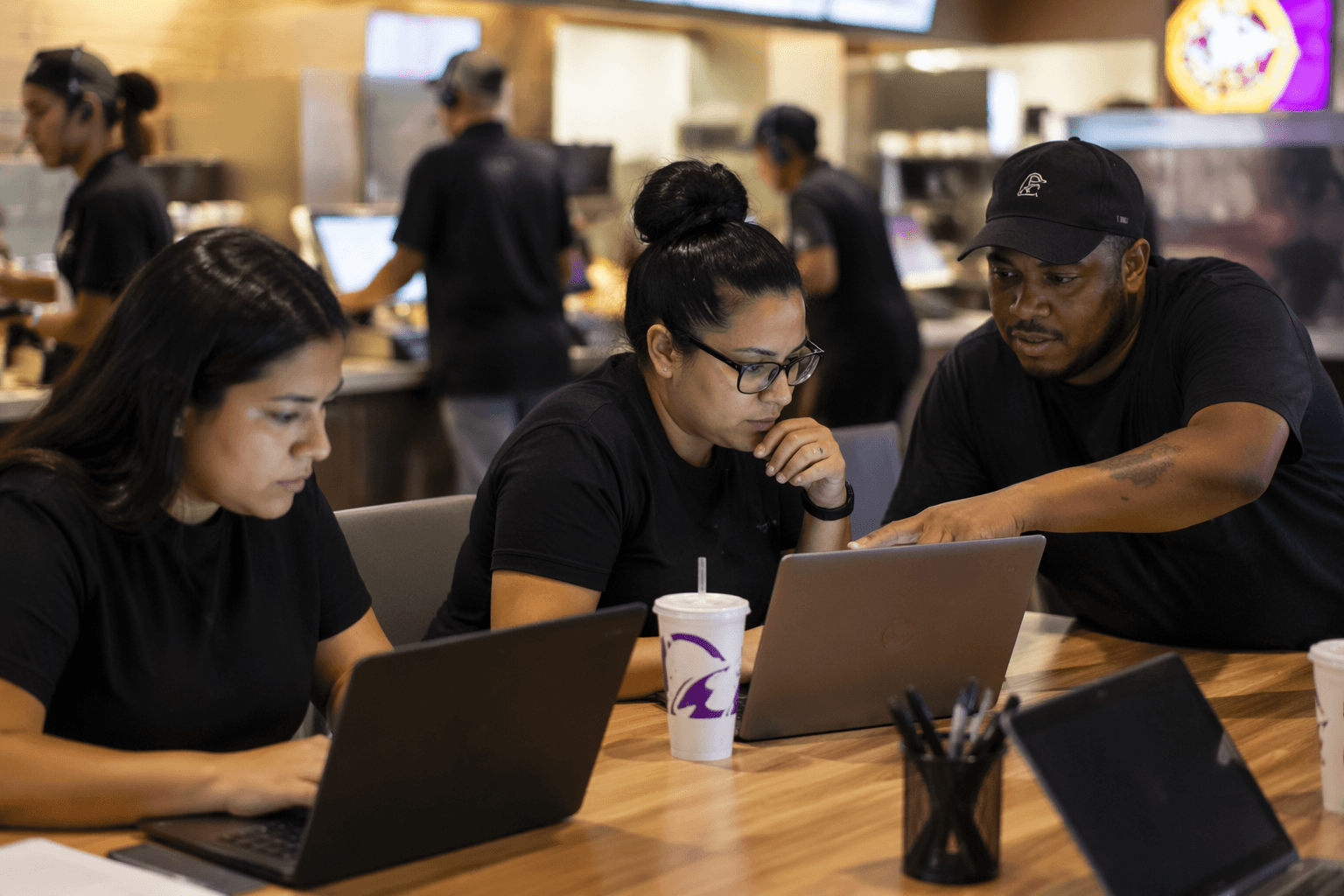
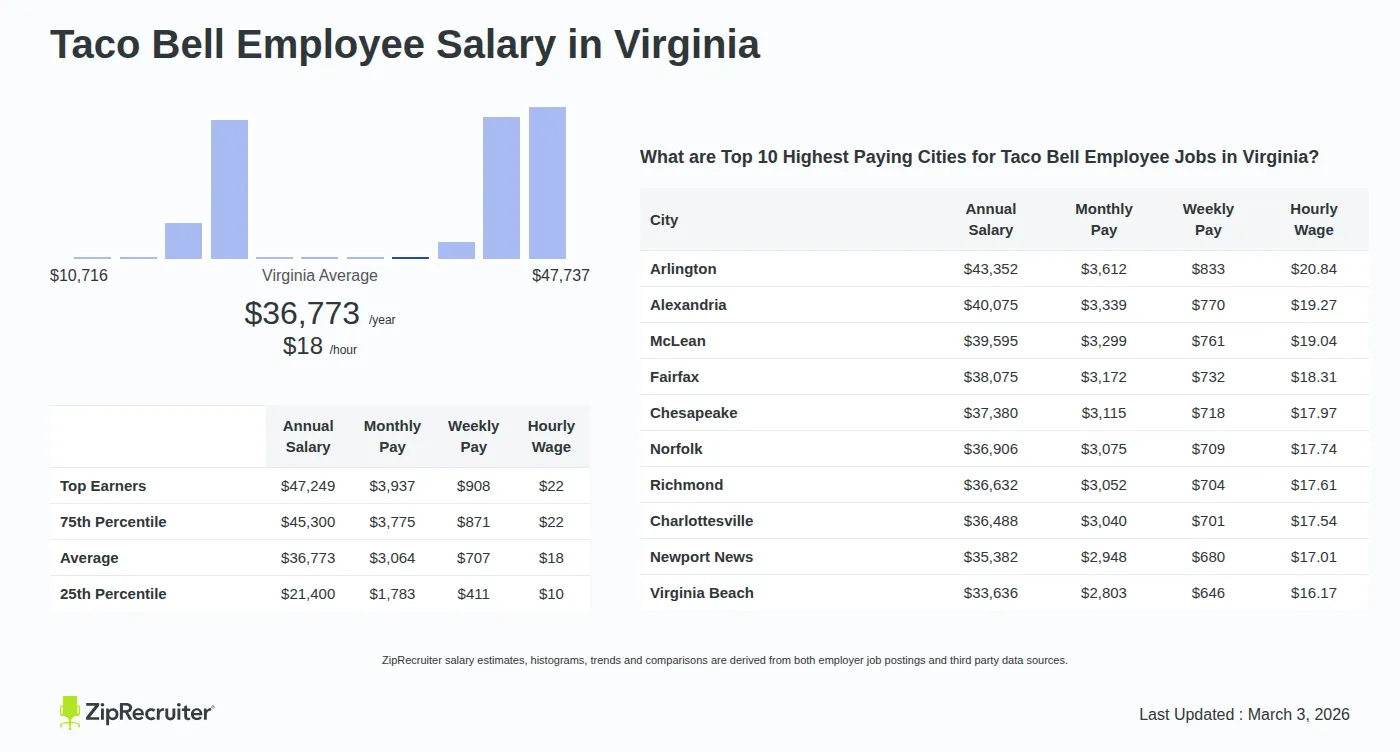
EEOC guidance spotlights stronger harassment prevention for Taco Bell teams
The EEOC's updated harassment playbook now covers online abuse, pregnancy and mixed-status claims, and Taco Bell crews need real reporting paths before misconduct spreads.
What changed in the EEOC playbook
The biggest shift for Taco Bell teams is not a slogan, it is the EEOC’s move to modernize how harassment is prevented and documented on real shifts. The agency issued its final workplace harassment guidance on April 29, 2024, and said it was the first major EEOC workplace-harassment guidance since 1999, replacing and consolidating five earlier documents issued between 1987 and 1999. That matters on a Taco Bell floor because the kind of conduct that gets brushed off during a rush can become a legal problem fast if nobody treats it like one.
The updated guidance is more specific about the kinds of harm restaurants now have to prepare for. It addresses sexual orientation, gender identity, pregnancy, virtual or online harassment, and harassment based on more than one protected status. In a crew environment where people text, DM, post, and work side by side under pressure, the line between “just joking” and misconduct is easier to cross than managers want to admit. The EEOC’s message is simple: prevention works best when the system makes reporting easy, response predictable, and retaliation off-limits.
Why Taco Bell shifts are especially exposed
Harassment in restaurants rarely starts with one dramatic moment. It usually grows in the cracks of the operation: an isolated closing shift, a trainer who has too much power over a new hire, a manager who shrugs at repeat low-level comments, or a crew culture that assumes customer-facing work comes with abuse. Taco Bell’s pace and informality can make that worse. When everyone is moving fast, workers may hesitate to document what happened, especially if the behavior comes from a supervisor, a trainer, or a high-producing shift lead.
That is why the EEOC’s “promising practices” guidance is so useful for restaurant operators. It says anti-harassment programs should include leadership accountability, an effective policy, accessible reporting, and training. In a Taco Bell setting, that means the policy cannot live only in a handbook or an onboarding slide. It has to be visible on shift, understood by shift managers, and usable by someone who needs help at 11 p.m. after the dining room clears out.
What good prevention looks like on the clock
The strongest systems are built for the moments when people are busiest and most vulnerable. A crew member should know exactly where to report an issue, whether the problem involves a coworker, a supervisor, or a customer. A shift manager should know what to do in the first minutes after a complaint, including how to document it, who to notify, and how to avoid making the reporting employee feel like the problem is being minimized.
That is especially important because retaliation can be just as serious as the original misconduct. The EEOC says retaliation is prohibited, and it can include conduct that happens after an employee complains about harassment. In practice, retaliation is often the thing that keeps workers silent: reduced hours, less favorable shifts, being left off training opportunities, or a hostile tone from the very person who should be handling the complaint. If the reporting path feels unsafe, the policy is not working.
For Taco Bell crews, the practical standard should be straightforward:
- Post the harassment policy where workers can actually see it.
- Train supervisors to respond the same way every time.
- Record complaints promptly, even if they sound minor at first.
- Follow up with the worker who reported the issue.
- Watch for repeat behavior that looks small individually but serious in pattern.
That last point matters because restaurant harassment often hides in repetition. One off-color comment might be explained away. A pattern across shifts, locations, or crews is different. The EEOC’s approach is built to catch patterns before they become a resignation, a turnover spike, or a lawsuit.
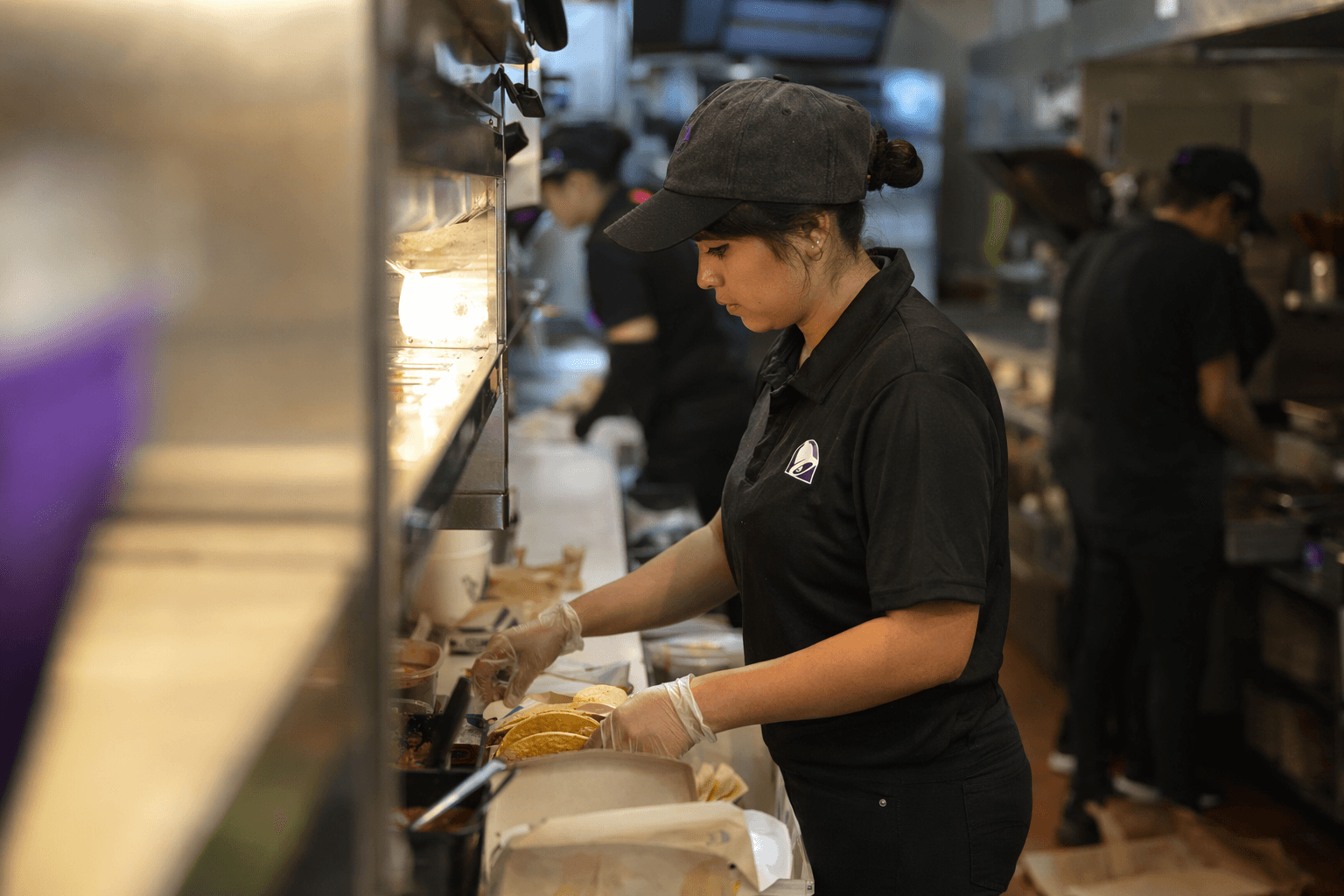
The Michigan case shows what failure looks like
The EEOC’s Taco Bell enforcement in Michigan gives the guidance real stakes. On March 11, 2025, the agency announced a federal lawsuit against six related Taco Bell franchise entities in Michigan, alleging that a senior area manager sexually harassed female employees, including underage employees, on a near-daily basis at multiple restaurants. The EEOC also alleged that a local assistant manager was fired the same day she reported the misconduct. Later, two metro Detroit Taco Bell operators agreed to pay $100,000 and provide workplace reforms to settle the case.
That sequence tells you almost everything a restaurant worker needs to know about how these cases become serious. It is not only the harassment itself. It is the delay, the silence, the failure to interrupt the conduct, and then the punishment of the person who spoke up. When the alleged behavior crosses multiple restaurants and includes younger workers, the weak point is not just one bad actor. It is the system around them.
The named entities in the case, Sundance, Inc., Black River Bells, and Teamlyders, LLC, are a reminder that franchise structures can complicate accountability. Taco Bell may be the brand on the building, but the day-to-day reporting chain often runs through franchise operators and local management. That makes training and complaint handling even more important, because workers need to know who can fix a problem before it spreads across stores.
Where Yum! Brands fits in
Yum! Brands says its Global Code of Conduct applies to all Yum! Brands employees and subsidiaries. For Taco Bell employees, that matters because it shows the parent company has a conduct framework that reaches beyond one store or one franchise relationship. But a code of conduct is only useful if it is paired with enforcement. On the restaurant level, that means managers cannot treat harassment prevention as a paperwork exercise or a legal department problem that starts after damage is already done.
The better model is operational. Make the reporting chain clear. Train the people who run shifts. Document complaints while memories are fresh. Separate the reporting employee from the alleged harasser when possible. And treat retaliation as a separate violation, not a side issue. Those are the habits that turn policy into protection.
What Taco Bell workers should expect from a serious system
Workers should not have to guess whether a complaint will be taken seriously. If the operation is working the way the EEOC describes, a report should trigger a prompt response, a real investigation, and a clear follow-up. That is true whether the issue is a supervisor’s behavior, customer harassment that crosses the line, or online conduct that spills into the workplace.
For Taco Bell crews, the larger lesson is blunt: harassment prevention is not a culture statement, it is a shift-level system. The stores with the strongest protection are not the ones with the best poster in the break room. They are the ones where managers know the process, employees trust the process, and repeat misconduct gets documented before it becomes the reason somebody quits, files a charge, or ends up in the news.
This article was produced by Prism’s automated news system from verified source data, official records, and press releases, then run through automated quality and moderation checks before publishing. The system is built and supervised by the people who set the standards it runs under. Read our full AI policy.
Did this article answer your question?