McDonald's warns weak quarter may signal pressure for Taco Bell teams
Higher gas prices are squeezing lower-income diners, and McDonald's says the pressure could soften traffic just as Taco Bell leans on value and late-night orders.
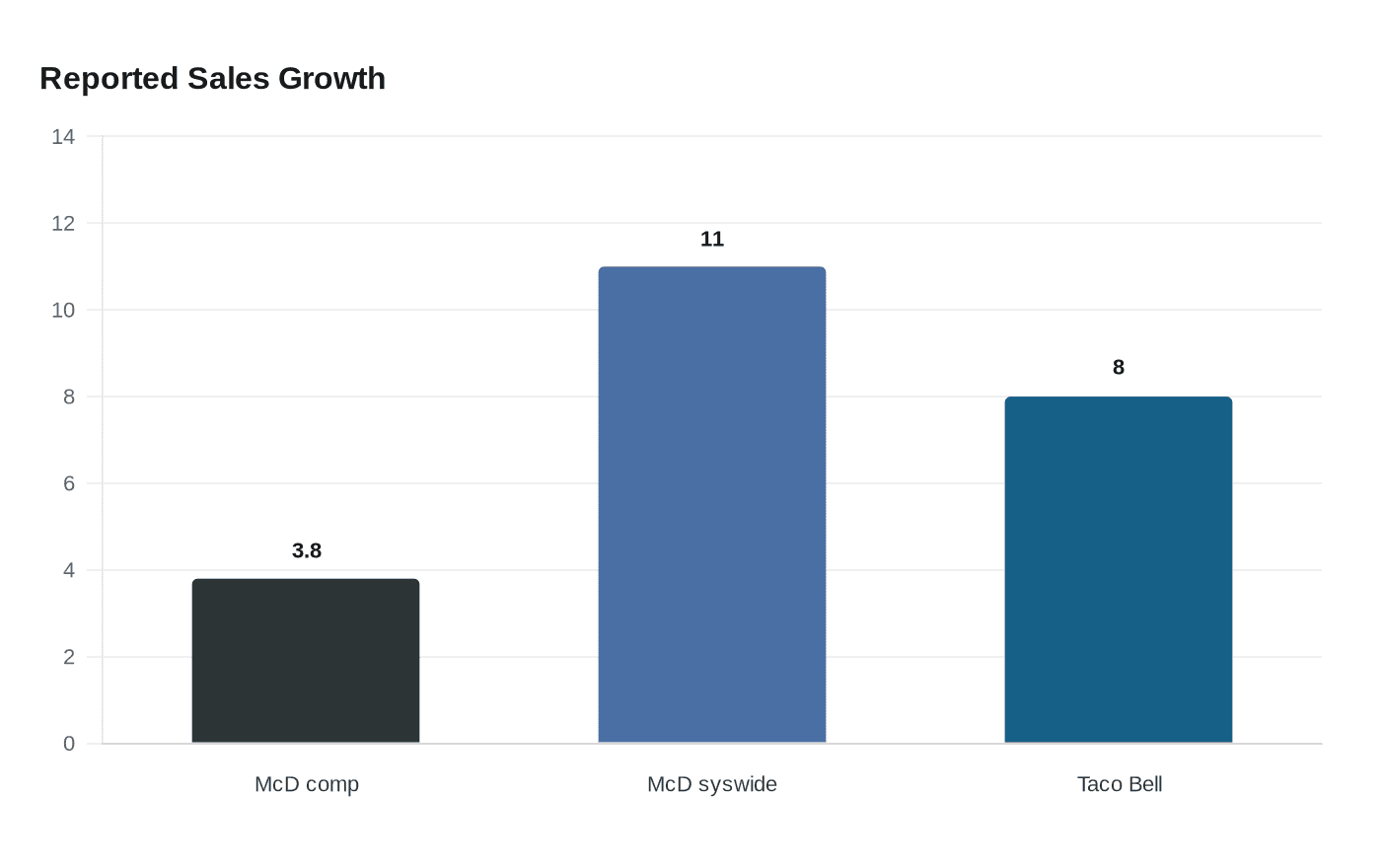
Higher gas prices are starting to hit the same value-sensitive customers Taco Bell depends on, and McDonald's is already seeing the warning signs in traffic. McDonald's said global comparable sales rose 3.8% in the quarter ended March 31, 2026, but the company warned that a weak start to the second quarter followed as elevated fuel costs linked to the Iran war weighed on lower-income consumers. Chief executive Chris Kempczinski called elevated gas prices the "core issue" for that group.
The signal matters because it goes beyond whether people eat out at all. When transportation costs rise, lower-income households tend to keep spending focused on the cheapest, most filling options, and that can show up first in smaller baskets, fewer add-ons, and more selective ordering. McDonald's said global systemwide sales rose 11% to more than $34 billion in the first quarter, and sales to loyalty members topped $38 billion on a trailing-twelve-month basis across 70 loyalty markets. Even with those gains, April sales turned slightly negative as traffic softened.
Ian Borden, McDonald's chief financial officer, also pointed to another pressure point that Taco Bell managers know well: food, paper, energy and other operating costs. Those expenses are hard to fully offset through pricing, especially when franchisees are trying to protect margin without pushing customers away. That mix of weaker traffic and stubborn costs is the kind of squeeze that can quickly change restaurant rhythms, from lunch counts to late-night volume.

For Taco Bell, the practical lesson is in the order mix. Taco Bell launched its new Luxe Value Menu nationwide on January 22, with 10 items priced at $3 or less, including five new items and five returning favorites. The chain has been leaning hard into value, and Yum Brands said Taco Bell same-store sales rose 8% in the first quarter of 2026. But even a strong value platform does not make the business immune when gas prices rise and household budgets tighten.
That is where crews and managers feel the pressure first. The same customer may still come in, but with a smaller check, less customization, or a different daypart. Labor plans that work in a steady week can break down if lunch softens while evening and late-night traffic hold up. Prep levels, shift length, and staffing by hour have to match that volatility or stores risk being overbuilt in the slow periods and stretched when the rush hits.
The broader backdrop reinforces the risk. Federal Reserve Bank of New York research showed lower-income households cut spending more than higher-income households when gas prices rose, and the Federal Reserve's 2024 SHED survey said inflation and prices remained the top financial concern. For Taco Bell teams, that means the value fight is only part of the story. The real test is whether the restaurant can keep speed, accuracy and staffing tight enough to hold traffic when outside costs start changing how people spend.
This article was produced by Prism’s automated news system from verified source data, official records, and press releases, then run through automated quality and moderation checks before publishing. The system is built and supervised by the people who set the standards it runs under. Read our full AI policy.
Did this article answer your question?