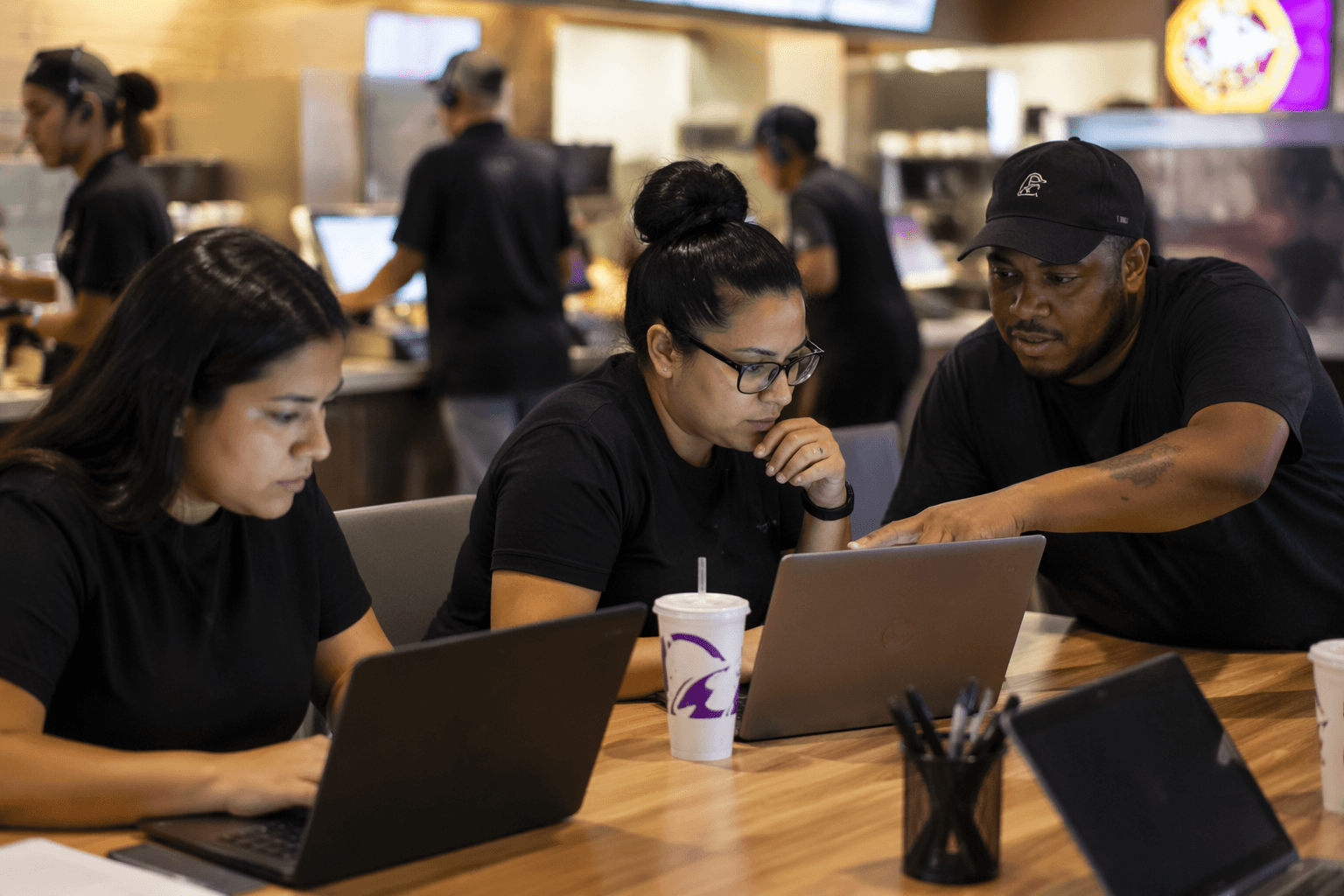
National Restaurant Association sees sales growth, job gains for Taco Bell operators
The restaurant forecast says sales and jobs are still growing, but Taco Bell managers should expect tighter labor, sharper value pressure, and more menu complexity.
What the industry forecast means for the next shift
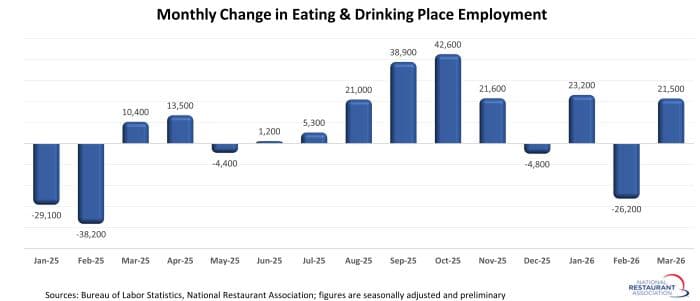
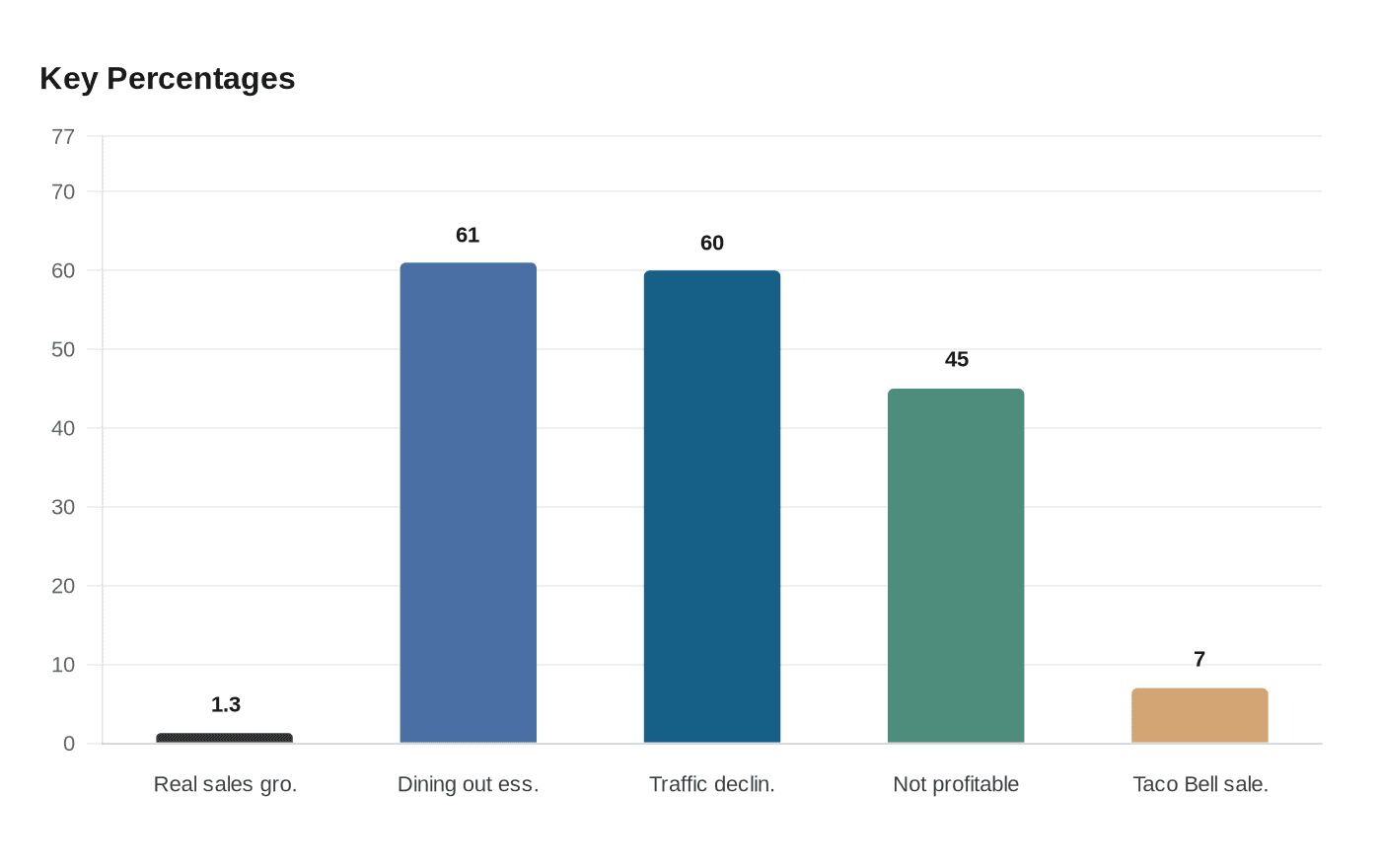
The restaurant business is still expanding, but the cushion is thin. The National Restaurant Association expects total restaurant and foodservice sales to reach $1.55 trillion in 2026, with real sales growth of just 1.3% and employment climbing to 15.8 million jobs, which is another way of saying operators are still growing while fighting for every point of margin. For Taco Bell managers, the lesson is immediate: next week’s staffing, menu prep, and value strategy need to assume traffic is alive but fragile.
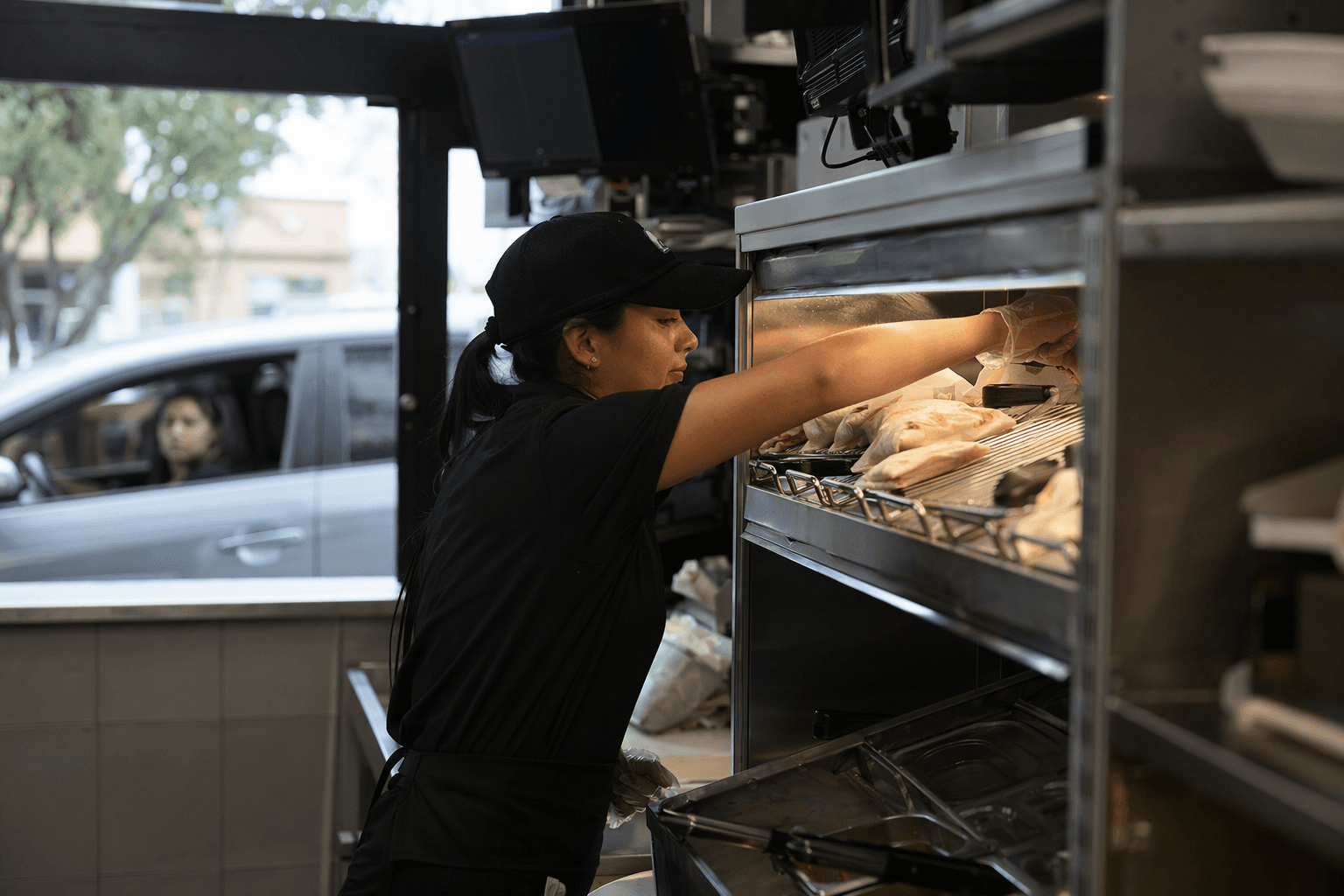
The surprise in the report is not that consumers still eat out, it is how much pressure sits under that demand. The association says 61% of adults consider dining out essential to their lifestyles, yet 60% of operators reported traffic declines in 2025 and 45% were not profitable. More than 9 in 10 operators also cite food, labor, insurance, energy, and swipe fees as significant challenges. Chad Moutray put it bluntly, saying 2026 success will hinge on operators “getting the math right” in a still-challenging environment.
What that means for your labor plan
The strongest takeaway for managers is that labor is not going to get easier just because the top line is growing. If the industry is adding more than 100,000 jobs to reach 15.8 million employees, that points to continued hiring competition, more turnover risk, and more pressure on training. For a Taco Bell shift, that usually shows up as slower ramp-up for new hires, more callouts to cover, and a heavier load on the strongest crew members.
That is where Michelle Korsmo’s framing matters. She said the industry’s resilience comes from its people, adaptability, and investment in workforce, innovation, and smart policy solutions. In practice, that means managers should spend the next scheduling cycle asking a hard question: which stations need the most cross-trained coverage, and which hours can survive with a leaner crew without crushing speed or accuracy? The forecast does not reward wishful staffing. It rewards a tighter labor model, better coaching, and fewer avoidable mistakes during rushes.
Why value is still the biggest traffic lever
For Taco Bell, the demand picture lines up with what the brand is already betting on. Taco Bell said it reached $1 billion in operating profit in 2024, posted U.S. same-store sales growth in all four quarters, generated $6 billion in digital sales, and opened 347 gross-new locations across 25 countries. Yum! Brands later reported Taco Bell same-store sales growth of 7% in the fourth quarter of 2025. That is a strong position, but it does not erase the industry’s cost pressure or the fact that customers are still watching prices closely.
That is why the new Luxe Value Menu matters as an operating signal, not just a marketing move. Taco Bell launched it nationwide on January 22, with ten items priced at $3 or less, and rewards members got early access starting January 16 through the app, drive-thru, and kiosks. Luis Restrepo said the menu was built on fan testing and was meant to redefine what value can be. For managers, the operational takeaway is simple: if value items are the traffic engine, then the line setup, build consistency, and order confirmation have to be just as disciplined as the pricing strategy.
The menu mix will also change the tone of the rush. Value traffic can be high-volume but lower-margin, which means every extra remade item, every missed modifier, and every slow handoff matters more than it looks on paper. If the industry forecast is right about restrained consumer spending power, especially for low- and middle-income households, then Taco Bell’s value offers will likely be doing more of the heavy lifting for basket count than premium items will. Managers should plan for that by making sure the cheapest items are also the fastest to execute.
Tech adoption is now an operations issue, not a side project
The report’s focus on food and menu trends is a reminder that innovation is not just about new products. It is about how much complexity the store can absorb without slowing down. Taco Bell’s digital sales growth to $6 billion shows that customers are already moving through app, kiosk, and drive-thru channels at scale, so the technology stack is now part of the shift’s core workload.
That should change next week’s coaching. If rewards members can access offers early through the app, drive-thru, and kiosks, managers need to make sure the crew understands how those orders flow, where confusion starts, and which handoff points create delays. Digital growth sounds clean in a corporate slide deck, but on the floor it often means more simultaneous order types, more menu visibility, and more chances for a small error to ripple across the line. The smartest stores will treat tech training as part of service training, not an add-on.
What recruiting looks like when the industry is still adding jobs
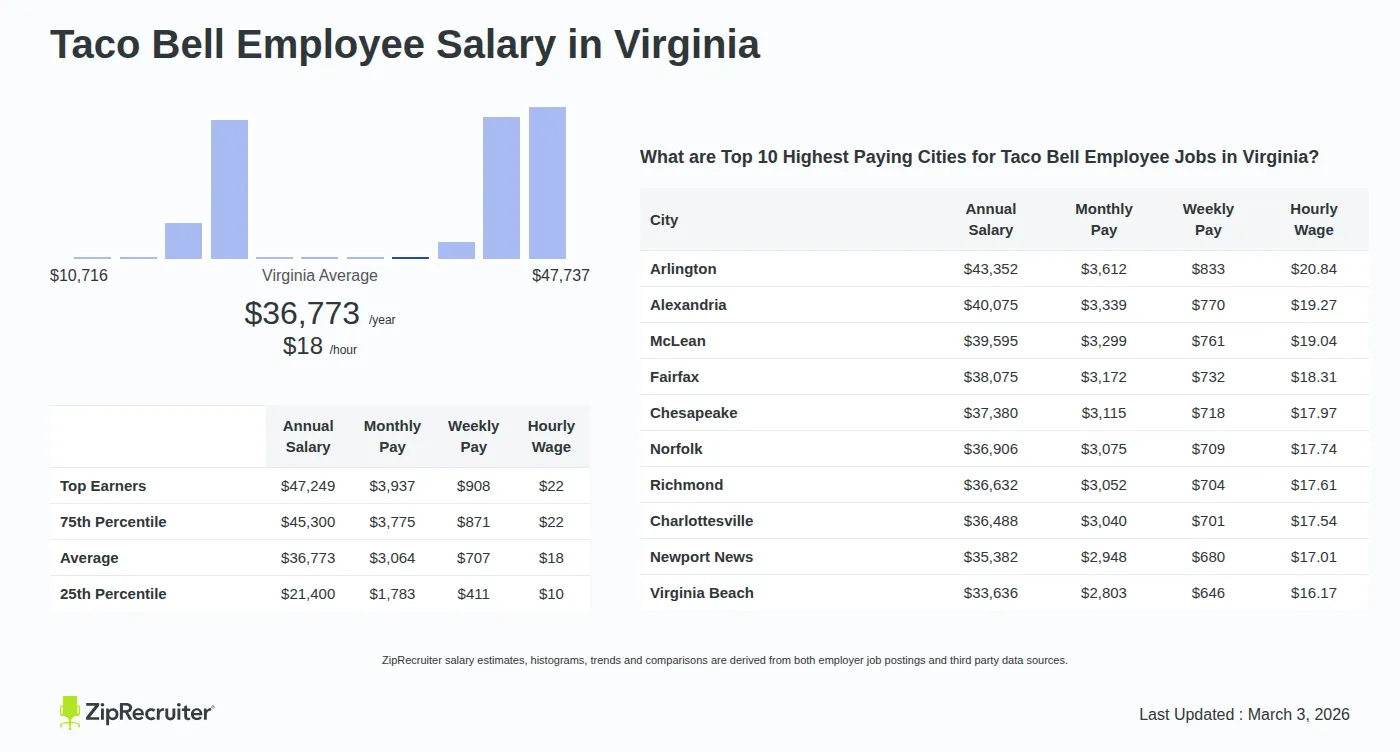
The forecast for 15.8 million restaurant jobs cuts both ways. It is good news for people looking for work, and it is a warning for managers who rely on a stable bench without actively building one. If labor demand stays firm while operators still complain about costs and traffic swings, then recruiting has to sell more than a paycheck. It has to sell predictable training, a path to more hours, and a shift culture that does not burn people out before they learn the job.
That is especially true in a brand like Taco Bell, where the pace, customization, and digital volume can overwhelm new hires if the onboarding is sloppy. Managers should be thinking about who is ready to train, who can absorb a second station, and which openings can be filled before the weekend rush exposes the gap. The report’s bigger message is that the businesses that keep hiring well will be the ones best positioned to serve the customer who still wants to eat out, but wants to feel smarter about every dollar.
The bottom line for Taco Bell operators is this: the market is still growing, but growth alone will not save a weak shift plan. The stores that win next week will be the ones that pair value pricing with tighter labor, cleaner digital execution, and faster training, because that is where the industry’s real pressure is landing.
This article was produced by Prism’s automated news system from verified source data, official records, and press releases, then run through automated quality and moderation checks before publishing. The system is built and supervised by the people who set the standards it runs under. Read our full AI policy.
Did this article answer your question?