Taco Bell lesson from Burger King, Popeyes: basics beat menu hype
Burger King's turnaround and Popeyes' slump show Taco Bell crews that clean lines, fast recovery, and core-menu discipline still drive traffic.
Why this quarter matters on the Taco Bell floor
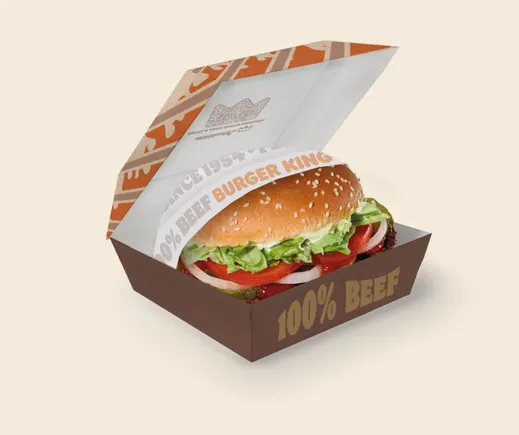
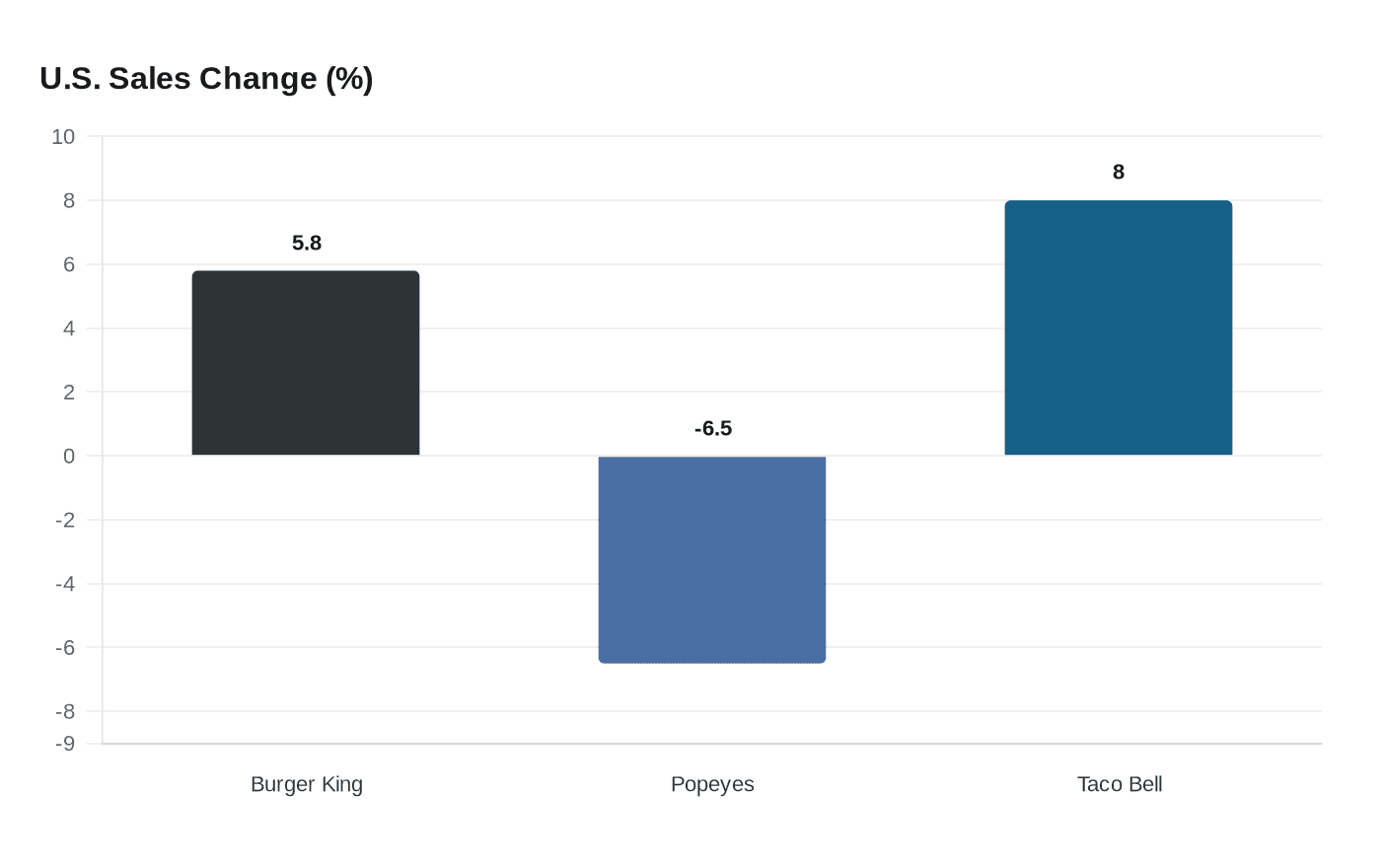
Burger King’s 5.8% U.S. sales gain and Popeyes’ 6.5% drop tell the same story from opposite ends of the fast-food aisle: customers reward chains that get the basics right before they reward chains that are loud about novelty. For Taco Bell crews, that is not an abstract boardroom lesson. It is about whether the line stays clean, the build stays accurate, the drive-thru stays clear, and the rush stays under control.
Restaurant Brands International said Burger King’s stronger results reflected years of work by franchisees and teams to improve the guest experience, with operations and menu work helping win consumers back. Popeyes, by contrast, said it was moving quickly to address a slump that RBI said was its worst same-store-sales performance in about 20 years. That contrast matters because it shows how fast a brand can lose traffic when service slips, even if the name is still familiar and the advertising is still loud.
The Taco Bell lesson is not “stop innovating”
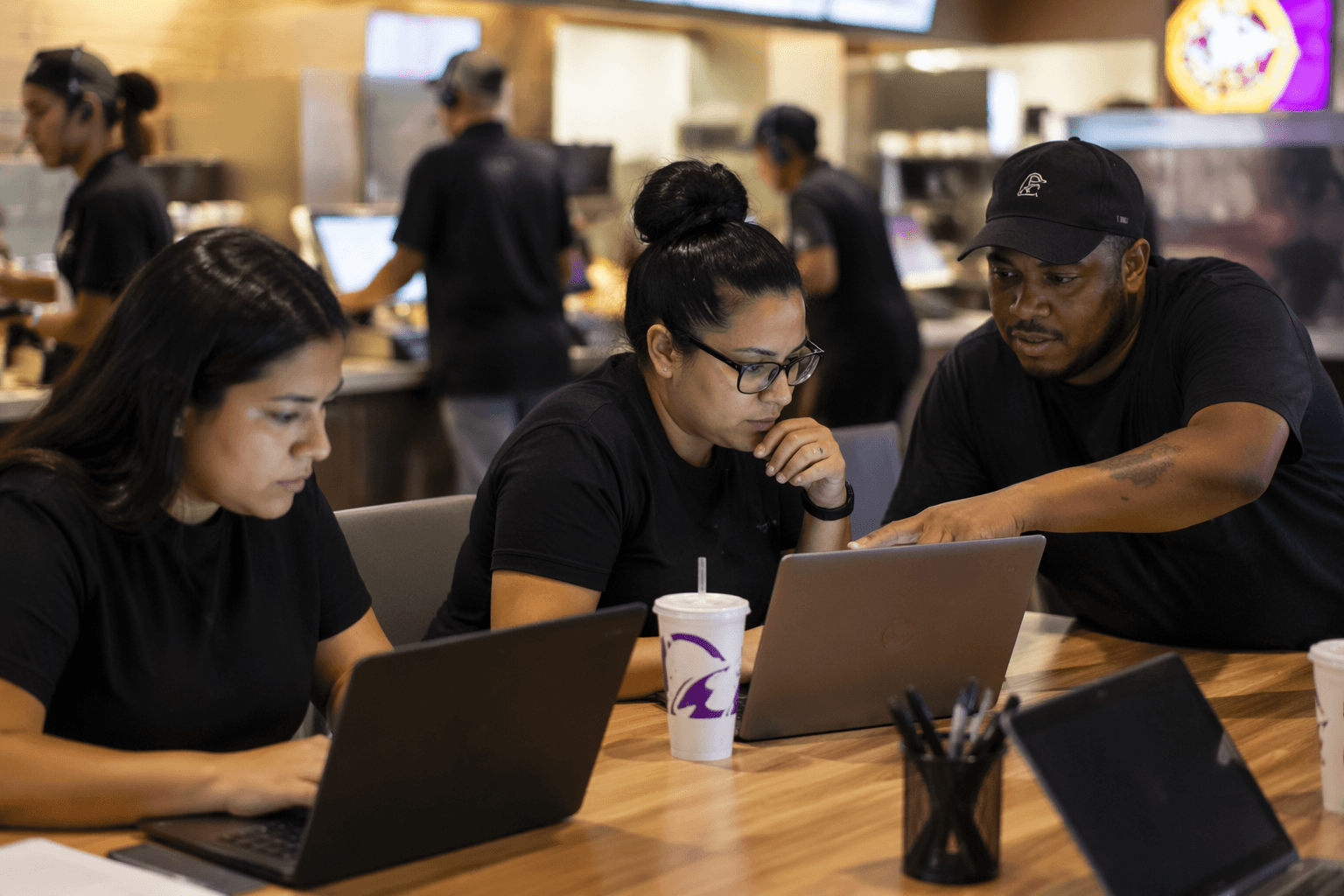
Taco Bell has built its identity on experimentation, but the Burger King and Popeyes results are a reminder that innovation only works when the core stays dependable. A fresh promo, limited-time item, or menu headline cannot cover for weak handoffs, slow prep, or confused communication at the speaker box. What keeps guests coming back is the promise that the food they expect will be there, made the way they expect, every time.
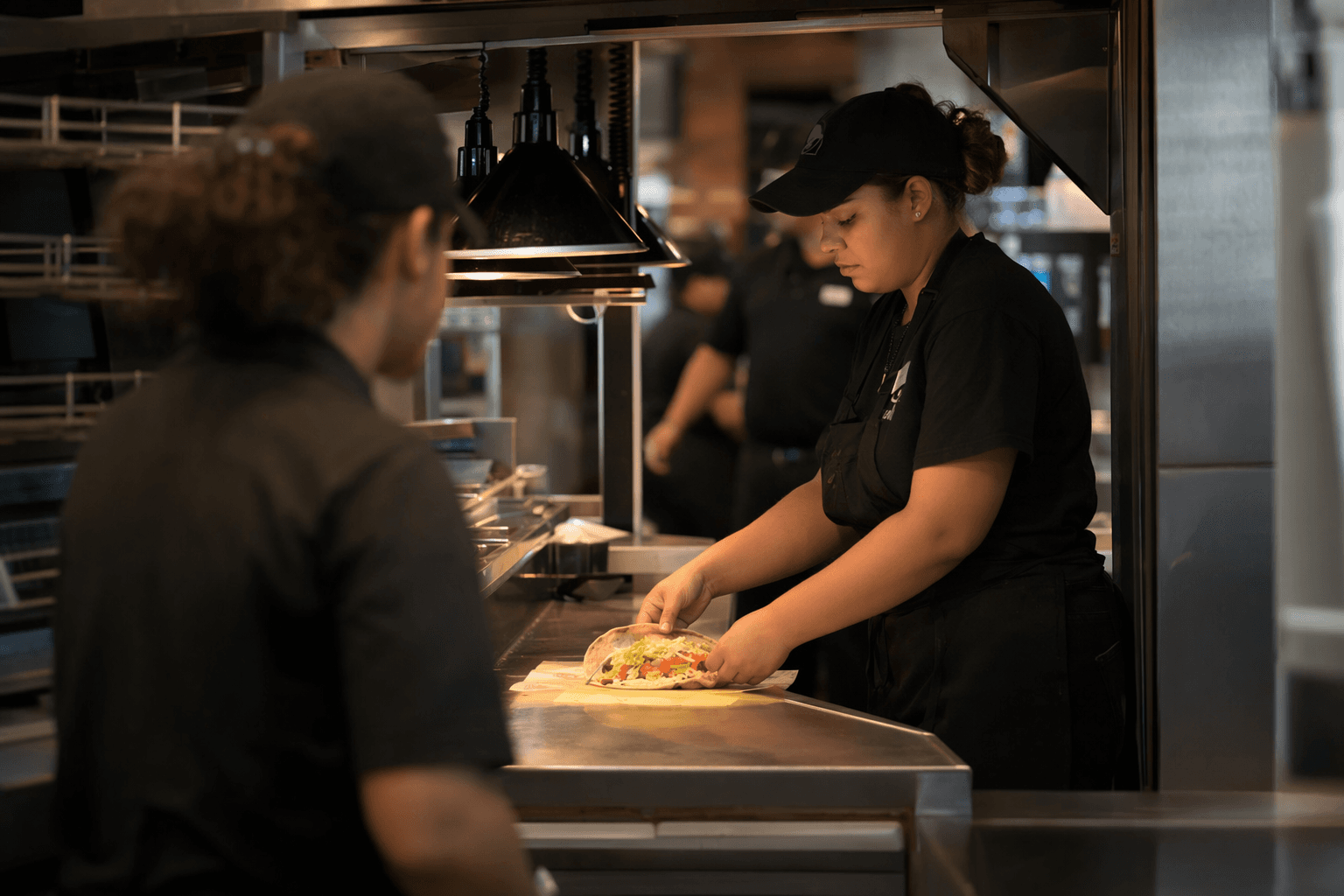
That is why the practical lesson for crew members is simple: accuracy beats excitement when the shift gets busy. A clean line and consistent assembly protect the guest experience more than another flashy menu moment. If a chain loses the thread on service or consistency, menu hype starts to look like noise.
What shift managers should focus on when the rush hits
The most useful reading of these numbers is operational, not promotional. Shift managers should treat the Burger King-Popeyes split as a staffing cue and a coaching cue. The places where orders go off the rails, beverage prep, salsa stations, and drive-thru handoff, deserve enough labor coverage and enough attention to recover quickly when something slips.
Cross-training matters here because it reduces the gap between a mistake and a fix. If one person falls behind on drinks or a build has to be remade, a well-trained team can absorb the problem without letting the whole line sag. That kind of recovery is what protects traffic when customers are also shopping value across other chains.
Why Taco Bell’s own numbers reinforce the point
Taco Bell’s latest quarter gives the lesson extra weight. Yum Brands said Taco Bell U.S. same-store sales rose 8% in the first quarter of 2026, marking the chain’s eighth consecutive quarter of domestic comp growth ahead of the industry. Yum also said Taco Bell’s U.S. system sales rose 10% to $4.4 billion, and restaurant-level margins reached 23.9%.
Those figures matter to workers because they show that strong performance is coming from a mix of value and execution, not just one campaign or one product cycle. Chris Turner said Taco Bell was building off a very strong first quarter in 2025, which reinforces the point that the chain’s momentum has been sustained rather than accidental. For crews, that means the winning formula is already visible on the floor: speed, consistency, and a core menu that shows up correctly every time.
What restaurant managers should coach every day
Restaurant managers have the biggest role in turning this lesson into habits. The core menu is not just the safe part of the menu, it is the foundation of repeat visits and guest trust. Coaching needs to stay centered on how reliably the team executes the items that customers order most often, especially when the lobby is packed or the drive-thru stack gets long.
- train for speed without losing accuracy
- keep the line organized so builds do not drift
- check the drive-thru flow so communication stays clean
- cover high-risk stations before the rush, not after mistakes pile up
- correct errors fast so one bad order does not become a bad shift
That means managers should spend less time chasing flash and more time tightening the basics:
The Burger King results show what happens when operational investment finally pays off. Popeyes shows how quickly traffic can slip when service and the core menu lose focus. Taco Bell’s strong quarter suggests the brand understands the same rule from the other side: bold marketing only lasts when the shift underneath it works.
The bottom line for Taco Bell crews
The real story here is not that one chain ran a better promotion than another. It is that reliable service still beats menu noise, and disciplined execution still beats expansion headlines. Taco Bell’s advantage is not only that it can be exciting. It is that the excitement has to sit on top of a store that runs clean, fast, and accurate, because that is what keeps guests coming back when the value battle gets crowded.
This article was produced by Prism’s automated news system from verified source data, official records, and press releases, then run through automated quality and moderation checks before publishing. The system is built and supervised by the people who set the standards it runs under. Read our full AI policy.
Did this article answer your question?