Wonder hires software veteran CTO, signaling more complex restaurant tech
Wonder’s hire of Antonio Silveira shows restaurant chains are treating software like core operations, a shift Taco Bell managers already feel in drive-thrus and apps.
.jpeg&w=1920&q=75)
Wonder hired Antonio Silveira, a software veteran from Nextdoor, GoDaddy, Yahoo and Attentive, as chief technology officer on May 4, a move that says as much about restaurant operations as it does about one company’s staffing. Silveira is set to start May 18, and Wonder is leaning on him as it works toward being IPO-ready by early next year. The company already runs more than 100 brick-and-mortar stores alongside a mobile app, Grubhub, Blue Apron, Tastemade and a bowl-making robot, which makes the job less like a traditional restaurant role and more like managing a live software platform.
That is the part Taco Bell managers should watch. Yum! Brands has spent the last year turning technology into a core operating layer for Taco Bell, KFC, Pizza Hut and Habit Burger & Grill. On Feb. 6, 2025, Yum introduced Byte by Yum!, a proprietary SaaS platform built to bring key systems under one roof. In March, the company said it was partnering with NVIDIA to accelerate AI development across its restaurants worldwide. When restaurant operators start hiring like software companies, they usually want the same thing Taco Bell now needs on the floor: cleaner data, faster routing of orders and tighter control over labor and inventory.
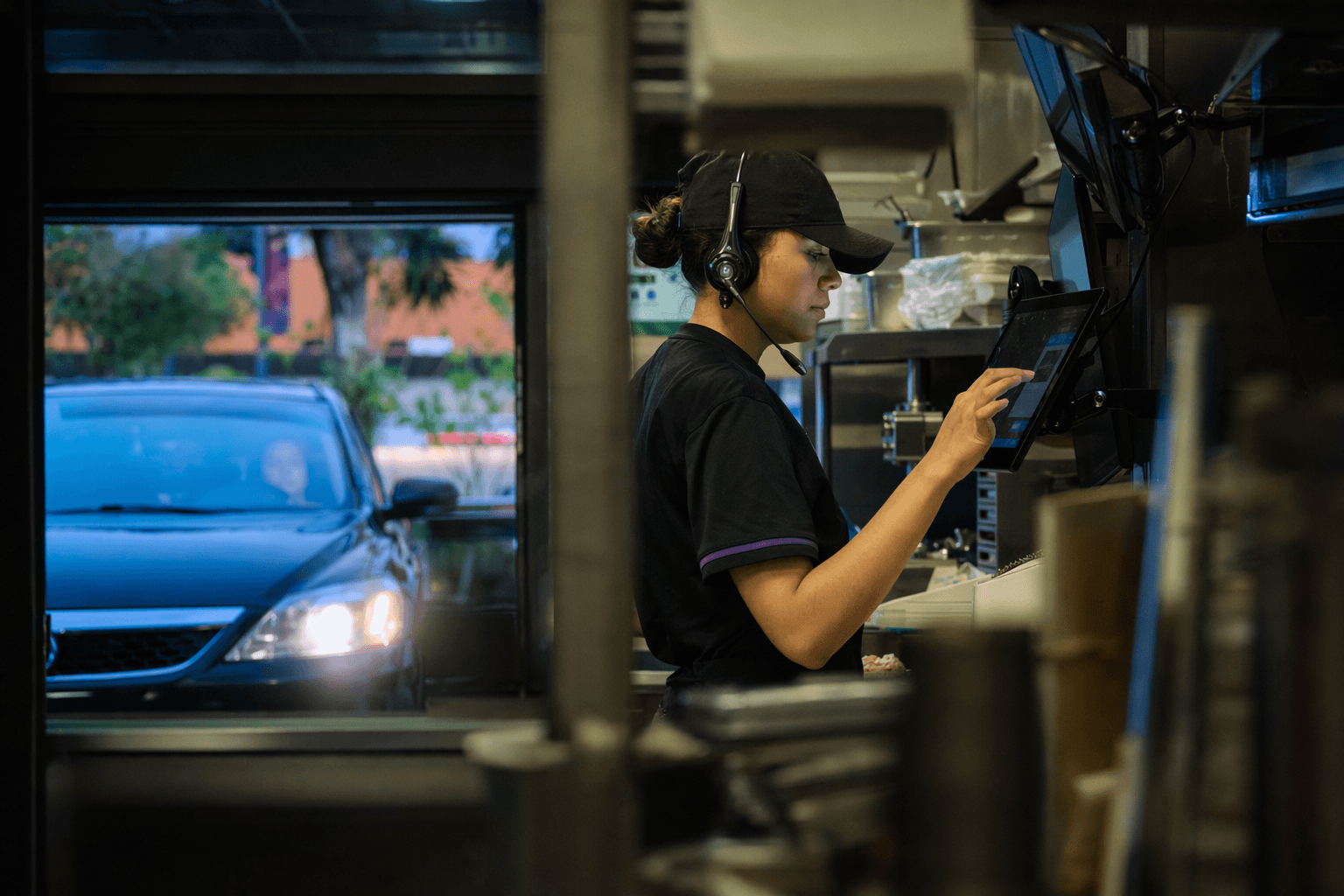
The change is already visible in the drive-thru. Yum said its voice AI was in more than 100 Taco Bell drive-thrus across 13 states when it announced an expansion in July 2024, with a target of reaching hundreds of U.S. stores by the end of that year. Industry reporting later put the rollout at about 500 locations, though the results have been mixed. For shift managers, that means the job is no longer just about keeping the line moving and the drinks filled. It is also about knowing what to do when a digital order stalls, a headset misfires or the handoff between app, drive-thru and counter breaks down during a rush.
Taco Bell’s own numbers show how deeply the business has shifted online. Yum executives said digital sales accounted for 31% of Taco Bell sales in the fourth quarter of 2023, and by the first quarter of 2025 that mix had risen to 42%. The chain said kiosk sales had climbed 15 points in that earlier period, another sign that crew members are working inside a more layered service model than the old one-line, one-cashier setup.
The scale keeps rising too. Taco Bell said it reached $1 billion in operating profit in 2024, opened 347 gross-new locations across 25 countries and ended up with 8,757 restaurants. It unveiled its R.I.N.G. The Bell strategy at a Consumer Day event in Brooklyn on March 4, 2025, alongside a pipeline of more than 30 innovation items. The message for managers is clear: the next version of fast food will reward people who can troubleshoot technology as confidently as they run a shift, because the uptime of the system is becoming as important as the speed of the crew.
Know something we missed? Have a correction or additional information?
Submit a Tip