Ahold Delhaize names AI chief as retailers formalize governance
Ahold Delhaize put Vipin Gopal in charge of data and AI, a sign retailers are moving AI from pilots to the store floor and into formal control.

Ahold Delhaize USA has put a single executive in charge of how data and AI get used across its U.S. business, naming Vipin Gopal senior vice president and chief data and artificial intelligence officer. Gopal will report to the chief information officer and oversee data, analytics and AI strategy, including enterprise data systems and the rollout of AI capabilities across the company. He arrives with more than 25 years of experience from Eli Lilly, Walgreens Boots Alliance, Humana, Cigna, United Technologies and Honeywell.
For Target workers, the bigger signal is not the title itself. It is that retail AI is moving out of pilot mode and into governance, with one leader expected to shape forecasting, replenishment, personalization, labor planning and associate tools. That is the same direction Target has been taking. In its 2025 annual report, Target said it is investing in technology and using AI to make shopping more joyful and support teams, including improving search, powering personalization through its loyalty ecosystem, strengthening media and marketplace businesses, and reducing friction for store teams so they can spend more time serving guests.

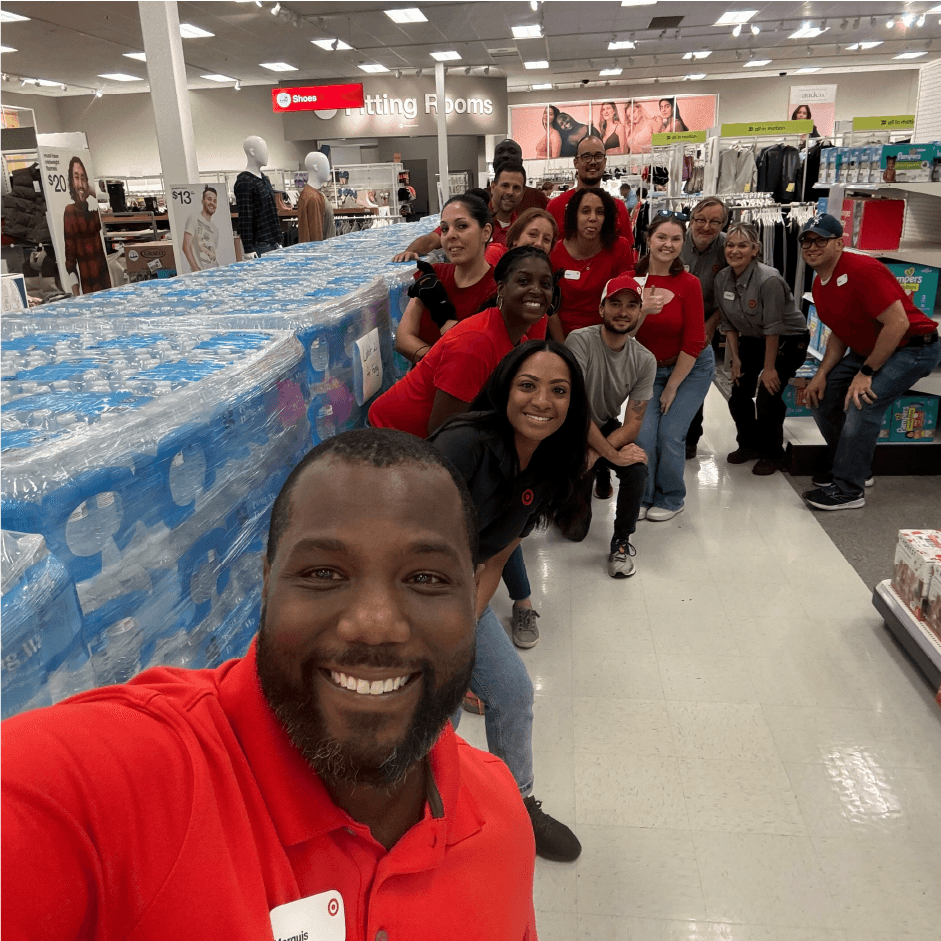
Target has already pushed that idea onto the floor. In June 2024, the company said Store Companion would roll out to all nearly 2,000 stores by August 2024, calling it the first major retailer to bring a GenAI tool to store team members across the U.S. The point was not just a new chatbot. It was a sign that daily work, from answering guest questions to finding information faster, was becoming tied to AI systems designed at the corporate level.
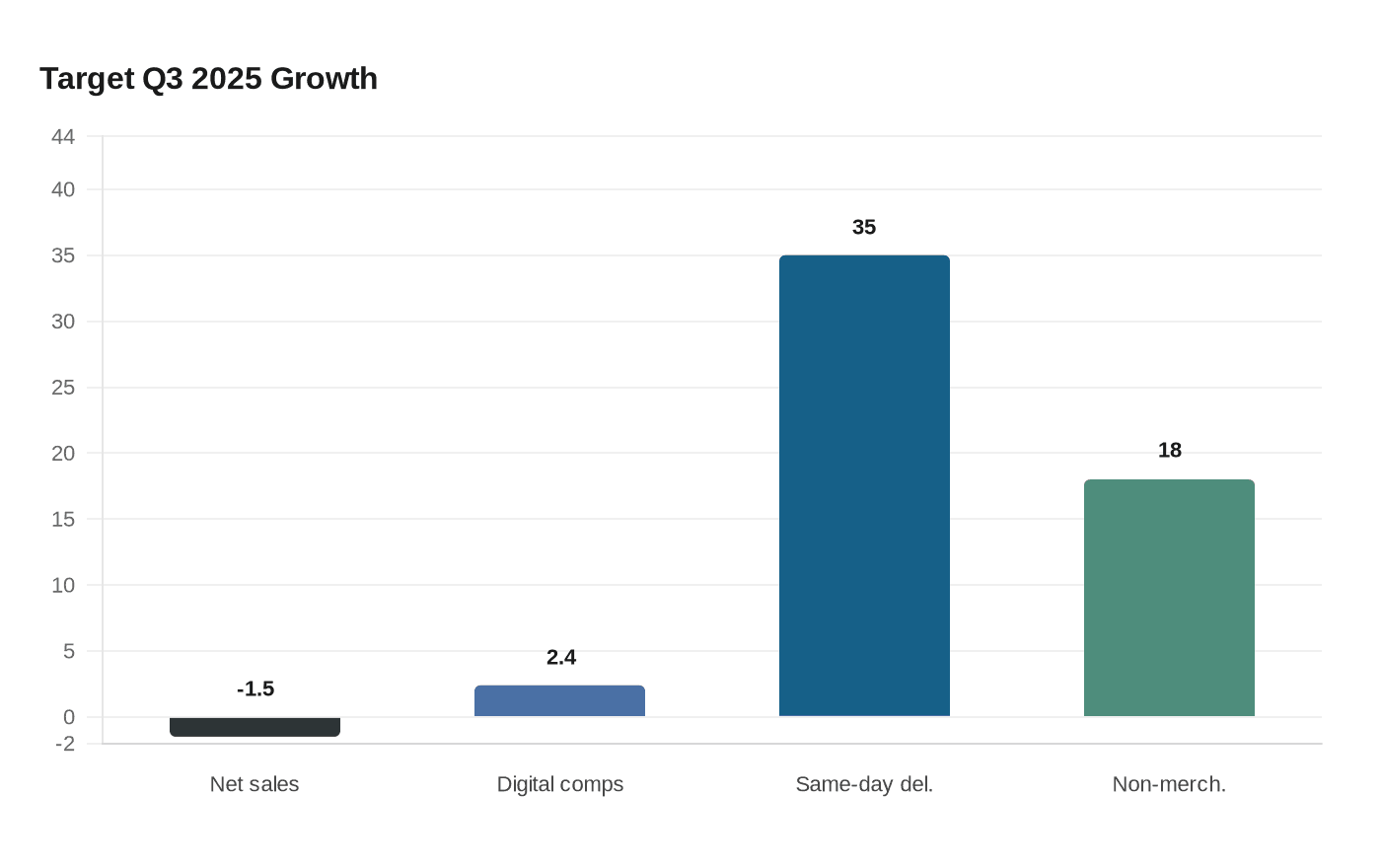
The business case is showing up in the numbers. Target reported third-quarter 2025 net sales of $25.3 billion, down 1.5% from a year earlier, while digital comparable sales rose 2.4%. Same-day delivery powered by Target Circle 360 grew by more than 35%, and non-merchandise sales rose nearly 18%, with Roundel, membership and marketplace revenues all growing double digits. Those trends explain why Target keeps leaning on data systems that can connect guests, inventory and fulfillment more tightly.
Target has also made the direction clearer with fresh spending. In March 2025, the company said its strategy aimed to drive more than $15 billion in sales growth by 2030, with AI-enhanced search and data-driven personalization built into that plan. In November 2025, it said it would add $1 billion to store and tech investments as it deepened AI usage, then followed with AI-powered gift recommendations, store navigation assistance and shopping list scanning, along with a conversational shopping experience in ChatGPT.
For Target team members, the real test is whether centralized AI decision-making makes work easier to execute or simply adds another layer between headquarters and the sales floor. If the tools are working, they should improve inventory visibility, sharpen task priorities and cut friction for guests. If they are not, the store will feel it first.
Know something we missed? Have a correction or additional information?
Submit a Tip