Target’s 4-5-4 calendar shapes sales comparisons and fiscal reporting
A 4-week, 5-week, 4-week calendar can make Target's sales and staffing look off even when traffic is normal, because weekends and an extra week change the comparison.
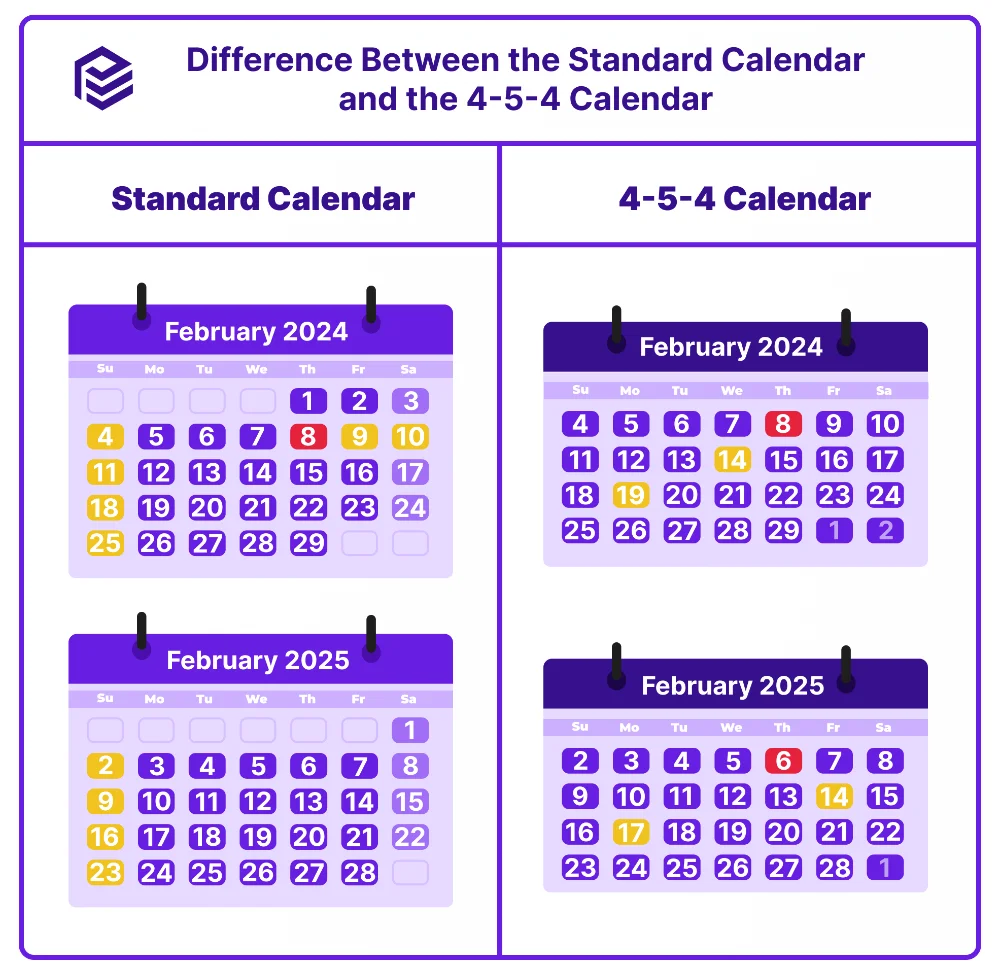
A month can feel off in a Target store even when guest traffic looks normal, and the reason is often the calendar, not the customers. The 4-5-4 system lines up weeks, weekends, and holidays so leaders are comparing like days to like days, which is the only fair way to judge whether a busy Saturday means the same thing in two different years.
What the 4-5-4 calendar actually does
The National Retail Federation's 4-5-4 calendar is a voluntary retail reporting guide that divides the year into 4-week, 5-week, and 4-week months. Its purpose is simple but powerful: it keeps the same Saturdays and Sundays aligned across comparable periods. That matters because weekends drive a huge share of store traffic, and a month with five weekends can look stronger than one with four even if customer demand never really changed.
That is why store leaders and ETLs should think of the 4-5-4 calendar as part of the operating system, not just an accounting tool. It helps separate real business momentum from the noise created by the way days fall on a calendar. If one reporting period has more weekend traffic, more holiday shopping, or a different mix of promotional days, the sales line can move for reasons that have nothing to do with the store's actual performance.
Why the extra week matters
The calendar also builds in a 53rd week every five to six years so fiscal years stay aligned over time. NRF's 2026-2028 retail sales reporting calendar shows fiscal year 2028 as a 53-week year, and the calendar marks sales release dates with green-shaded boxes. For teams reading results, that is more than a technical detail. It sets the rhythm for when numbers come out and when comparisons are truly apples to apples.
That extra week can make a year look bigger or smaller depending on what is being compared. A year with 53 weeks has more selling time, more reporting time, and often more chances for holiday or promotional traffic to land inside the measured period. When the calendar shifts, the headline number can change even before anyone starts digging into comp trends, margin pressure, or labor execution.
How Target's results change when the calendar shifts
Target's own filings show how much the calendar can move the story. In its 2023 earnings release, the company said full-year sales fell 1.7% to $105.8 billion, with a 3.7% decline in comparable sales partly offset by sales from non-mature stores and an additional week in 2023. Target also said that extra week contributed $1.7 billion to net sales. That is a big enough swing to affect how executives, store leaders, and analysts read the year.
The company made the comparison issue even clearer in its 2024 earnings release, where it noted that fiscal 2024 was a 52-week year being compared with fiscal 2023, a 53-week year. On that basis, full-year 2024 net sales declined 0.8%. The underlying message for anyone running a store is straightforward: before you assume a sales drop reflects weaker demand, you need to know whether the calendar itself changed the baseline.
What it means on the floor
At Target, more than 97% of sales are fulfilled by stores, which is why this calendar reaches directly into the building. Store traffic, payroll weeks, truck flow, promotions, and staffing plans all move on the same weekly cadence, and the 4-5-4 framework gives leaders a cleaner way to judge whether a shift is operational or just a calendar effect. A week that includes a major promo event, a holiday, or an extra weekend can create more workload on the floor, more freight to work, and more pressure on recovery than the month name on the phone would suggest.
That is especially true when teams are planning holiday workload and seasonal transitions. If a sales-driving weekend lands earlier or later than it did the year before, the floor may feel busier, the backroom may fill faster, and the truck schedule may seem heavier or lighter than expected. The calendar does not change the work itself, but it changes how that work is measured and compared, which affects how leaders talk about staffing and execution.
Holiday performance is where the calendar shows up most clearly
Target said total sales during the combined November and December 2024 holiday period rose 2.8% year over year, while comparable sales increased 2%. The company also said it recorded its highest sales ever during both Black Friday and Cyber Monday promotional periods. Those are exactly the kinds of events that make the 4-5-4 system useful, because a holiday rush can land in a different reporting week from one year to the next and distort the comparison if leaders are not paying attention.
NRF's broader holiday data points in the same direction. It said 2024 holiday core retail sales grew 4% over 2023 to a record $994.1 billion, and full-year retail sales reached $5.28 trillion. NRF's 2025 holiday forecast projected November-December sales between $1.01 trillion and $1.02 trillion. Retailers spend so much time on this kind of reporting because the holiday period is where calendar alignment matters most, and where even a small shift in week structure can change the story.
How to read the numbers like a store leader
The practical habit is to pause before reacting to any weekly, monthly, or annual result and ask whether the comparison is truly aligned. The same sales figure can mean something very different if the period has an extra week, an extra weekend, or a holiday event that moved from one reporting window to another.
A simple way to think about it:
- Check whether the year is being compared against a 52-week or 53-week period.
- Look at whether the same holidays and weekends fell inside the same reporting window.
- Separate a true traffic or demand change from a calendar timing shift before deciding what the numbers mean.
That discipline matters at Target because store leaders are not just reading a report, they are managing the labor, freight, and guest experience that sit behind it. The 4-5-4 calendar is what keeps those reports from getting noisy. It is not back-office trivia. It is the framework that helps Target's sales story, staffing expectations, and holiday workload make sense when the calendar itself gets in the way.
This article was produced by Prism’s automated news system from verified source data, official records, and press releases, then run through automated quality and moderation checks before publishing. The system is built and supervised by the people who set the standards it runs under. Read our full AI policy.
Did this article answer your question?