Alaska minimum wage rises to $14 on July 1, affecting Target pay
Alaska Target workers paid the state minimum will move to $14 an hour on July 1, adding $40 to a 40-hour week before taxes and forcing stores to rethink pay gaps.

Target workers in Alaska who are paid the state minimum will move from $13 to $14 an hour on July 1, adding $40 to a 40-hour week before taxes. The change lands as Target lists Alaska openings in Anchorage and Wasilla, including Guest Advocate, GM and Food, Specialty Sales and On-Demand roles.
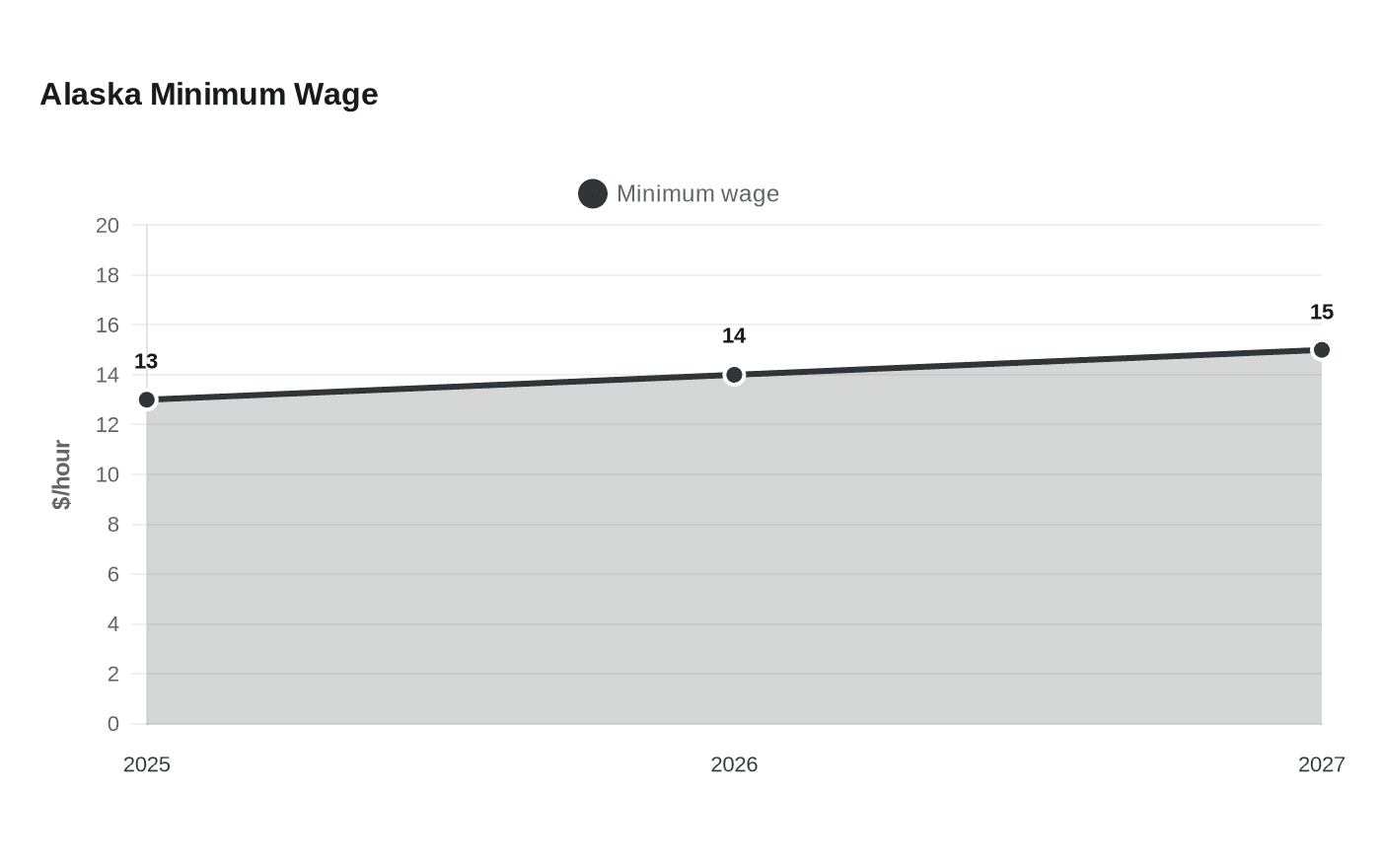
The Alaska Department of Labor and Workforce Development says the higher floor comes from Ballot Measure 1, which voters approved on Nov. 5, 2024. State guidance says the law applies to all hours worked in a pay period, whether a worker is paid by the hour, by piece, by commission or another method. Alaska is already scheduled to lift the floor again to $15 on July 1, 2027, and then index it to inflation each Jan. 1 starting in 2028. The same measure also created paid sick leave rules and limits on mandatory meetings built around political or religious opinions.

For Target team leads and store directors, that makes the July payroll change only the first step. A higher legal minimum can squeeze the gap between new hires and longer-tenured workers, which puts pressure on pay compression, job-posting language and the way leaders explain raises to current team members. It can also affect scheduling decisions, because stores have to balance labor budgets with a higher wage floor while keeping enough coverage in departments that already rely on flexible roles such as On-Demand.
The size of the change is not trivial. The Economic Policy Institute estimated before the vote that a $15 Alaska minimum wage would raise pay for about 30,800 workers, or 9.7% of the state’s wage-earning workforce, and would put about $51.1 million into workers’ pockets each year. A separate EPI fact sheet put the average gain for an affected full-time, year-round worker at about $1,659 a year. Alaska Beacon said the state’s July wage step was part of a broader path from $13 in 2025 to $14 in 2026 and $15 in 2027.
State labor officials are also trying to help employers adjust. The Alaska Department of Labor says it offers free counseling and monthly webinars on wage-and-hour compliance, a signal that store managers, HR partners and payroll teams will need to keep a close eye on how the new rate is built into timekeeping and pay systems. For Target workers in Alaska, July 1 is the day the floor moves, but the questions about wage gaps, scheduling and promotion paths are likely to last well beyond the first higher paycheck.
This article was produced by Prism’s automated news system from verified source data, official records, and press releases, then run through automated quality and moderation checks before publishing. The system is built and supervised by the people who set the standards it runs under. Read our full AI policy.
Did this article answer your question?