Apple closes first unionized U.S. store, sparking labor backlash
Apple shut its Towson Town Center store, the first unionized Apple retail location in the U.S., after a fight over transfer rights. The closure drew lawmakers, the NLRB and a labor backlash.
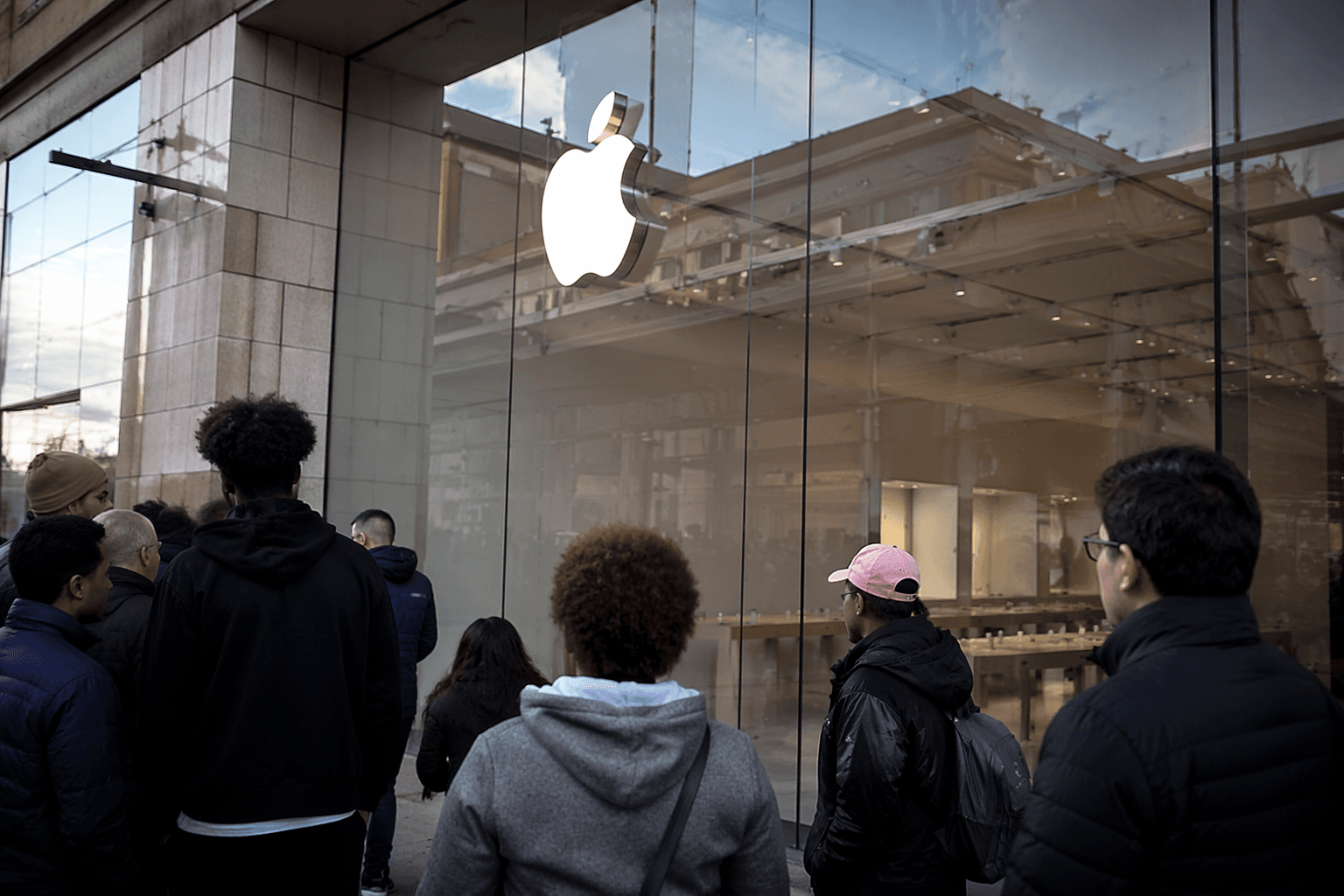
Apple shut its Towson Town Center store and turned a mall closure into a union fight that reached lawmakers, the National Labor Relations Board and workers across retail. The Towson location was the first Apple retail store in the United States to unionize, and its closing became a test of how much protection employees really have when a company changes course.
Apple had announced in April that it would close three U.S. stores on June 20: Towson Town Center in Maryland, the Shops at North County in California and Trumbull Mall in Connecticut. The company said the decision was tied to the departure of several retailers and declining conditions at those malls. Apple also said Trumbull and North County employees would continue at nearby Apple Retail stores, while Towson employees were eligible to apply for open roles under the collective bargaining agreement.
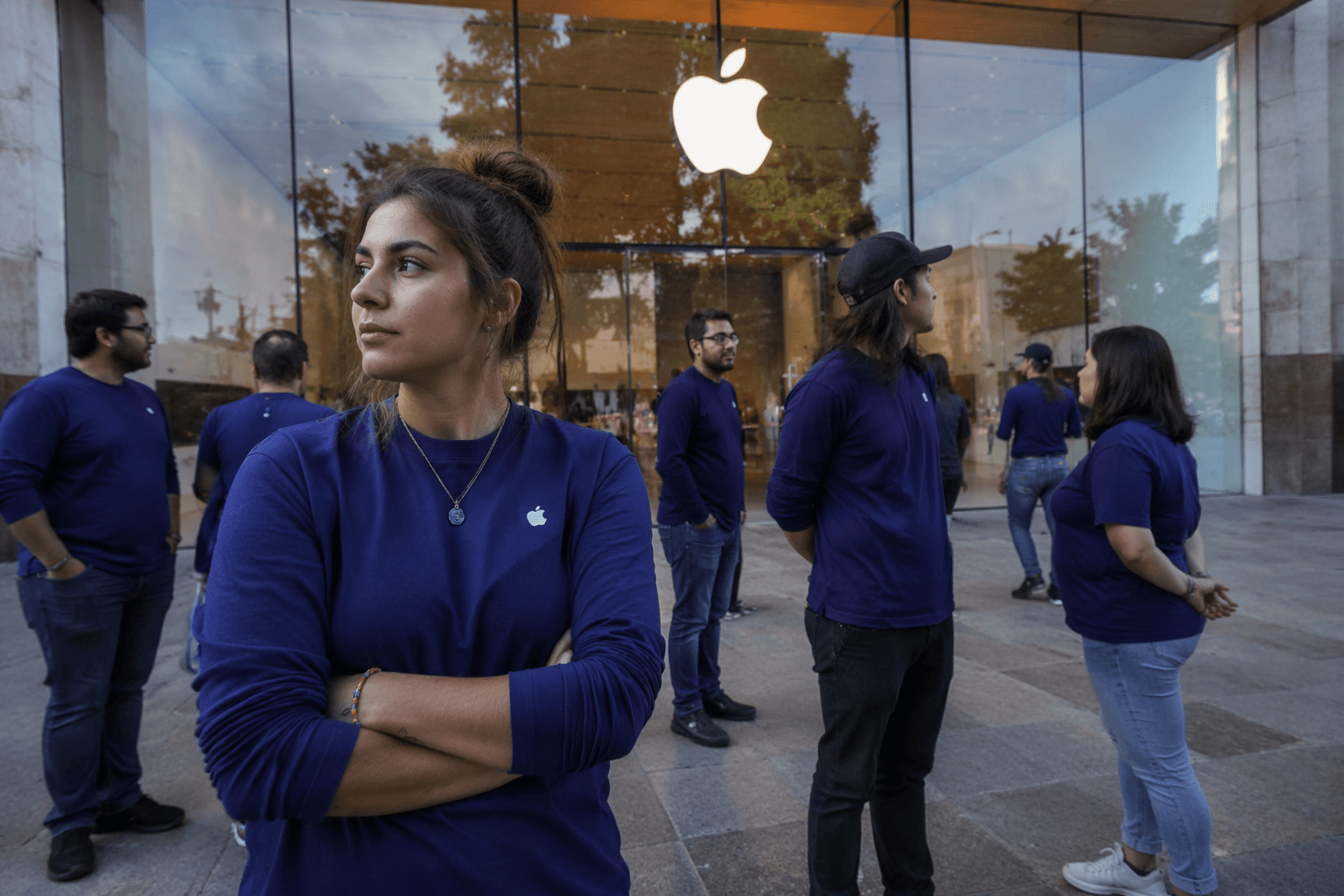
That difference is what set off the backlash. The Towson store, which opened in 2002, unionized in 2022 in a 65-33 vote with the International Association of Machinists and Aerospace Workers’ Coalition of Organized Retail Employees. On April 27, the IAM Union filed an unfair labor practice charge with the NLRB, alleging Apple unlawfully discriminated against unionized Towson workers by denying them transfer rights and other opportunities that non-represented employees at closing stores received. Apple said the agreement required transfers within 50 miles if it opened another store in that range and said it would abide by the negotiated contract.
The closure quickly became a political issue. CBS Baltimore reported a rally on May 27 with union members and lawmakers, as roughly 90 workers at Towson faced losing their jobs. Baltimore County Rep. Kweisi Mfume said collective bargaining and labor rights had to be respected. Baltimore Mayor Brandon Scott also backed the workers, and Maryland Gov. Wes Moore later urged Apple to give Towson employees the same transfer rights and opportunities afforded to other employees. On June 1, 40 members of Congress asked Apple CEO Tim Cook and incoming CEO John Ternus to reconsider the closure.
For Target workers, the Apple case is a reminder that store closures are never just about real estate. Transfer rights, notice, severance and whether managers treat union and nonunion workers the same can become the whole story once a location is at risk. When a closure lands at a unionized store, the stakes rise fast, and the company’s handling of the move can shape how workers in the next organizing campaign view the risks and protections on the table.
This article was produced by Prism’s automated news system from verified source data, official records, and press releases, then run through automated quality and moderation checks before publishing. The system is built and supervised by the people who set the standards it runs under. Read our full AI policy.
Did this article answer your question?