Back-to-school shopping tests Target’s pricing, inventory and AI planning
Back-to-school now hits Target as a test of price tags, substitutions and replenishment, with inflation, tariffs and AI all changing the shift.
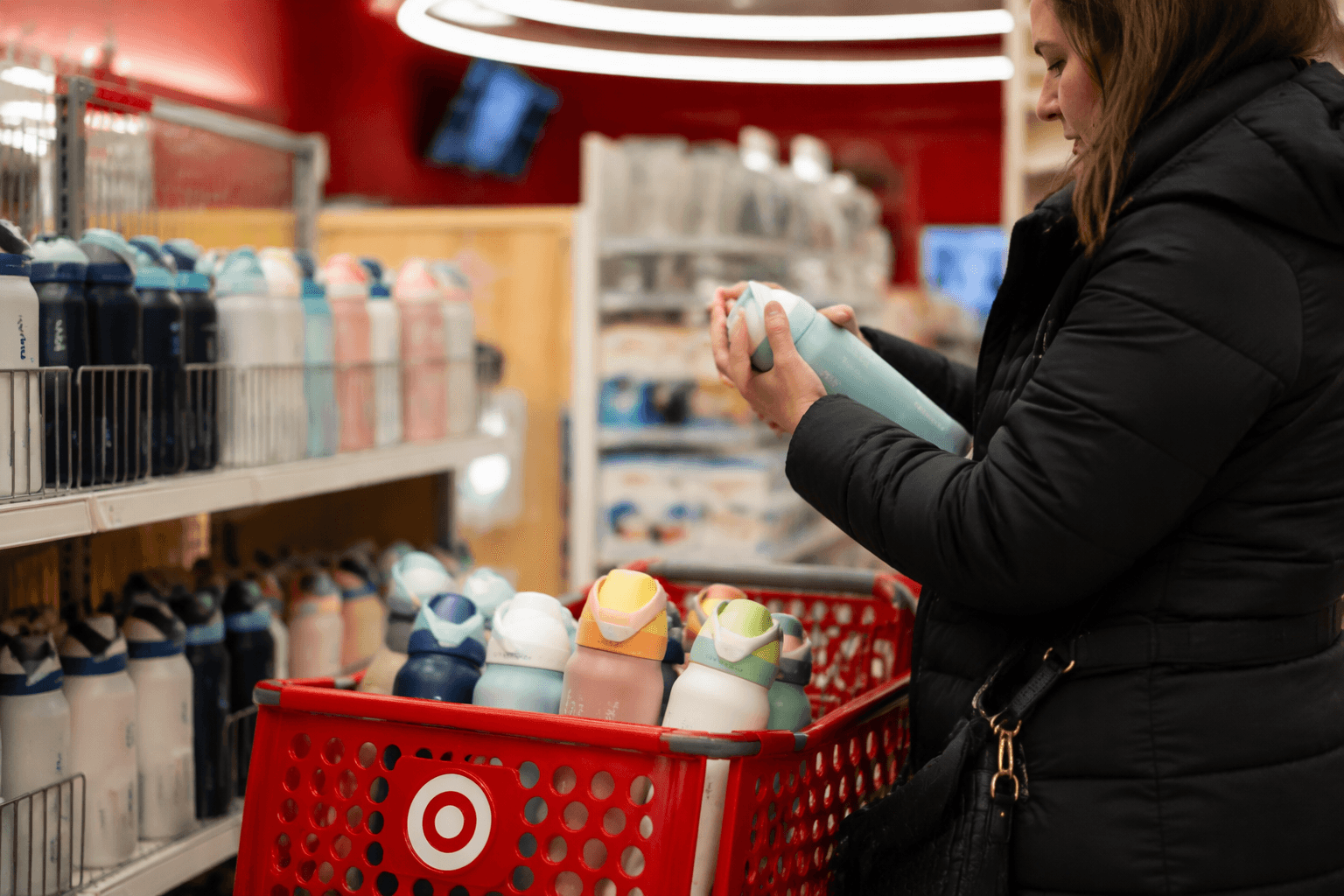
When families start comparing notebooks, folders and dorm basics line by line, team members feel every shelf-tag change, every out-of-stock and every substitution conversation. The backpack aisle is where Target’s pricing, inventory and planning systems meet the guest in real time, and Jose Jurado treats back-to-school as one of the biggest retail tests of the year.
Inflation puts value front and center
For Target teams, inflation shows up first as a different tone in the aisle. Guests arrive ready to compare prices, split baskets into must-haves and nice-to-haves, and ask why one pack of crayons costs more than another. Target leaned into that pressure by keeping 2024 prices on back-to-school items and offering a basket of must-have items for less than $20, including crayons, notebooks and folders.
That kind of pricing message changes the job on the floor. Team members need to know where the lower-cost options are, which private-label options can stand in for national brands, and which endcaps are built to catch value-focused shoppers before they walk out. If a guest is already doing mental math in the aisle, the fastest service is a direct answer: here is the cheaper option, here is the multi-pack, here is what is left in stock.
Tariffs turn assortment into a moving target
Tariffs matter less as a headline than as a series of small operational disruptions. Target cut its annual forecasts as tariff pressure mounted and demand slowed further, and the company expected meaningful year-over-year profit pressure because of tariffs and other costs. First-quarter revenue came in at $23.85 billion and missed estimates, and Target also cut its annual sales forecast after a sharp fall in same-store sales.
For store teams, that pressure rarely appears as one big change. It shows up as a backpack size run that does not match demand, a notebook brand that suddenly has tighter supply, or a dorm essential that moves from plentiful to spotty faster than planned. Imported items can get more expensive or harder to plan around, which makes substitution questions more common and turns every out-of-stock into a service issue: what is the alternative, where is it, and can the guest trust the price?
The company’s 2025 annual report put total merchandise sales at $102,717 million, so a few weak shelves in school supplies may look small from a distance but can ripple through a massive traffic moment. Back-to-school is one of the few periods when that scale is visible at the team-member level, because a problem in one department can send a guest to another retailer or to online fulfillment immediately.
AI is already shaping the work behind the shelves
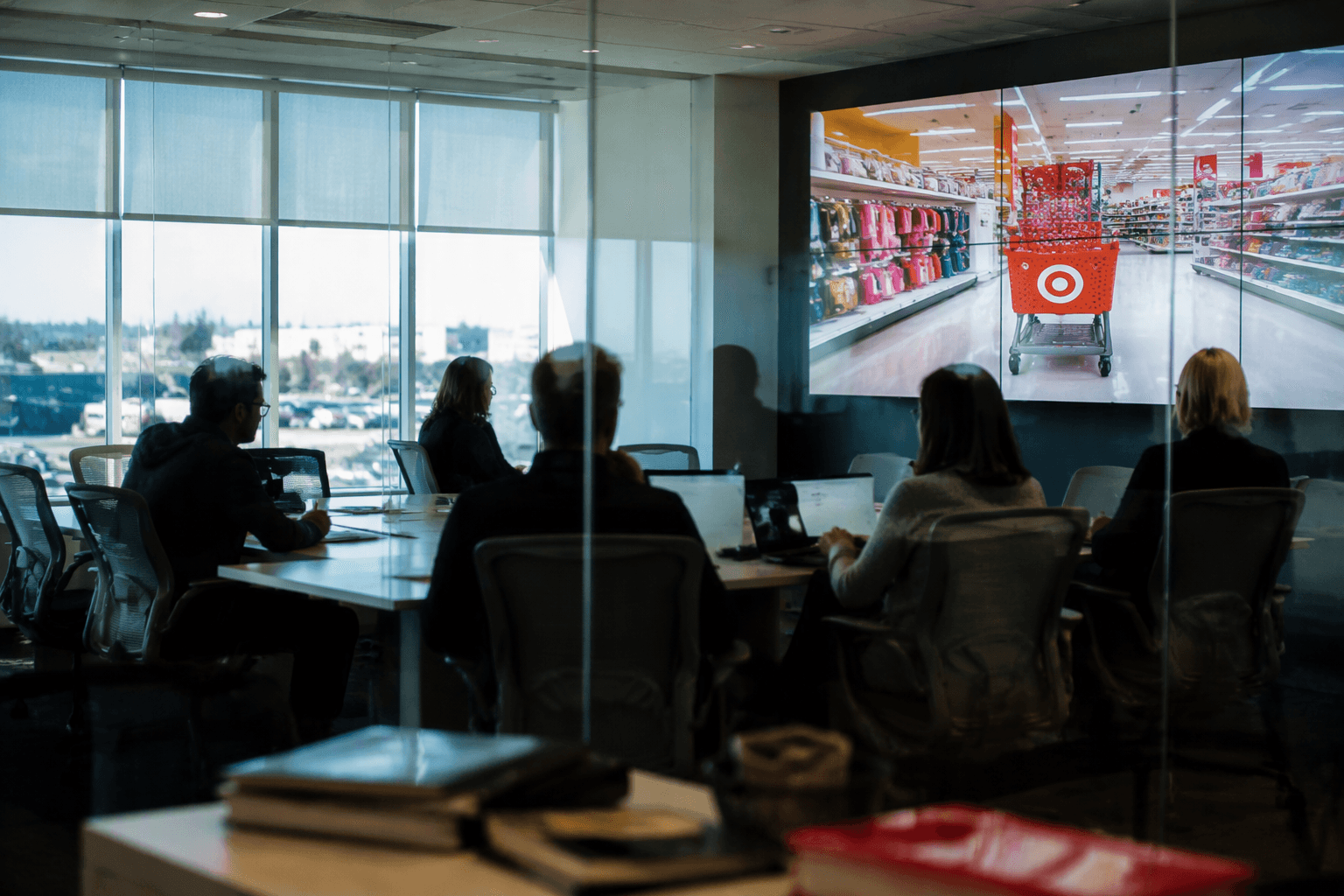
In retail, AI usually shows up in forecasting, merchandising, labor planning and inventory flow, not as a robot on the sales floor. Jose Jurado, a senior research economist at Arizona State University’s W. P. Carey School of Business, has used back-to-school season to show how retailers are increasingly using AI to forecast inventory needs. Retailers are using AI-powered forecasting tools to predict consumer behavior.
For Target teams, that means more of the work is being decided upstream before the truck hits the dock. If the forecast is good, replenishment lands where the demand is, localized promotions make sense and digital orders can be fulfilled without blowing up the aisle. If the forecast misses, the floor feels it immediately in short size runs, mismatched planograms and more guest complaints about why one store has an item and another does not. It is part of the system that decides what gets sent, when it gets sent and how much labor a store needs to handle it.
The season starts earlier, and that compresses everything
Families have also changed their timing. A National Retail Federation survey found that two-thirds of Americans with school-aged children had started back-to-school shopping in July, the earliest on record. Tariffs and inflation pushed many parents to shop early, trying to get ahead of higher prices and avoid being caught by a late-season jump.
That matters on the Target floor because early shopping compresses the replenishment window. Demand that used to arrive later in the season now hits sooner, which means misses on notebooks, polos, dorm bins or calculators become visible earlier as well. Teams can expect more traffic in July, faster sell-through on the obvious staples and a longer stretch of guests asking whether something will be back before school starts.
What team leads can watch on the next shift
It is the guest asking if there is a cheaper notebook, the parent checking whether a backpack with the right size run is on another endcap, or the college shopper wanting to know if the dorm set can be picked up today. In those moments, pricing, inventory and AI planning turn into one conversation.
- Keep endcaps tight on value items and know which low-priced substitutes are live on the floor.
- Watch for fast-moving gaps in backpacks, notebooks, folders and dorm basics before they turn into empty shelves.
- Be ready to explain price differences clearly when guests compare shelf tags or ask why one item changed.
- Flag digital demand, because online orders can drain the same inventory the store needs for walk-in guests.
- Escalate replenishment issues early, since a missed delivery in July can affect the entire season.
A practical back-to-school shift at Target now revolves around a few tasks:
This article was produced by Prism’s automated news system from verified source data, official records, and press releases, then run through automated quality and moderation checks before publishing. The system is built and supervised by the people who set the standards it runs under. Read our full AI policy.
Did this article answer your question?