Target’s Code of Ethics guides workers on tough decisions
Target’s ethics code is more than a compliance sheet: it tells team members when to speak up, where to look for guidance, and how behavior ties to safety, respect and trust.
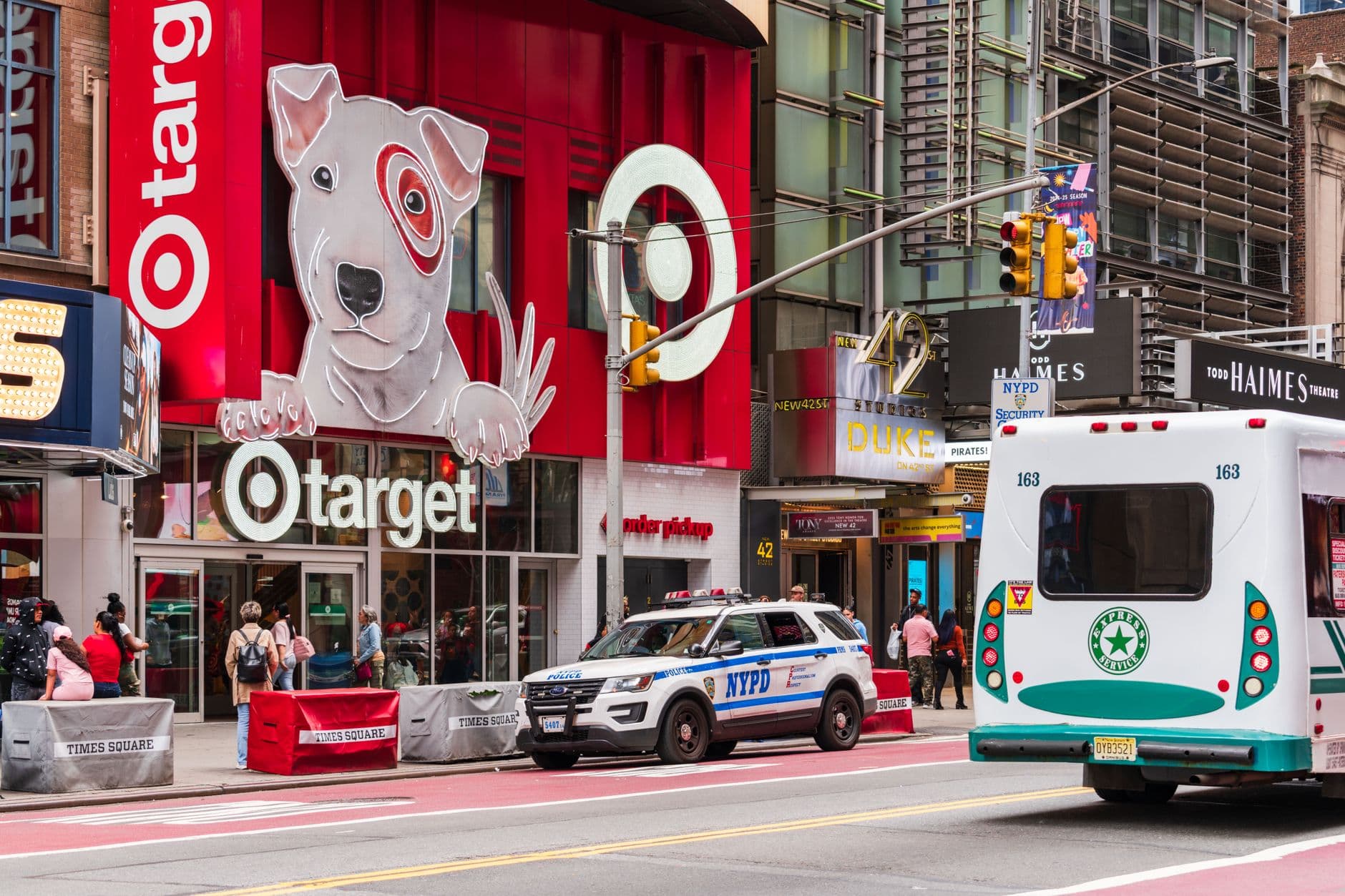
Target’s Code of Ethics tells team members and leaders to use judgment, raise concerns, and protect the trust that keeps stores, distribution centers and office teams working together. It is the playbook for moments when a decision is not obviously right or wrong and nobody is standing over your shoulder.
What the code is really for
The code is not just a compliance checklist tucked into a corporate site. Target organizes it around practical workplace problems: making ethical choices, working together, showing respect at work, promoting health and safety, and reporting concerns. Those headings show what the company expects people to think about when the issue is a conflict of interest, a gift or favor, a fairness concern, or a process that does not feel honest even if it has not crossed a clear line yet.
A lot of workplace problems start in the gray zone. A team member may not know whether a vendor lunch is acceptable, whether a supervisor’s behavior is creating a hostile atmosphere, or whether a shortcut on process is harmless or risky. The code gives you a structure for deciding what to do next instead of leaving you to guess.
Where the ethics rules sit inside Target’s broader governance setup
Target does not treat ethics as a standalone document. Its corporate site has an “Operating Ethically” section, and the company also maintains a Corporate Governance page. The Corporate Governance page says strong practices reflecting the rights, roles and responsibilities of shareholders, the Target Board of Directors and management are the foundation for serving shareholders, guests, team members, vendors and the communities where Target operates.
The language connects front-line behavior to board-level expectations. When Target says governance serves team members, vendors and communities as well as shareholders and guests, it is signaling that ethics is part of how decisions flow through the business, not just a compliance topic for lawyers and auditors.
Target’s 2024 Sustainability and Governance Report included an “Operating Ethically” section, and its 2025 Sustainability and Governance Report included a “Policies and Resources” section.
What the code asks you to watch for
The current Code of Ethics table of contents is useful because it points to the kinds of situations Target wants employees to recognize early. It includes “reporting concerns,” “how to comply with our Code,” “making ethical choices,” “working together,” “show respect at work,” and “promote health and safety.” A later version uses the heading “support belonging at the Bullseye” where an earlier version used “appreciate our diversity and demonstrate inclusivity.”
Target is still covering the same ground, but the emphasis is on belonging, respect and inclusion as daily behaviors, not abstract values. For team leads and ETLs, the code is also a management tool. It sets expectations for how to handle teamwork, how to respond when someone raises a concern, and how to make sure respect and safety are visible in the way a team runs.
Here is how that looks in practice:
- A conflict of interest should be raised before it becomes a problem, not after a decision has already been made.
- Gifts or favors from a vendor should be treated as a judgment issue, not a casual perk.
- Concerns about how someone is being treated at work should be handled through the company’s ethics framework, not brushed off as personality conflict.
- Any process that seems dishonest, unsafe or unfair belongs in the code’s reporting and compliance lane.
How to stay inside policy day to day
Use the code as a checkpoint before you act. If a situation touches honesty, fairness, safety, respect or compliance, the code is the place to start.
For workers, staying inside policy means more than memorizing rules. It means asking whether a decision could look unfair to a teammate, create a conflict with a vendor, undermine health and safety, or weaken trust with guests. The code’s focus on making ethical choices and showing respect at work suggests that Target wants people to think about both the result and the way they get there.
For leaders, the practical test is whether the team feels safe bringing up a concern before it escalates. A code that exists only on paper does not change store culture. Using the code in huddles, coaching conversations and escalation decisions can shape whether problems are hidden or handled early.
Why reporting matters, and who the code reaches
Target gives the code a dedicated reporting concerns section, which shows the company expects employees to use formal channels when something is off. Ethics problems are often easiest to solve when they are raised early, while they are still contained. Waiting until a concern becomes a pattern can turn a manageable issue into a larger compliance, safety or morale problem.
Target’s ethics expectations do not stop at store behavior. The company publishes a Business Partner Code of Conduct and supply chain labor and human rights policies, which show that the same standards extend to suppliers and other partners. The Business Partner Code of Conduct says Target’s purpose is to help all families discover the joy of everyday life, and that business partners are expected to uphold Target’s values.
Many store-level decisions are tied to vendor relationships, logistics and supply chains. An ethics issue in merchandising, replenishment or vendor coordination can quickly become a business-partner issue, not just an internal one.
This article was produced by Prism’s automated news system from verified source data, official records, and press releases, then run through automated quality and moderation checks before publishing. The system is built and supervised by the people who set the standards it runs under. Read our full AI policy.
Did this article answer your question?