Target tightens Pokémon card limits to curb reseller activity
Target is opening Pokémon TCG boxes and capping collectible sales at two per guest a day, pushing store teams to enforce anti-reseller rules at the register.

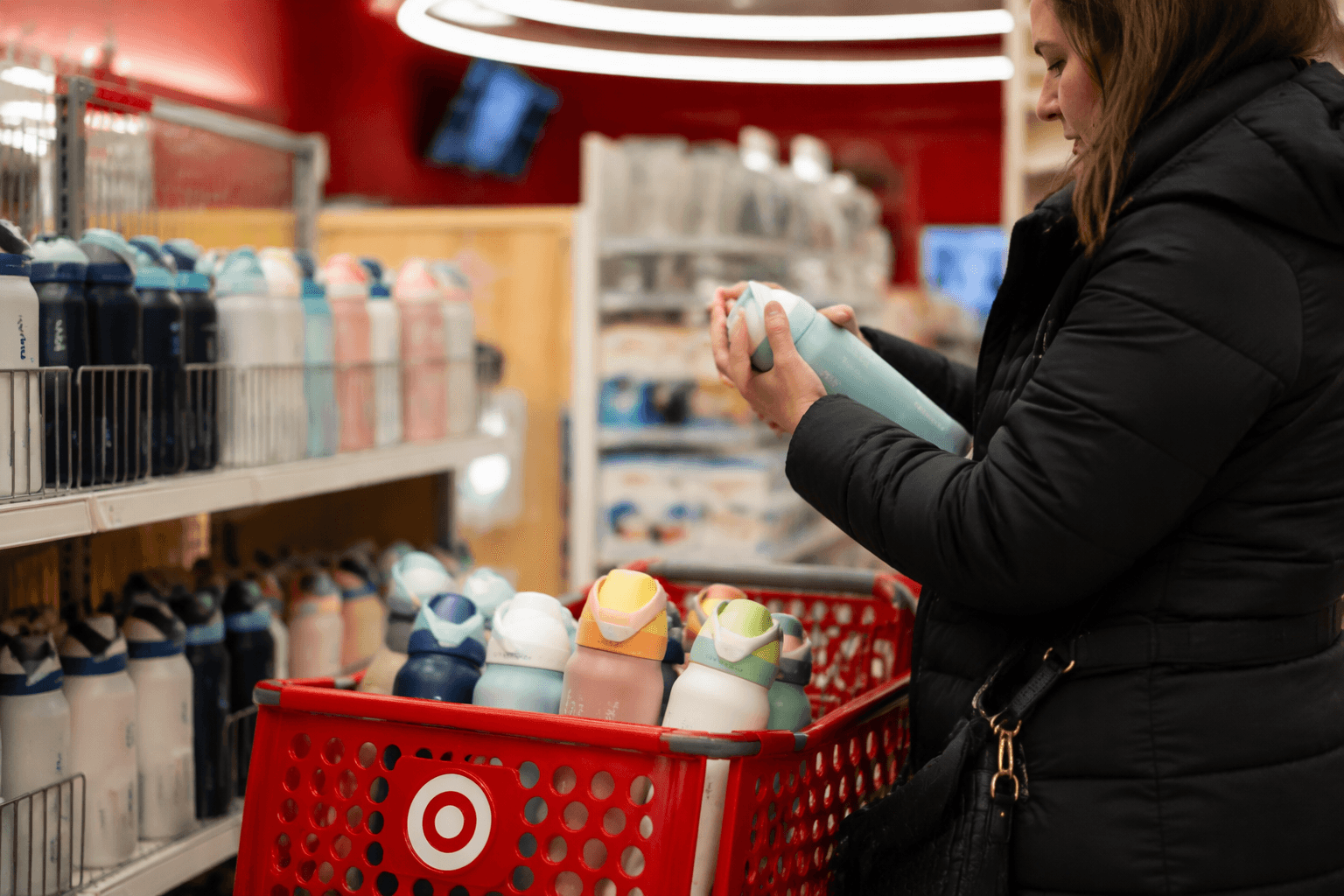
Target locations are opening Pokémon TCG products before sale and limiting collectible purchases to two items per guest per day, a move aimed at making it harder for resellers to strip shelves and flip sealed product online. In stores where the rules are being enforced, the policy changes the front end fast: team members have to explain why boxes are already opened, why limits apply, and why some items are no longer sitting in the aisle.
Some stores have also moved Pokémon cards or bundled product behind guest services, adding another layer of control that shifts more interaction to service desks and closing teams. Collectors have shared signs and store instructions that describe purchases as for personal use only, ban overnight camping, and limit lines for high-demand collectibles to 30 minutes before opening, all of which create more opportunities for friction when guests arrive expecting first-come, first-served access.
The anti-reseller push is part of a longer pattern. Target previously stopped selling Pokémon cards in some stores, citing safety concerns, a reminder that this category has already forced the retailer to rethink how it handles demand spikes and crowd behavior on the sales floor. In that earlier episode, cards remained available online even as some store locations pulled back in person.
Target still treats Pokémon as a traffic driver. Its corporate site carried a Pokémon x Target Drop 2 promotion scheduled for June 6, 2026, and a separate page in September 2025 on Target’s Pokémon and trading card assortment, underscoring how much the brand still leans on the franchise even while tightening the rules around it. The tension for store teams is straightforward: Pokémon brings guests in, but the same demand also asks employees to police line behavior, product access and purchase intent in real time.
This article was produced by Prism’s automated news system from verified source data, official records, and press releases, then run through automated quality and moderation checks before publishing. The system is built and supervised by the people who set the standards it runs under. Read our full AI policy.
Did this article answer your question?