BLS county data shows why Target hiring pressures vary by market
San Mateo County’s wages jumped 11.1% while Buncombe County’s jobs rose 3.7%, showing why Target’s pay pressure changes store by store.

Target’s hiring fight does not look the same in every ZIP code, and the latest county numbers make that plain. In San Mateo County, California, average weekly wages rose 11.1 percent, the biggest jump in the country, while Buncombe County, North Carolina, posted the largest year-over-year employment gain at 3.7 percent. That split matters on the sales floor: one store may be trying to hold onto workers in a high-cost market where wages are moving fast, while another is hiring into a labor pool that is expanding more quickly.
The U.S. Bureau of Labor Statistics released the county employment and wages data on June 2, using December 2025 employment figures and fourth-quarter 2025 wage data. The series is part of the Quarterly Census of Employment and Wages, which BLS says covers more than 95 percent of U.S. jobs and is built from employer-reported payroll data. BLS publishes county rankings because national headlines can hide how sharply local labor markets move in different directions at the same time.

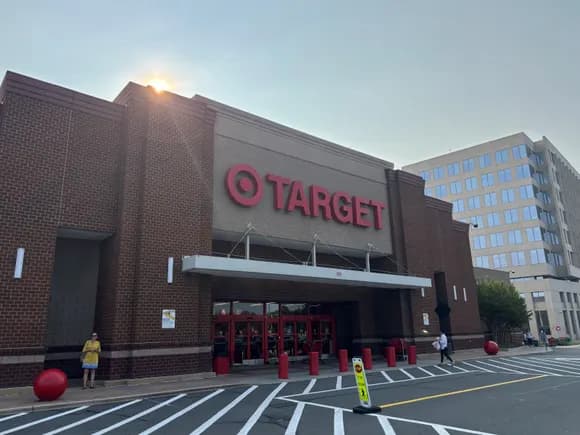
For Target teams, that local variation is the real story. A store in a coastal county with fast wage growth is competing with different employers, commute patterns and rent pressures than a store in a slower-growing inland market. That can affect how quickly open shifts get picked up, how hard it is to fill seasonal roles, how much overtime workers are willing to take, and how likely experienced team members are to stay. When leaders talk about market pay or difficult recruiting, county data like this is the difference between a general trend and the reality inside a specific store.
Target has already built that logic into its pay structure. In February 2022, the company said it would set a starting wage range of $15 to $24 an hour for hourly workers, with the exact rate depending on the job and the local market. Target’s 2025 annual report still describes a $15 to $24 starting wage range for U.S. hourly team members in stores and supply chain facilities. That flexibility is not just a corporate talking point. It is a recognition that a strong job market on a national chart can feel weak, or unfair, once it reaches a store parking lot and the people deciding whether to stay, leave or take the extra shift.
This article was produced by Prism’s automated news system from verified source data, official records, and press releases, then run through automated quality and moderation checks before publishing. The system is built and supervised by the people who set the standards it runs under. Read our full AI policy.
Did this article answer your question?