BLS data show benefits are a major part of Target labor costs
BLS says benefits averaged $14.01 an hour in private industry, a reminder that Target workers should weigh the full package, not just the wage.
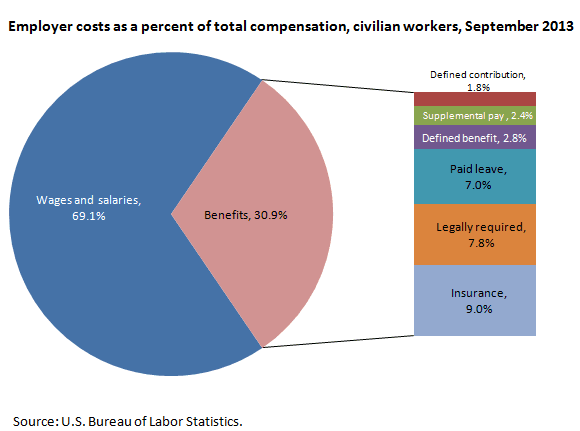
For Target workers deciding whether a job, a transfer or a promotion really pays off, the wage is only part of the answer. The Bureau of Labor Statistics said private-industry compensation averaged $46.60 an hour worked in March 2026, and $14.01 of that total came from benefits, not cash pay.
That matters in retail, where hourly offers are easy to compare but harder to judge fairly. The BLS also said compensation costs rose 0.9% from December 2025 to March 2026 and 3.4% over the year, while benefit costs rose 1.3% over the quarter and 3.6% over the year. Its Employment Cost Index is built to track the hourly labor cost of a fixed basket of wages and benefits, which is exactly why the non-wage side of the ledger deserves attention.
Target’s own pay-and-benefits pages make the same case in practical terms. The company says many of its offerings are available on day one, with access to DailyPay, no-cost 24/7 virtual care, free confidential mental health support through Spring Health, a 10% discount for eligible team members, 20% off wellness products, 20% off adult owned-brand apparel and accessories, education assistance through Dream to Be, medical, vision and dental coverage, paid time off, sick pay, paid national holidays and up to four weeks of paid family leave at 100% pay replacement. Eligible workers also get dollar-for-dollar 401(k) matching up to 5% of pay with immediate vesting.
The pay scale is only part of the story too. Target says frontline starting pay ranges from $15 to $24 an hour depending on role and location, and that its average hourly wage for frontline team members is above $18.50. For a worker comparing a Target job with another retailer that advertises a slightly higher base rate but thinner benefits, the better deal may be the one with stronger health coverage, family leave and retirement support.

The timing is not accidental. In February 2026, Target said it would add store labor and cut about 500 other roles, including about 100 store-district jobs and about 400 supply-chain positions, as it tried to improve guest experience. CNBC reported that the move followed complaints about sloppier stores, out-of-stock items and longer checkout lines. Target’s 2025 annual report said 2026 would bring more change than the company had seen in a decade.
That makes the total package more important, not less. A Target job is not just a wage rate on a schedule board. It is pay, health coverage, paid leave, retirement match, discount value and scheduling support bundled into one labor cost, and the BLS numbers show why workers should evaluate all of it before deciding what a role is really worth.
This article was produced by Prism’s automated news system from verified source data, official records, and press releases, then run through automated quality and moderation checks before publishing. The system is built and supervised by the people who set the standards it runs under. Read our full AI policy.
Did this article answer your question?