China’s consumption push could reshape Target’s supply chain by 2030
China’s new consumption plan points to tighter sourcing and slower inventory turns for Target, especially in home, apparel, accessories and other imported basics.
A 2030 retail-sales target of about 60 trillion yuan, or $9 trillion, could eventually show up at Target in the form of tighter sourcing, longer lead times and sharper price pressure in key imported categories. China’s first five-year plan focused entirely on consumption set the target, which implies annual retail sales growth slowing to about 3.7 percent from roughly 5 percent over the previous five years.
The plan, released Monday by the State Council and Communist Party of China Central Committee, covers the 15th Five-Year Plan period from 2026 through 2030. It is China’s first five-year plan dedicated exclusively to expanding consumption. Consumption has become the primary engine of China’s economic growth.

Stronger local demand in China means Chinese factories and suppliers are serving domestic buyers at the same time they are still serving U.S. retailers. More domestic buying can soak up capacity, stretch production schedules and complicate negotiations on price, especially in categories Target leans on for volume and value: seasonal goods, home goods, apparel, electronics accessories and low-priced essentials that depend on globally sourced components.
Services spending is also a priority. China will prioritize elderly care, childcare, health, tourism, sports and education. Earlier in 2026, China released a March plan on special initiatives to increase consumption, a January work plan to foster new growth drivers in service consumption and an April target for a 100 trillion yuan services sector by 2030.
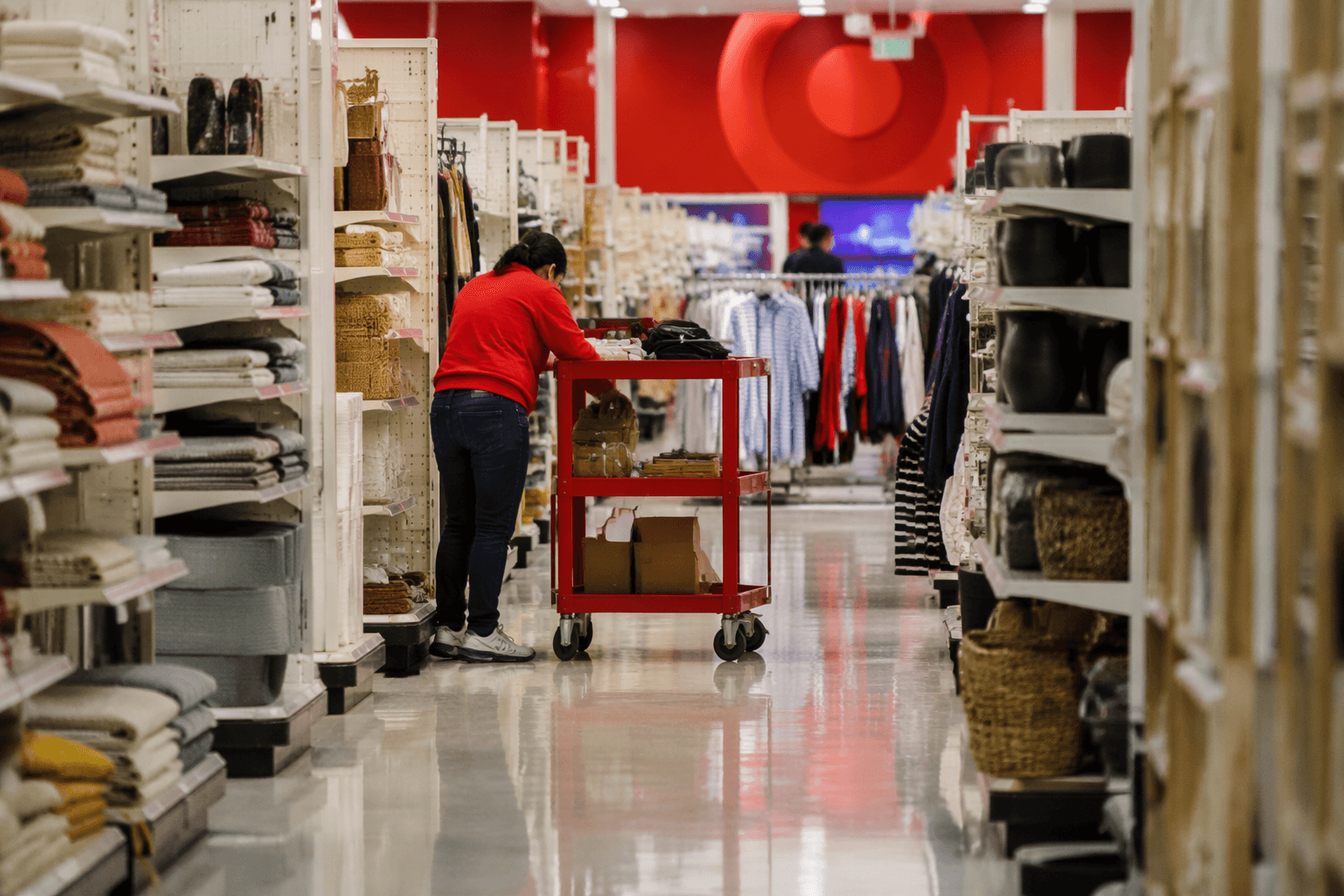
If sourcing gets tighter, Target may need to order earlier, carry more buffer inventory or accept less flexibility on promotions. If suppliers push through higher costs, the pressure can land in everyday price negotiations, especially on items where guests notice every dollar: basics, small home purchases and low-ticket seasonal items. Merchandising and planning teams would feel that in assortment decisions, while store teams would feel it when a popular item is late, short or priced higher than last season.
This article was produced by Prism’s automated news system from verified source data, official records, and press releases, then run through automated quality and moderation checks before publishing. The system is built and supervised by the people who set the standards it runs under. Read our full AI policy.
Did this article answer your question?