Consumer confidence slips, raising value pressure at Target stores
Shoppers are getting more price-sensitive as confidence slips, and Target workers are likely to see smaller baskets, more coupon questions and tougher value conversations.
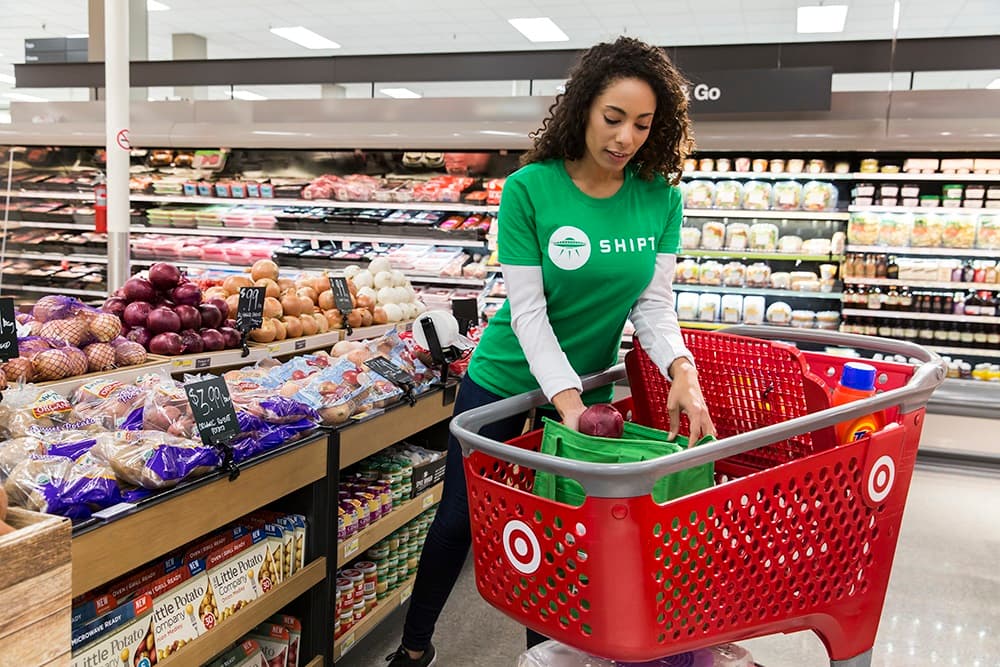
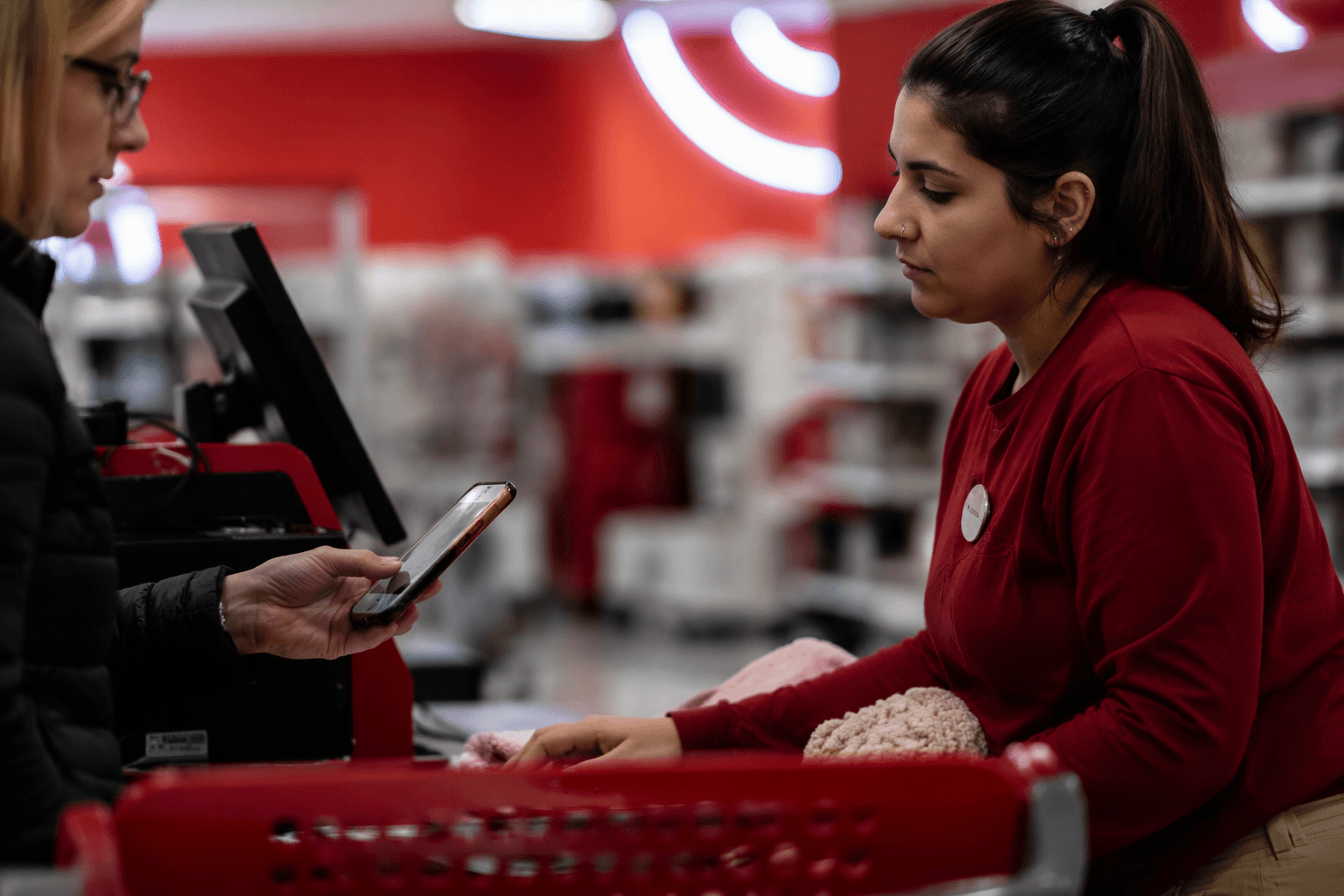
Target stores are likely to feel the change first on the sales floor, where nervous shoppers tend to trim baskets, compare unit prices more aggressively and ask whether a deal really stacks before they buy. The latest consumer confidence readings point to exactly that kind of pressure, with inflation worries and a dimmer view of the labor market making everyday trips feel more deliberate.
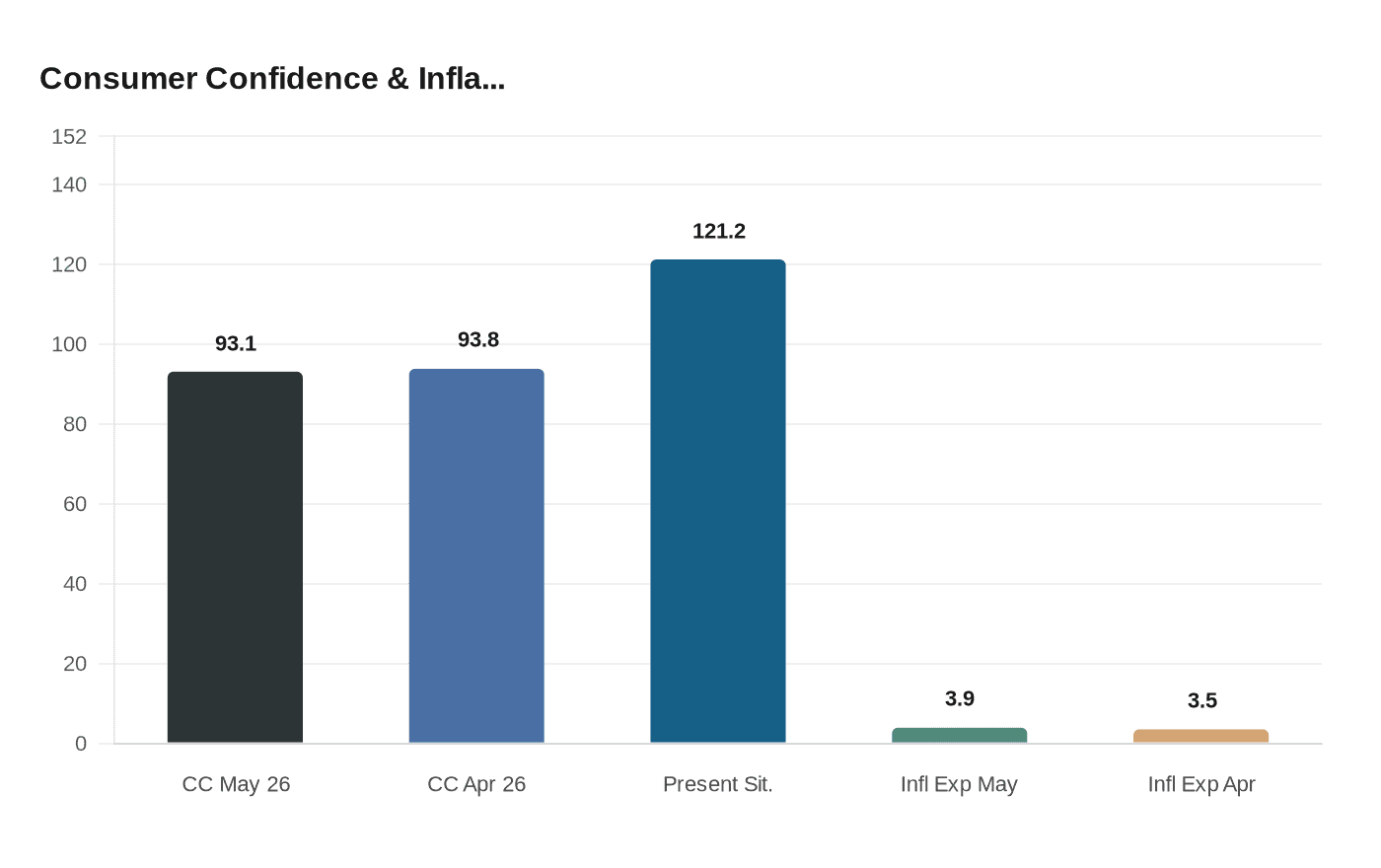
The Conference Board said its Consumer Confidence Index fell 0.7 points to 93.1 in May 2026 from an upwardly revised 93.8 in April, while its Present Situation Index dropped 3.2 points to 121.2. Reuters reported that weaker confidence was tied in part to inflation worries linked to the war in Iran, and the University of Michigan’s May survey showed long-run inflation expectations rising to 3.9% from 3.5% in April. For Target workers, that usually shows up in the basics: more guests asking about price matches, more scrutiny around multi-buy offers, and less impulse buying in apparel, home and seasonal aisles.
Target has already been leaning into that reality. On March 11, the company said it was lowering prices on more than 3,000 spring products across apparel, home, baby essentials and select food and beverages, with most cuts between 5% and 20%. Five days later, Target announced Target Circle Deal Days for March 25 to 27, offering discounts up to 50% for Circle members and early access for paid Target Circle 360 members. Those moves made value messaging a live part of the business, not just a marketing slogan.
The company’s broader strategy shows why the stakes are high. Target said in its March 3 strategy update that it would invest an incremental $2 billion in 2026, including more than $1 billion in capital spending and $1 billion in operating investments. The plan includes store layout changes, higher payroll and training, assortment shifts and more AI-enabled shopping tools. Target also reported full-year 2025 GAAP earnings per share of $8.13 and adjusted EPS of $7.57, underscoring how much pressure the chain is under to keep traffic and margin moving in the same direction.
That leaves store leaders with a familiar but sharper assignment: keep shelves full, explain promotions cleanly and help guests feel they are getting real value when they need essentials now. In May, Target named Jeff England as executive vice president and chief global supply chain and logistics officer, and Michael Fiddelke has continued to frame the chain around style, design, value and trust in stock. With confidence easing and inflation expectations still elevated, those promises will be tested one transaction at a time.
This article was produced by Prism’s automated news system from verified source data, official records, and press releases, then run through automated quality and moderation checks before publishing. The system is built and supervised by the people who set the standards it runs under. Read our full AI policy.
Did this article answer your question?