Consumer sentiment improves, but Target shoppers remain price-conscious
Consumer confidence rose in June, but Target guests are still watching every basket, keeping pressure on price signs, promos and in-stock basics.

The University of Michigan’s final June consumer sentiment reading rose to 49.5 from 44.8 in May, but more than half of consumers still spontaneously named high prices as a drag on personal finances for the third straight month. For Target stores, that means guests may be a little less down on the economy without becoming any less selective at the register.
The survey’s inflation readout makes that caution sharper. One-year inflation expectations held at 4.6% in June, down from 4.8% in May, while five-year expectations eased to 3.3% from 3.9%. The Current Economic Conditions Index rose to 47.7 and the Consumer Expectations Index climbed to 50.7, but the University of Michigan said the year-ahead inflation view was still above the 3.4% level seen in February before the Iran conflict began and above every reading posted in 2024. Even with moderating gasoline prices helping sentiment, the message for store teams is simple: the customer may feel slightly better, but she is still checking whether a trip is worth the spend.
That is the customer Target has been reorganizing around. On March 3, the company unveiled a multi-year growth strategy under Chief Executive Officer Michael Fiddelke and said it would invest an incremental $2 billion in 2026, including more than $1 billion in additional capital expenditures and $1 billion in additional operating investments. Target said the plan would touch store floor plans and displays, payroll and training, assortments in key categories, and more technology, including AI, all aimed at making shopping easier and more personalized. On March 5, Target said it would open more than 30 stores in 2026, including its 2,000th location in Fuquay-Varina, North Carolina.
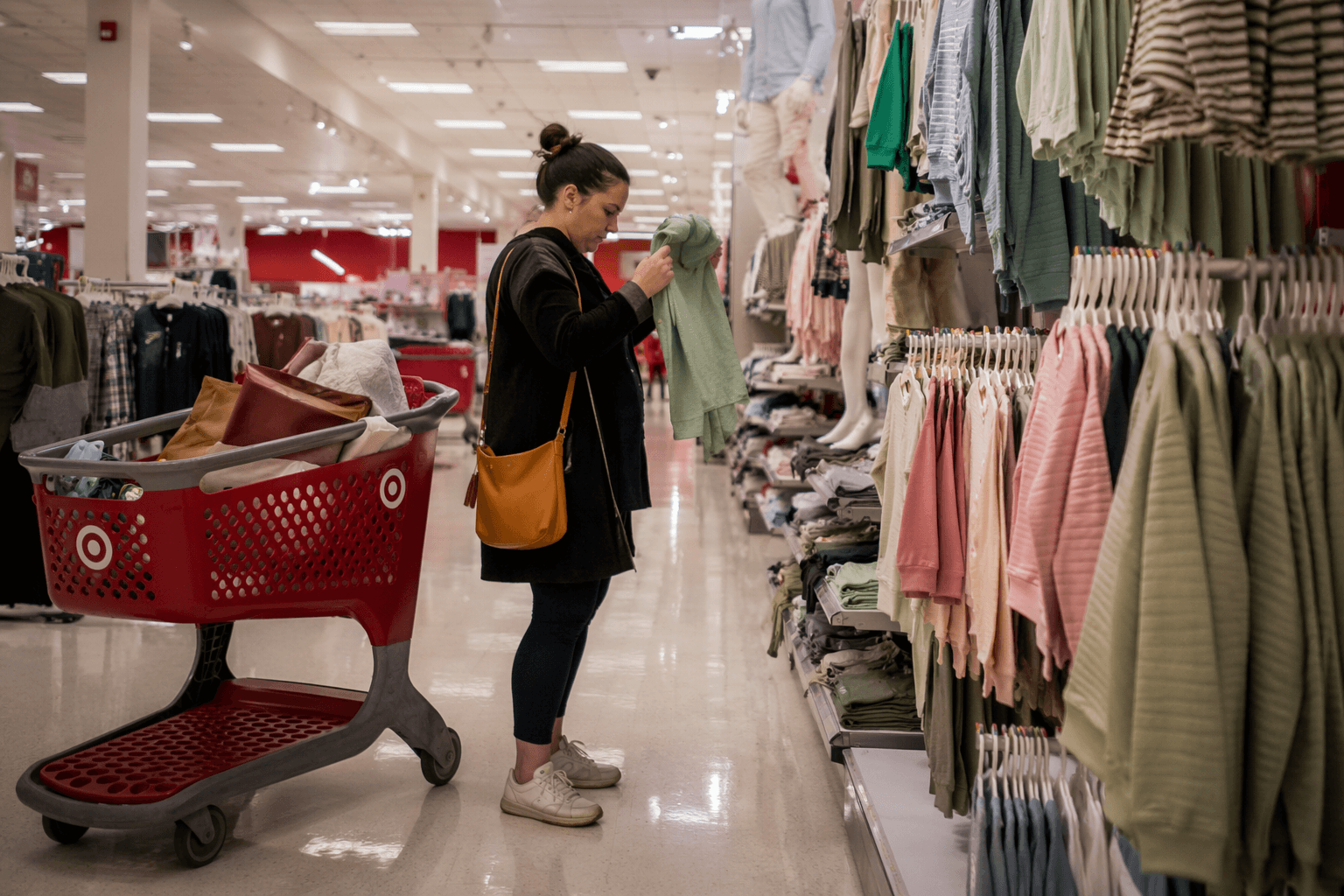
The pricing side of the strategy has been just as direct. On March 11, Target said it was lowering prices on more than 3,000 products across apparel, home goods, baby essentials and select food and beverages, with most cuts set 5% to 20% below the original price. Five days later, the company announced Target Circle Deal Days, a three-day event running March 25 through March 27 with discounts of up to 50% on selected items. In May, Target raised its annual sales growth forecast for the first time in two years, while still warning about a tough macro environment. For team leads and executive team leaders, the June sentiment data suggests the pressure points are unlikely to change much: guests will keep asking about value, watching promotions and expecting strong execution on shelves, signs and in-stock basics.
This article was produced by Prism’s automated news system from verified source data, official records, and press releases, then run through automated quality and moderation checks before publishing. The system is built and supervised by the people who set the standards it runs under. Read our full AI policy.
Did this article answer your question?