DOL says exempt Target managers can do hourly work without losing status
The DOL said salaried managers can take hourly shifts and keep exempt status if their primary duty stays managerial. For Target ETLs, that matters on registers, fulfillment and backroom coverage.
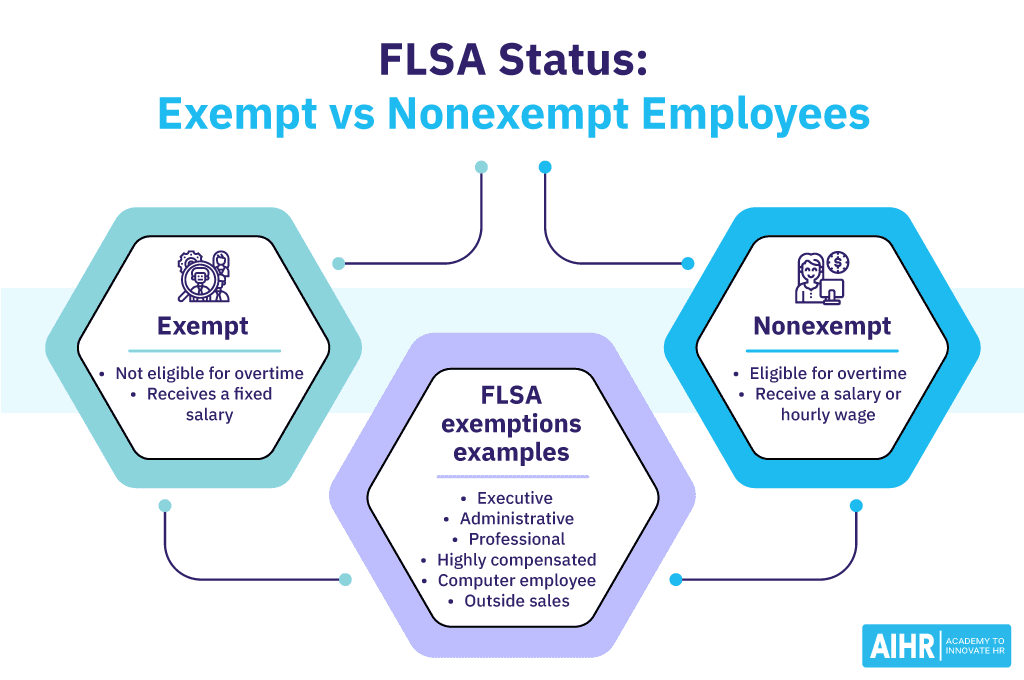
The Labor Department has drawn a clearer line for retailers that routinely ask salaried leaders to jump into hourly work: a manager can pick up nonexempt tasks without automatically losing exempt status, so long as the primary duty stays exempt and salary-basis rules are still met. That matters at Target, where store leaders are often the people who step in when checklanes back up, fulfillment spikes or the backroom needs help.
In Opinion Letter FLSA2026-5, issued May 28, 2026, the U.S. Department of Labor said extra nonexempt work paid at an hourly rate is not enough, by itself, to strip an employee of exempt status. The agency also said that arrangement does not inherently create overtime implications. The example behind the letter came from an academic medical center and a nonprofit acute care hospital, where Nursing Professional Development Specialists sometimes picked up one or two 12-hour Staff Nurse weekend shifts on top of about 40 hours in their exempt role.
The department said the opinion-letter program, relaunched in June 2025, is meant to promote clarity, consistency and transparency in applying the Fair Labor Standards Act. In a separate May 29 news release, Wage and Hour Division Administrator Andrew Rogers said the letters were designed to bring more clarity to employers and workers.

For Target, the practical question is not whether a store leader can ever touch hourly work. It is whether the job still functions as a leadership role. Target’s careers page says Store Executive Team Leaders lead and manage a key business area within a Target store and create store-specific business strategies, language that tracks the kind of exempt-duty analysis the DOL is talking about. In a busy store, that can mean an ETL is running the floor while also helping at the register, in fulfillment, or in backroom workflow.
That distinction matters for payroll, timekeeping and scheduling. If a salaried leader is routinely filling gaps in hourly coverage, the company still has to make sure the role is structured and recorded correctly, and that the manager’s real primary duty remains exempt.
The issue is not theoretical at Target. In February 2025, KARE 11 reported that four assistant store managers, called Executive Team Leaders internally, sued Target in federal court. The lawsuit alleged they spent most of their time stocking shelves, unloading trucks, fulfilling online orders and assisting customers at the register without overtime pay, and said Target understaffed stores while requiring ETLs to absorb hourly workload. The company had not publicly responded at the time.
For Target managers, the new DOL guidance says flexibility is allowed. It also makes clear that flexibility is not a free pass to blur the line between a salaried leader and an hourly worker.
This article was produced by Prism’s automated news system from verified source data, official records, and press releases, then run through automated quality and moderation checks before publishing. The system is built and supervised by the people who set the standards it runs under. Read our full AI policy.
Did this article answer your question?