Dollar General reshuffle shows AI moving deeper into retail operations
Dollar General put its AI chief in charge of delivery functions, a sign discount retail is baking AI into staffing, inventory and store execution.

Dollar General’s June 16 reshuffle sent a clear signal to retail workers: AI is no longer sitting on the side of operations. The company announced nine officer appointments, including Travis Nixon’s move to senior vice president and chief data and artificial intelligence officer, with responsibility for AI strategies and delivery functions such as data engineering and enablement. For Target teams, that points to a future where technology decisions shape how stores are staffed, how inventory moves, and how field performance is measured.
Dollar General had already laid down that marker last November, when it first named Nixon as senior vice president of artificial intelligence optimization. In that role, the company said he would apply AI across merchandising, supply chain and store operations, with a mandate tied to operational excellence, cost efficiency and customer-centric innovation. The latest reshuffle suggests the company is pushing that work deeper into the core operating structure rather than keeping it in a standalone innovation lane.
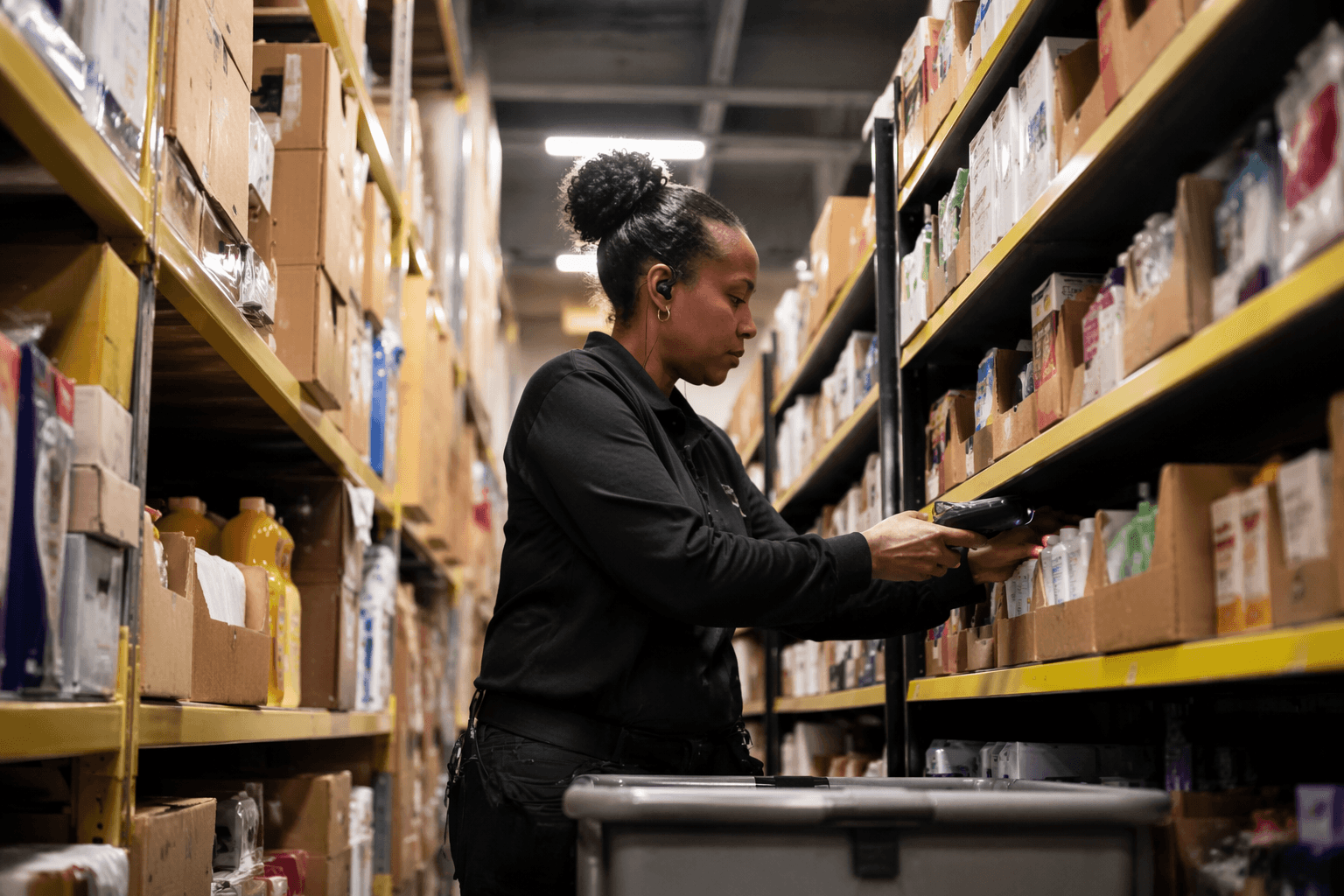
The scale of the chain explains why. Dollar General ended fiscal 2025 with 20,893 stores across the United States and Mexico after opening 589 new locations, and its same-day delivery footprint reached about 18,000 stores, with more than 80% of orders delivered within one hour. It is also continuing remodels through Project Renovate and Project Elevate while migrating applications to the cloud and modernizing legacy systems. At that size, even small changes in forecasting, replenishment or labor planning can ripple across thousands of stores.
Dollar General also disclosed on March 24 that Jerry W. “JJ” Fleeman Jr. will succeed Todd Vasos as chief executive effective January 1, 2027, underscoring that the company is making this technology shift while leadership is in transition. The pattern is familiar across mass retail: new systems, tighter execution and more visibility into what happens in stores.
Target is moving in the same direction, only with a larger spend. On March 3, the company said it planned an incremental $2 billion in 2026 investments, including more than $1 billion in additional capital expenditures and $1 billion in operating investments, with technology and AI among the priorities. In its 2025 annual report, Target said AI is being used to improve search, personalize the loyalty experience, support media and marketplace businesses, and reduce friction for store teams. It said it had already deployed more than 10,000 new AI licenses across teams.
Taken together, the moves show where discount and mass retail are headed: AI is becoming an operating tool for inventory, labor planning, fulfillment and store productivity, and the day-to-day expectations for store leaders are rising with it.
This article was produced by Prism’s automated news system from verified source data, official records, and press releases, then run through automated quality and moderation checks before publishing. The system is built and supervised by the people who set the standards it runs under. Read our full AI policy.
Did this article answer your question?