E.l.f. Beauty rolls back price hikes as shoppers pull back, pressuring Target’s beauty aisle
E.l.f. is backing off tariff-driven price hikes as unit sales cool, a sign Target’s beauty aisles may face more trade-downs, promos and reset pressure.

E.l.f. Beauty’s decision to pull back some tariff-linked price increases is a clear warning sign for Target’s beauty business: shoppers are hitting a price ceiling, and the first place that shows up is on the shelf. The company said on May 20 that fiscal 2026 net sales grew 25% year over year, even as it saw slower unit sales and more consumer pressure after raising prices. Fourth-quarter net sales climbed 35% to $449.3 million, and gross margin rose about 140 basis points to 73%, helped by pricing even as tariffs ate into some of those gains.
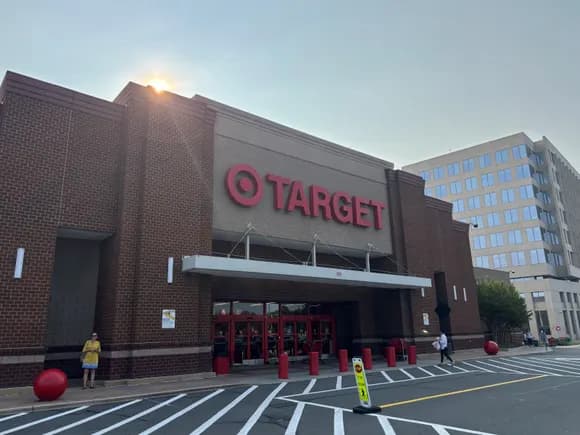
For Target, that matters because beauty is not a side category. It is one of the chain’s traffic drivers, and price perception in beauty can shape whether guests think the rest of the store is worth the trip. Target said beauty delivered mid-single-digit comparable sales growth in full-year 2024, while overall traffic rose 1.4%. In the third quarter of 2024, beauty comparable sales grew more than 6% and guest traffic increased 2.4% year over year. When a brand like E.l.f. adjusts pricing because shoppers hesitate, it suggests the value equation is getting tighter in a category Target has relied on to bring guests in and keep baskets growing.

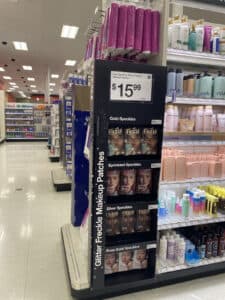
That has immediate implications for store teams. More price sensitivity usually means more questions at the fixture, more comparison shopping, and more pressure to explain why one item costs more than the guest expected. It can also mean more frequent resets as merchants test price points, promotional timing, and assortment mix to protect sales. For team leads and executive team leaders, the operational strain shows up in clean shelves, accurate labels and faster substitution conversations when a popular item gets repriced or moves out of reach. In beauty, those details are often the difference between a guest adding another item or walking away.

The timing is awkward for Target. The company and Ulta Beauty said on August 14, 2025, that they would not renew their shop-in-shop partnership when it ends in August 2026, even as the Ulta Beauty at Target experience continues for now. Target says it will keep offering a differentiated beauty assortment, product-trial events and affordable prices. It also says its 2024 strategy centers on traffic, sales and market share growth through curated assortment, strong value, promotions and the Target Circle loyalty ecosystem, with stores fulfilling more than 96% of total merchandise sales in each of the last three years.
That makes E.l.f.’s move more than a vendor pricing story. It is a test of whether Target can hold value in one of its most visible categories without squeezing margins too hard. If shoppers stay price-sensitive, beauty could become a louder battleground for promotions, mix changes and in-store execution. For Target workers, the signal is simple: the beauty aisle is where price pressure turns into daily store pressure first.
This article was produced by Prism’s automated news system from verified source data, official records, and press releases, then run through automated quality and moderation checks before publishing. The system is built and supervised by the people who set the standards it runs under. Read our full AI policy.
Did this article answer your question?