Fed says inflation stays elevated as Target shoppers get more value-driven
Target workers are seeing more price checks, trade-downs and substitution requests as inflation stays elevated and shopper budgets tighten.
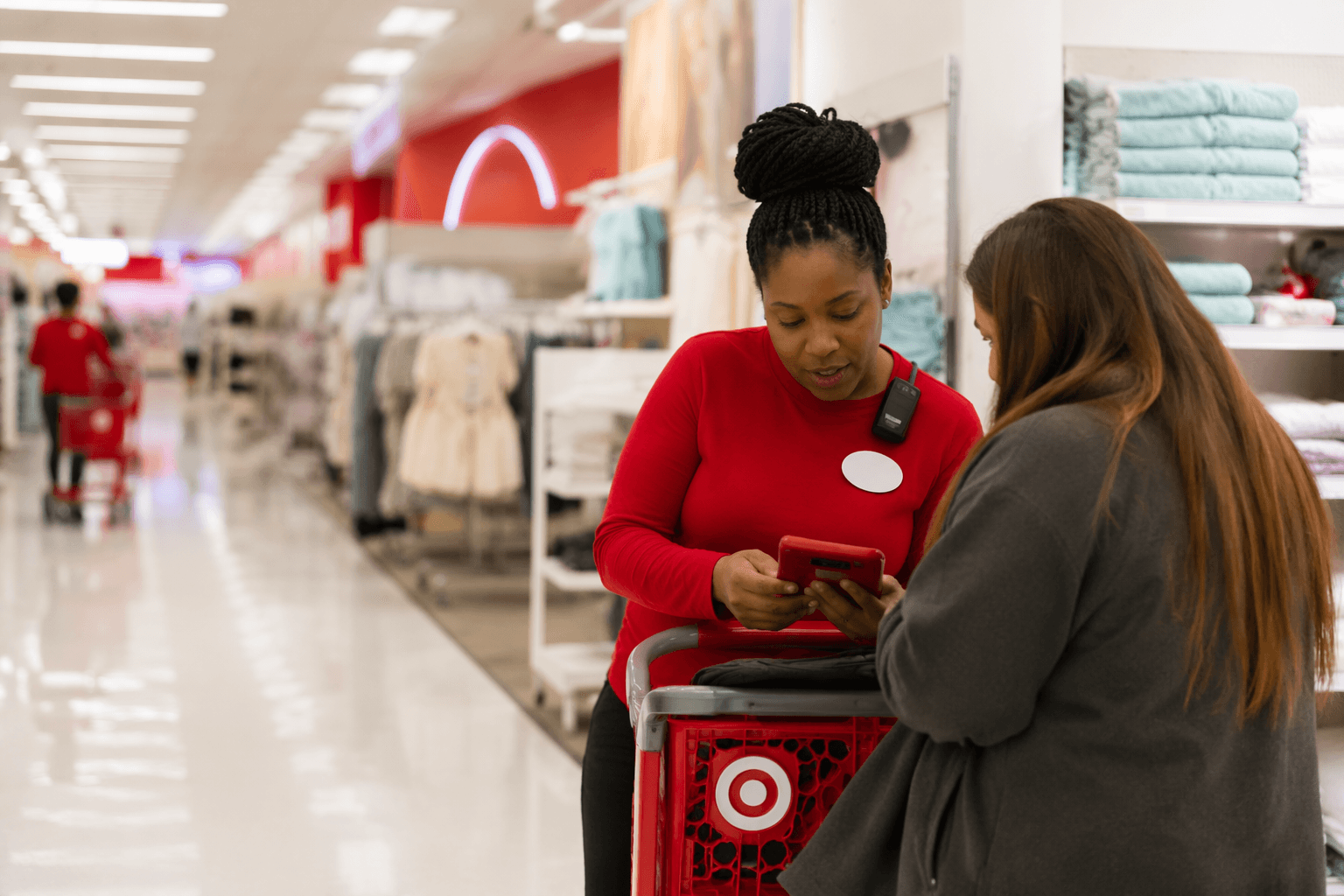
The first signs of stubborn inflation on a Target floor are not in Washington, but at the shelf edge: more price checks, more trade-downs and more substitutions when a favorite item is out of stock. The San Francisco Fed said June 4 that geopolitical instability has kept inflation elevated, slowed economic activity and left consumer spending solid but below expectations.
That matters for store leaders and merchandising teams because the pressure is landing in everyday categories first. The Fed said gas and grocery bills are taking a larger share of household budgets, while continued geopolitical instability could worsen supply bottlenecks and weaken consumer spending. It also said higher commodity prices could delay inflation’s return to its 2% longer-run goal, and households and financial market participants now expect inflationary pressure to persist somewhat even as long-term expectations remain well anchored.
For Target, that backdrop helps explain why the company is leaning harder into value and availability at the same time. On March 11, Target said it was lowering prices on more than 3,000 products across apparel, home goods and daily essentials. The move came as Michael Fiddelke has pushed a broader effort to revive demand after three years of declining sales, with the chain trying to make the value message visible on the sales floor, not just in ad copy.
Target’s March 3 growth plan showed how much it is willing to spend to support that shift. The company said it would add an incremental $2 billion in 2026 investment, including more than $1 billion in additional capital expenditures and $1 billion in additional operating investments. The plan includes store refreshes, more payroll and training, assortment changes and faster technology investment, including AI. For team members, that points to more pressure on execution: the right item in the right place, fewer missed promos and fewer gaps that force guest recovery conversations.
The latest sales figures suggest shoppers are still spending, but with a sharper eye on value and convenience. Target said first-quarter 2026 net sales reached $25.4 billion, up 6.7% from a year earlier. Comparable sales rose 5.6%, driven by 4.4% traffic growth, and digital comparable sales climbed 8.9%. Same-day delivery through Target Circle 360 grew more than 27% in the quarter, underscoring how quickly shoppers are moving toward channels that promise speed, reliability and easier comparisons across a basket.
That is the reality Target employees are working in now: a customer base that still buys, but buys more selectively. When inflation stays sticky and supply remains uneven, every price tag, promo and substitute can shape whether a guest leaves satisfied or heads to a competitor.
This article was produced by Prism’s automated news system from verified source data, official records, and press releases, then run through automated quality and moderation checks before publishing. The system is built and supervised by the people who set the standards it runs under. Read our full AI policy.
Did this article answer your question?